January through March 2026
Q1 – Hoʻokumu: Beginning with Purpose
The Mālama ʻĀina Foundation newsletter returns with this first issue.
We welcome back our longtime readers and extend a warm aloha to those joining us for the first time.
He waʻa he moku, he moku he waʻa.
The canoe is an island, and the island is a canoe—reminding us that this work is shared, and that each of us has a role in the journey.
Moving forward, quarterly updates will highlight the work across our programs, partnerships, and communities. Each edition will offer insight into the ʻike and practices guiding this work, and our continued commitment to strengthening connections between education, culture, and ʻāina.
Ho‘ākea Mauka to Makai
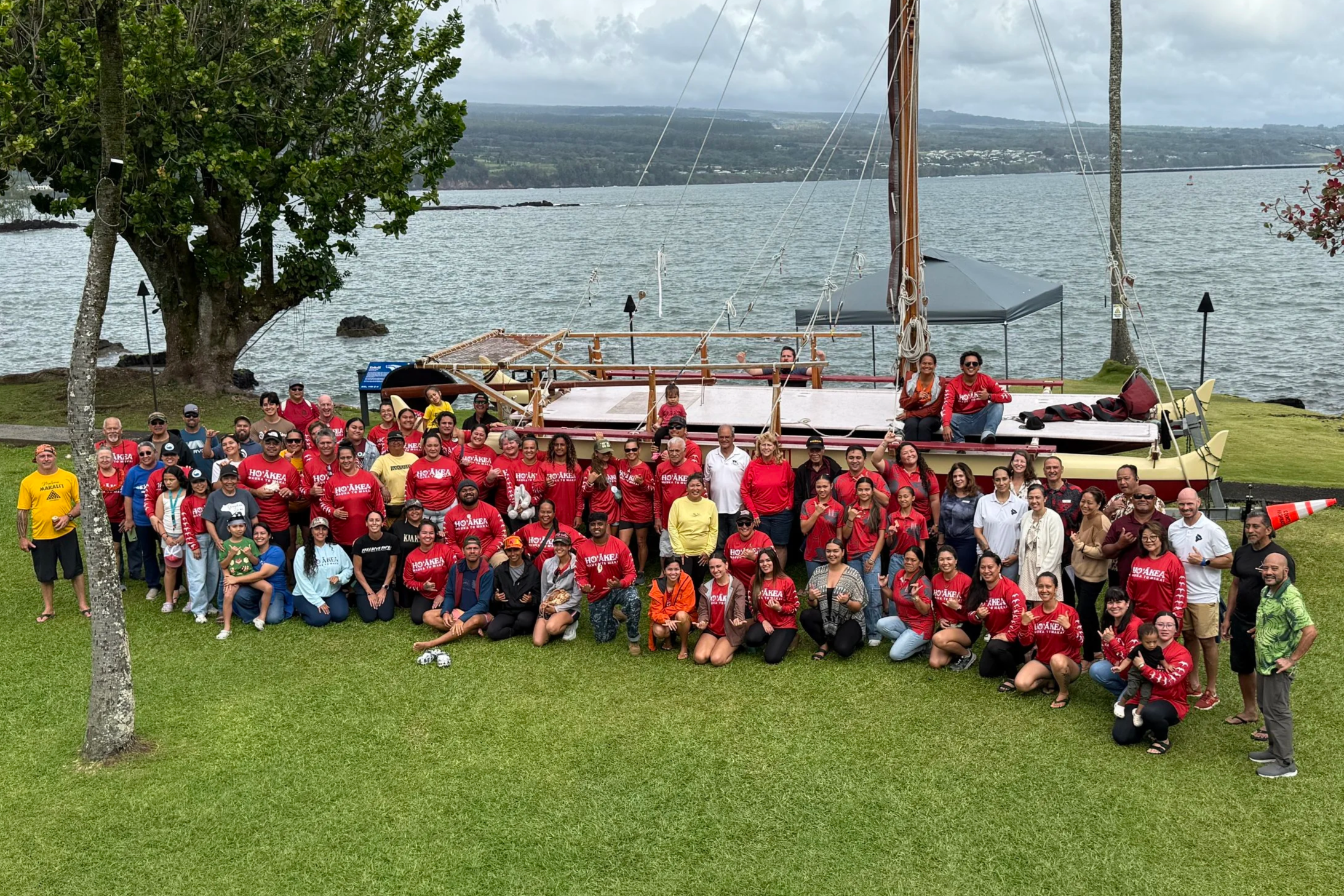
Ho‘ākea: Mauka to Makai, a Hawaiʻi Department of Education initiative launched in 2023, uses ʻāina and waʻa as living classrooms to connect haumāna to culture, community, and environment while building leadership, stewardship, and critical thinking.
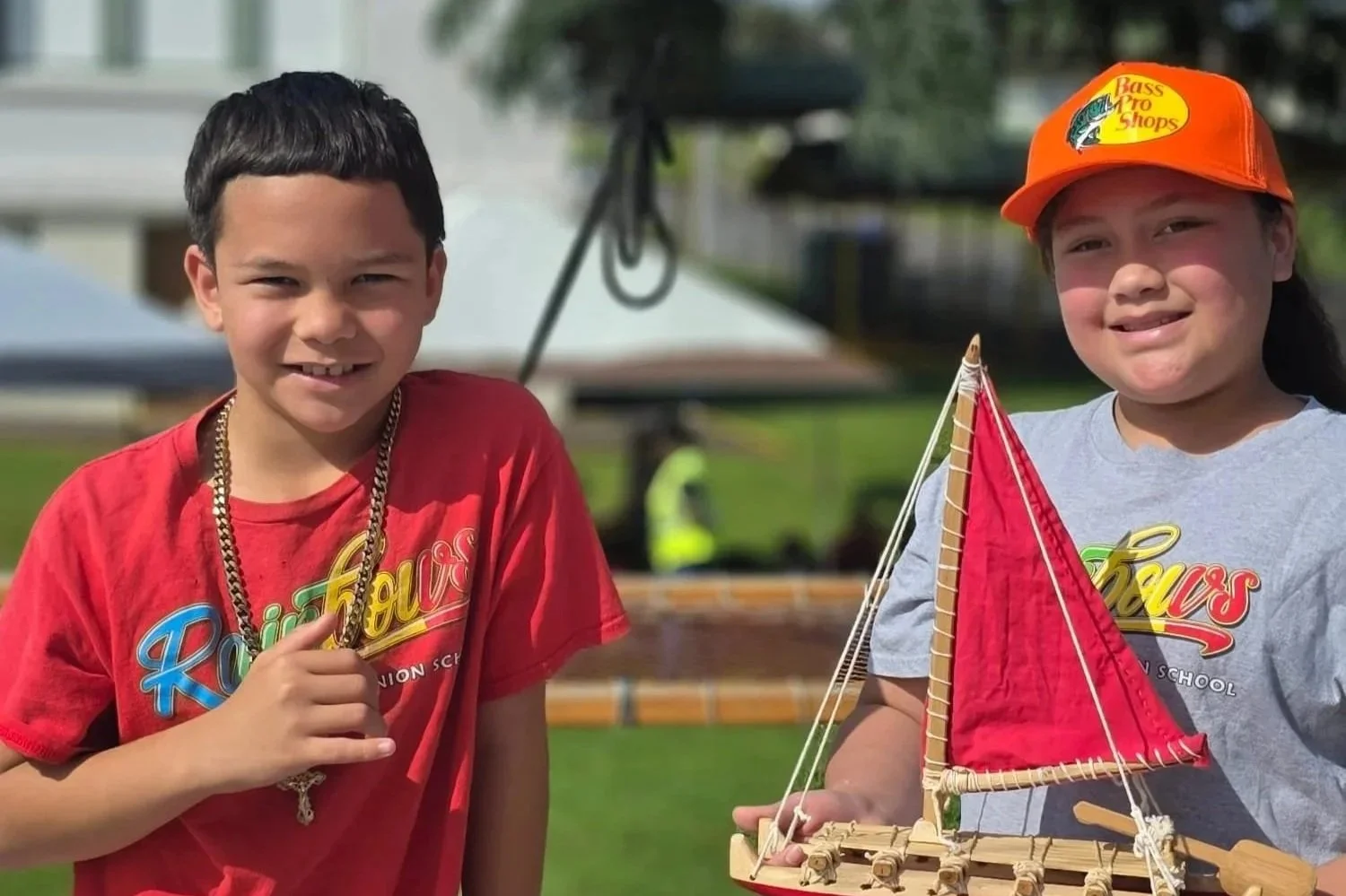
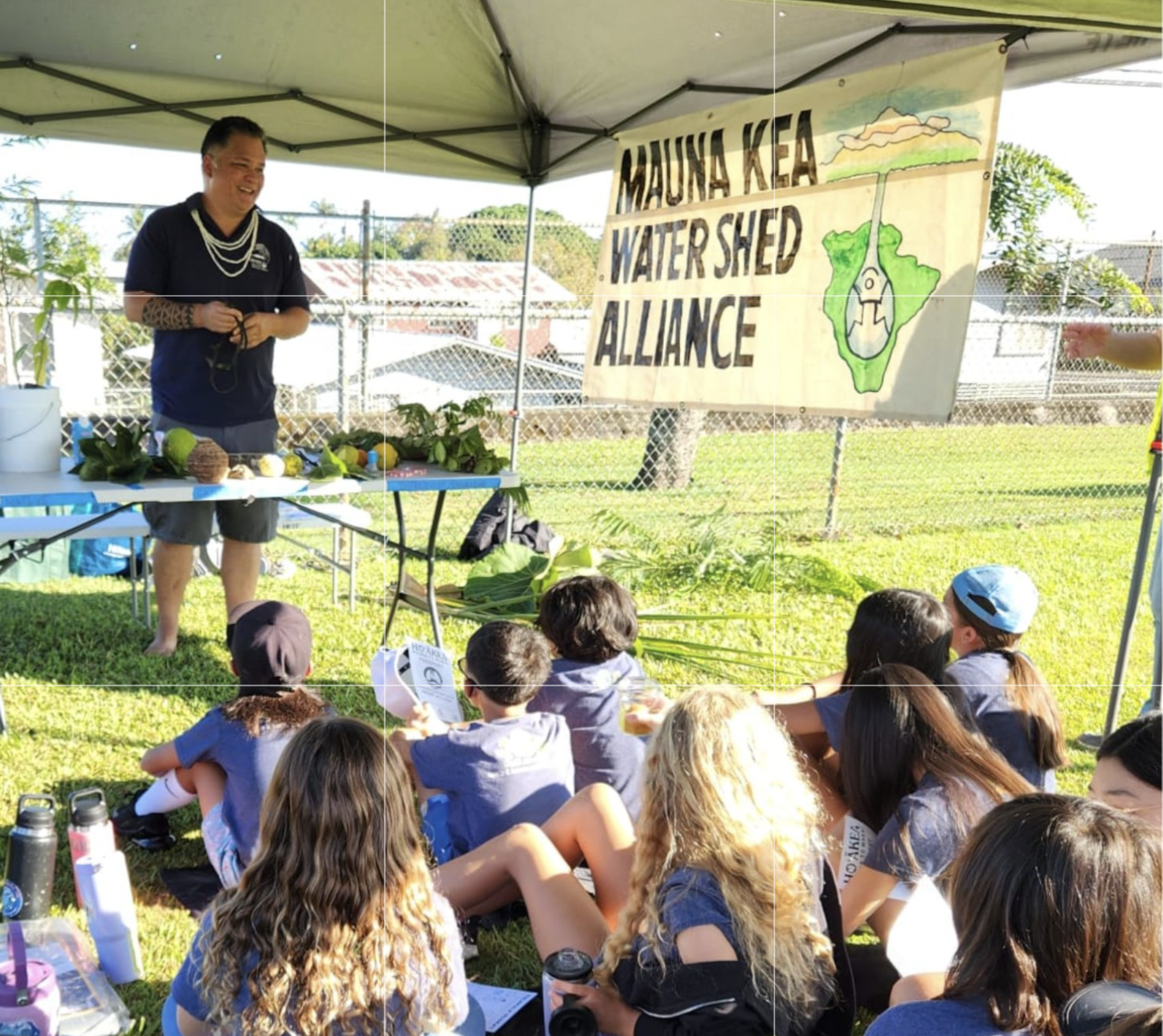
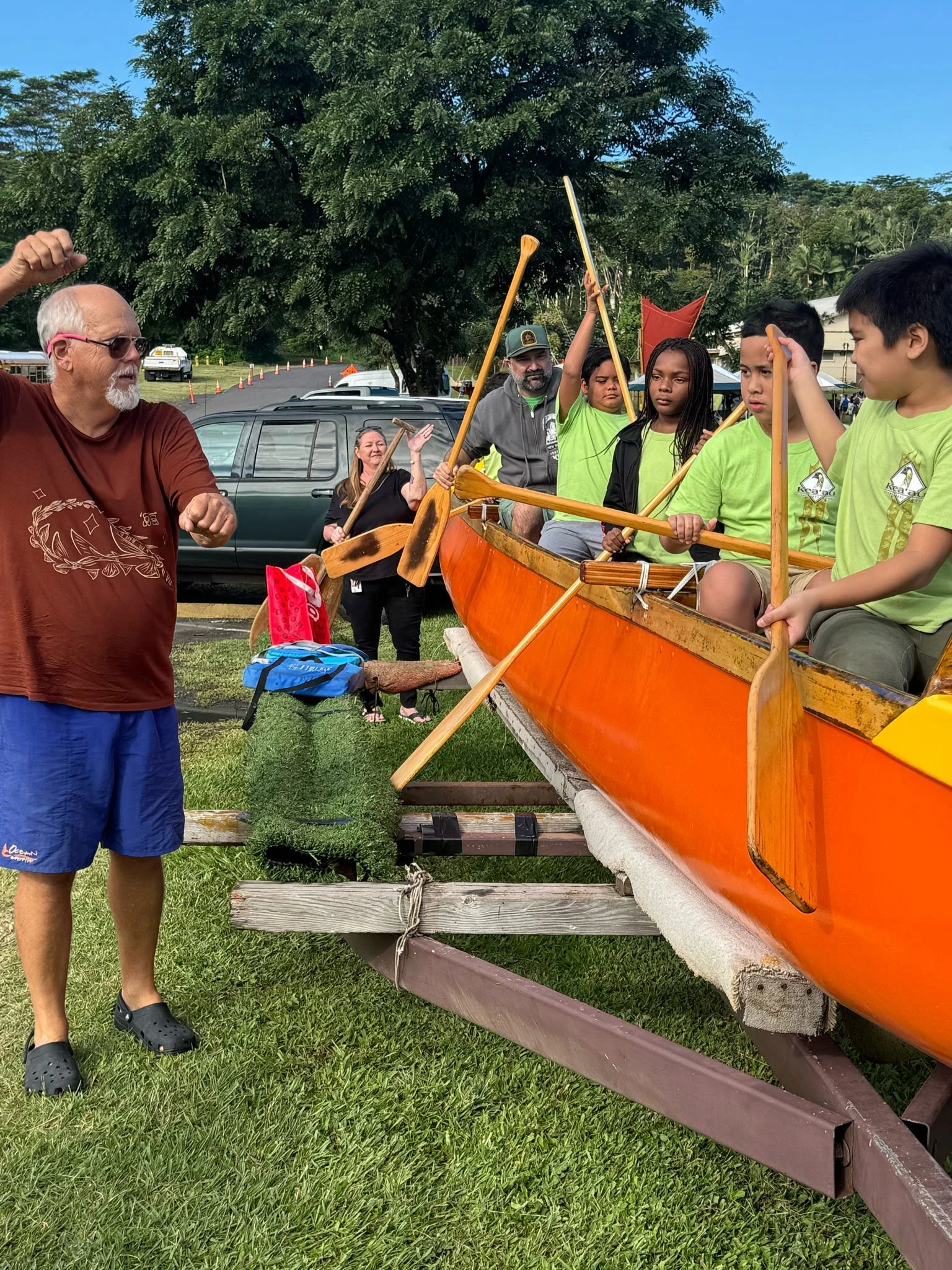
From December 2025 through April 2, 2026, we partnered with HIDOE to deliver nine Ho‘ākea Hō‘onui outreach events across the Kaʻū–Keaʻau–Pāhoa and Hilo–Waiākea complexes, reaching 3,701 students—47.5% of whom identified as Native Hawaiian. Students engaged in hands-on, place-based learning alongside waʻa partners Nakoa Foundation, Kīakahi, and Hui Peʻa o Kaʻū, as well as more than 25 additional community organizations and other waʻa partners.
These efforts culminated in Ho‘ākea Mauka to Makai (March 24–27), held at Mokupāpapa Discovery Center, ʻImiloa Astronomy Center, Richardson Ocean Park (Waiuli), and Reeds Bay. Programming included a dedicated Lā ʻŌlelo for Hawaiian immersion students and a separate Lā ʻOhana, which featured a waʻa-lauleʻa and maritime career expo connecting participants to ocean-based professions.
“I never knew I could learn this way outside the classroom,” shared one student.
“I had a great time and wish I can do it next year," shared another.
Ho‘ākea continues to demonstrate the power of culturally grounded, place-based education—strengthening connections between students, community, and environment.
We thank our host sites — Grand Naniloa Hotel, ʻImiloa Astronomy Center, and Mokupāpapa Discovery Center — Hawaiʻi County, HIDOE, the Waiākea–Hilo and Keaʻau–Kaʻū–Pāhoa Complexes, and our partners for their support, along with Nā ʻŌiwi Kāne for their contribution to Lā ʻOhana.
Mahope O Ke Kula Ke A‘o Mau Ana After-School Program
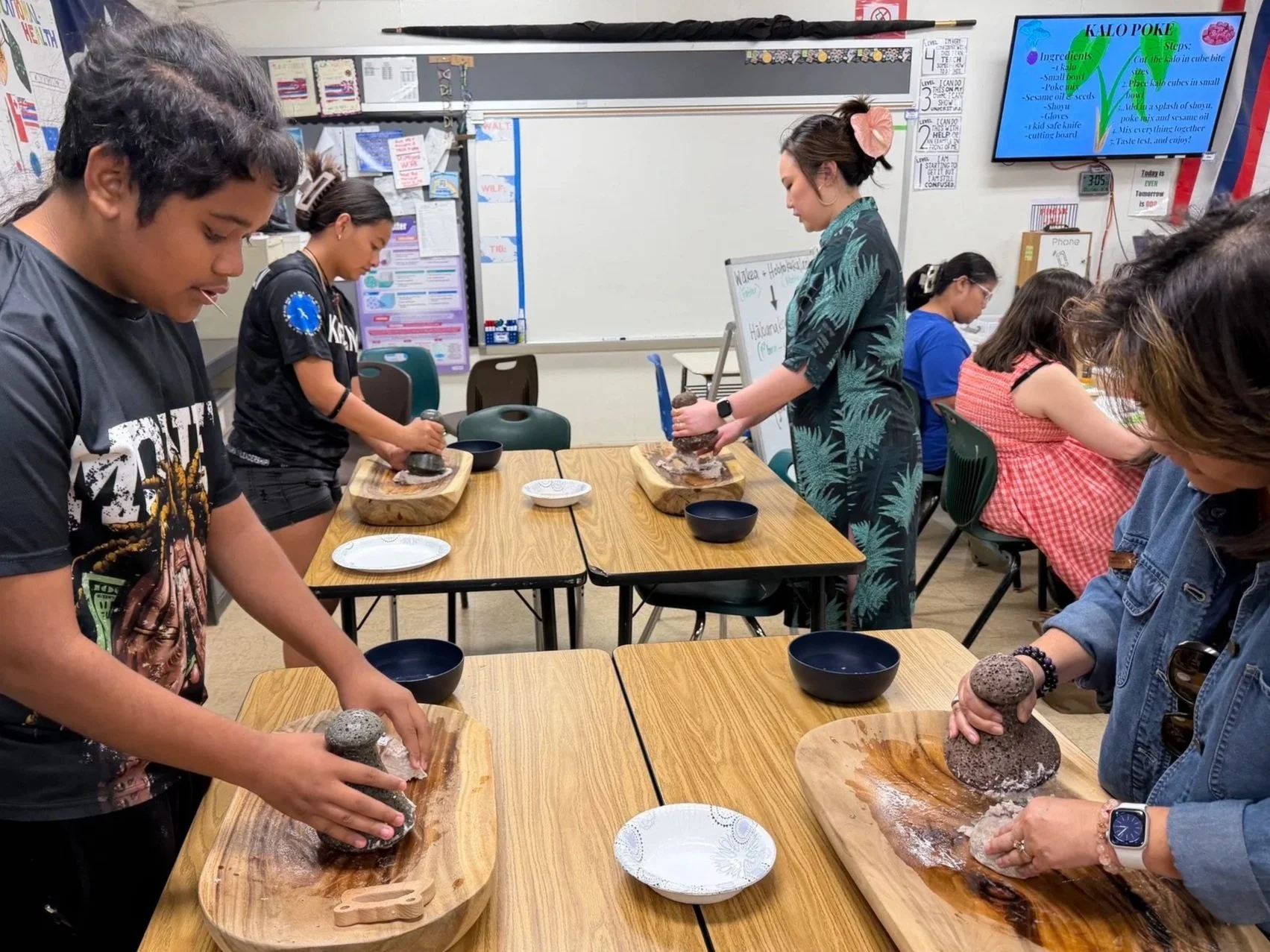
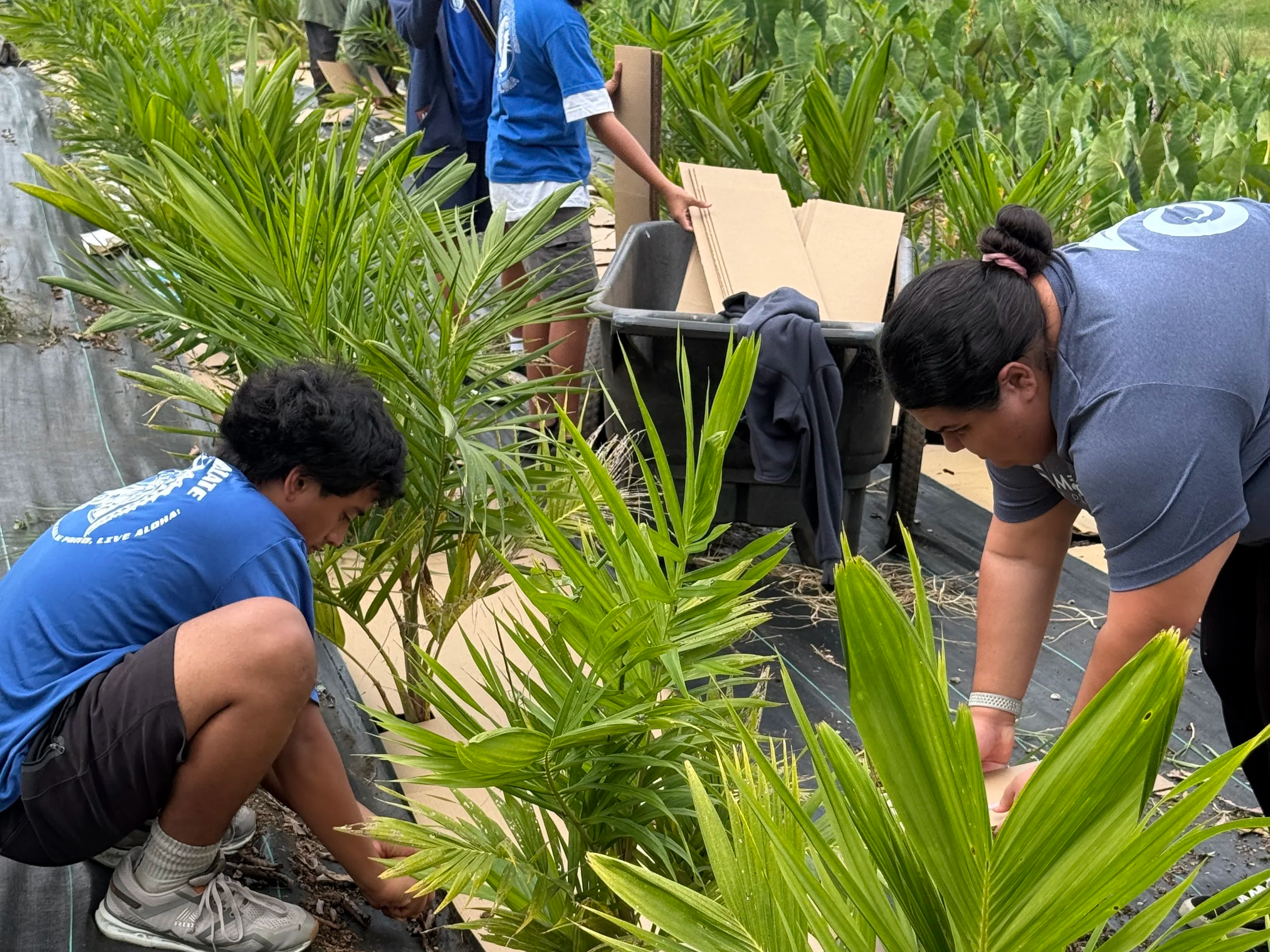
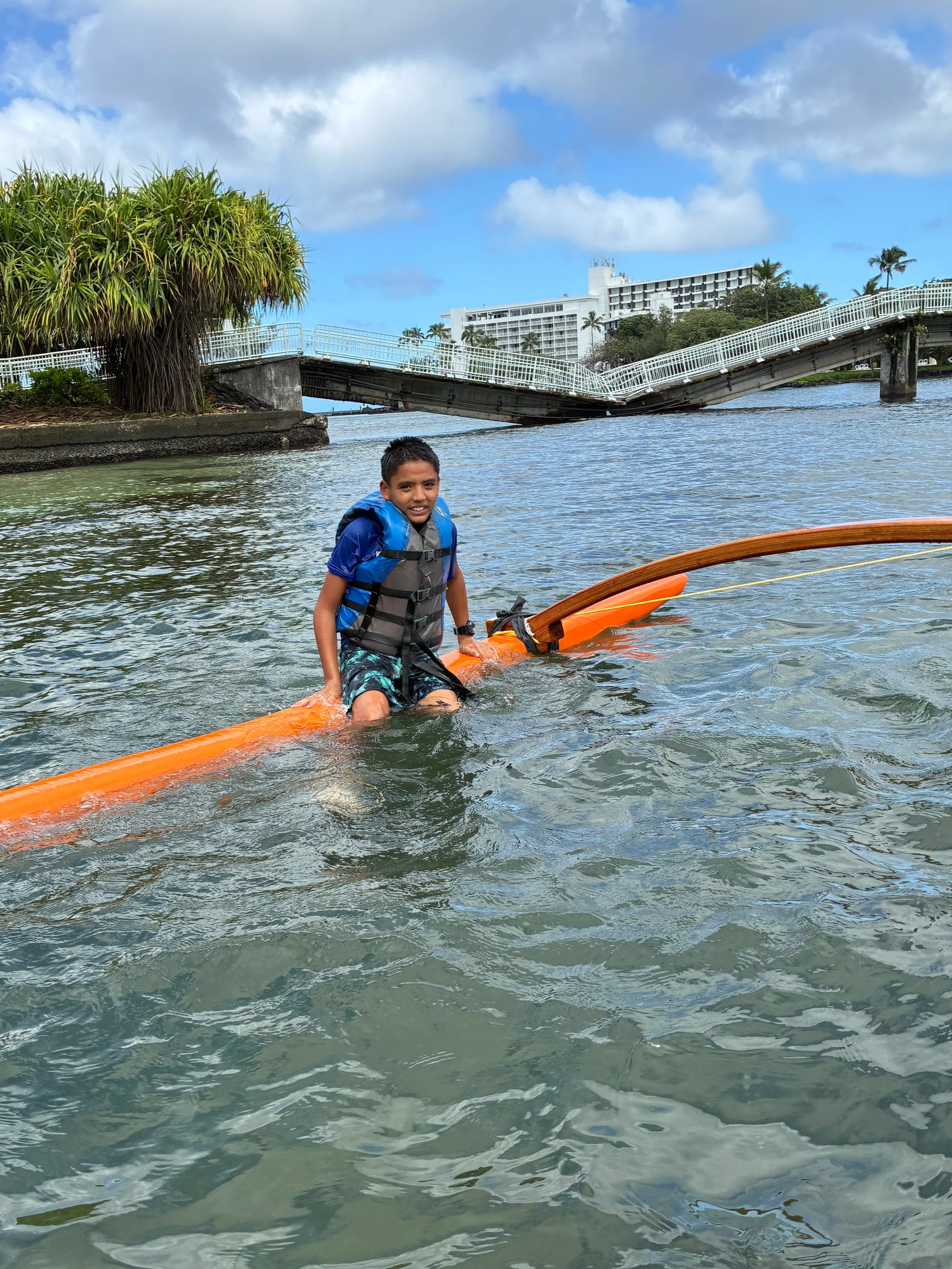
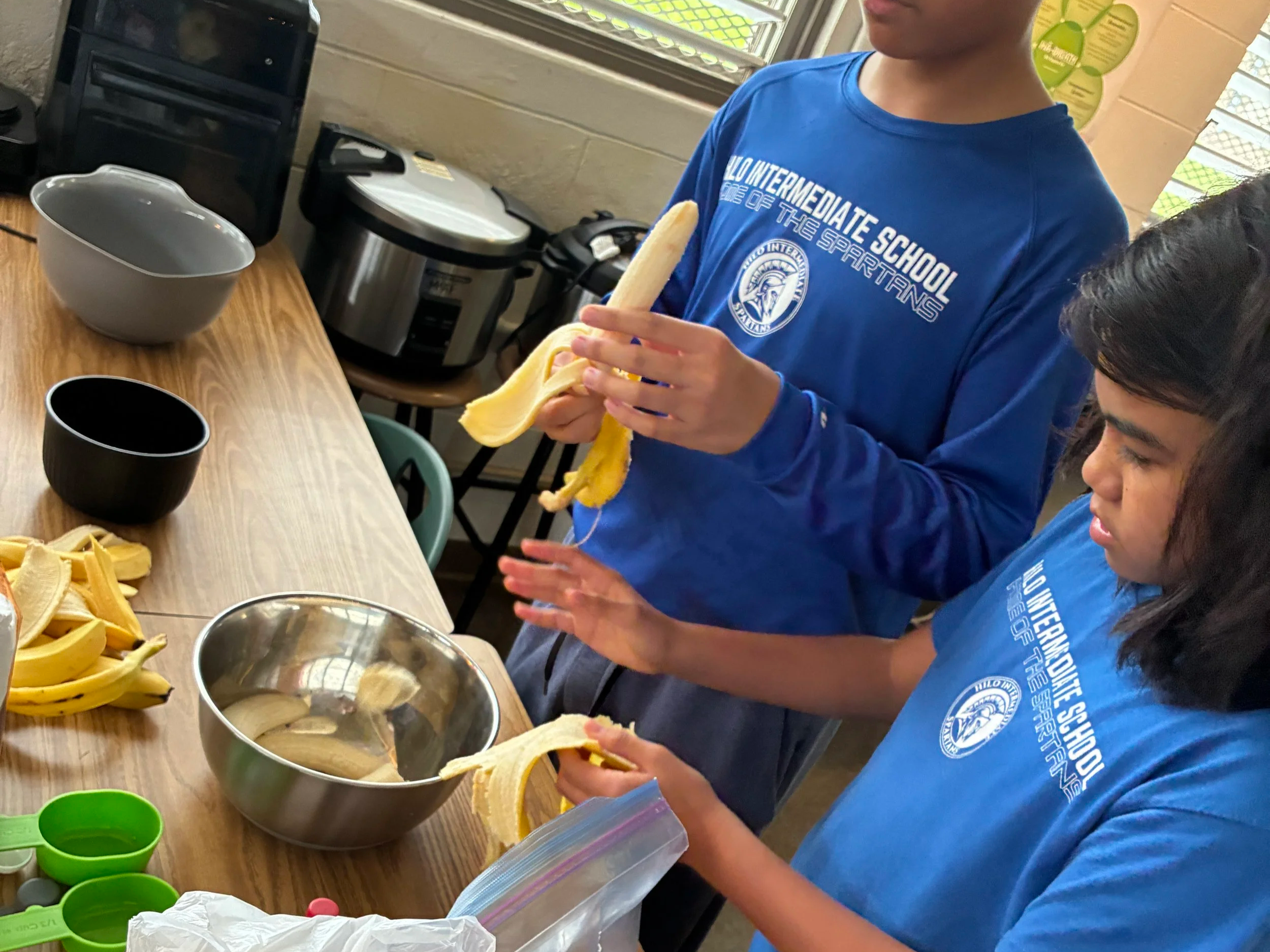
Quarter 3 was an engaging, hands-on season for both haumāna and our Educational Specialists in the Māhope Program. Our focus this past quarter was on kalo and maiʻa.
At Kamaile Academy, haumāna explored the many ways kalo can be prepared and consumed. They were introduced to the kalo curriculum, learning skills such as kuʻi kalo to make paʻiʻai and poi, and creating a Māhope specialty—the well-loved kalo poke. Haumāna quickly gained confidence and proudly shared their knowledge with visiting guests, demonstrating various preparation methods. Guests who visited the classroom left not only having enjoyed the different kalo dishes, but also with a deeper appreciation for the cultural moʻolelo of kalo, expressed through storytelling and art activities such as painting.
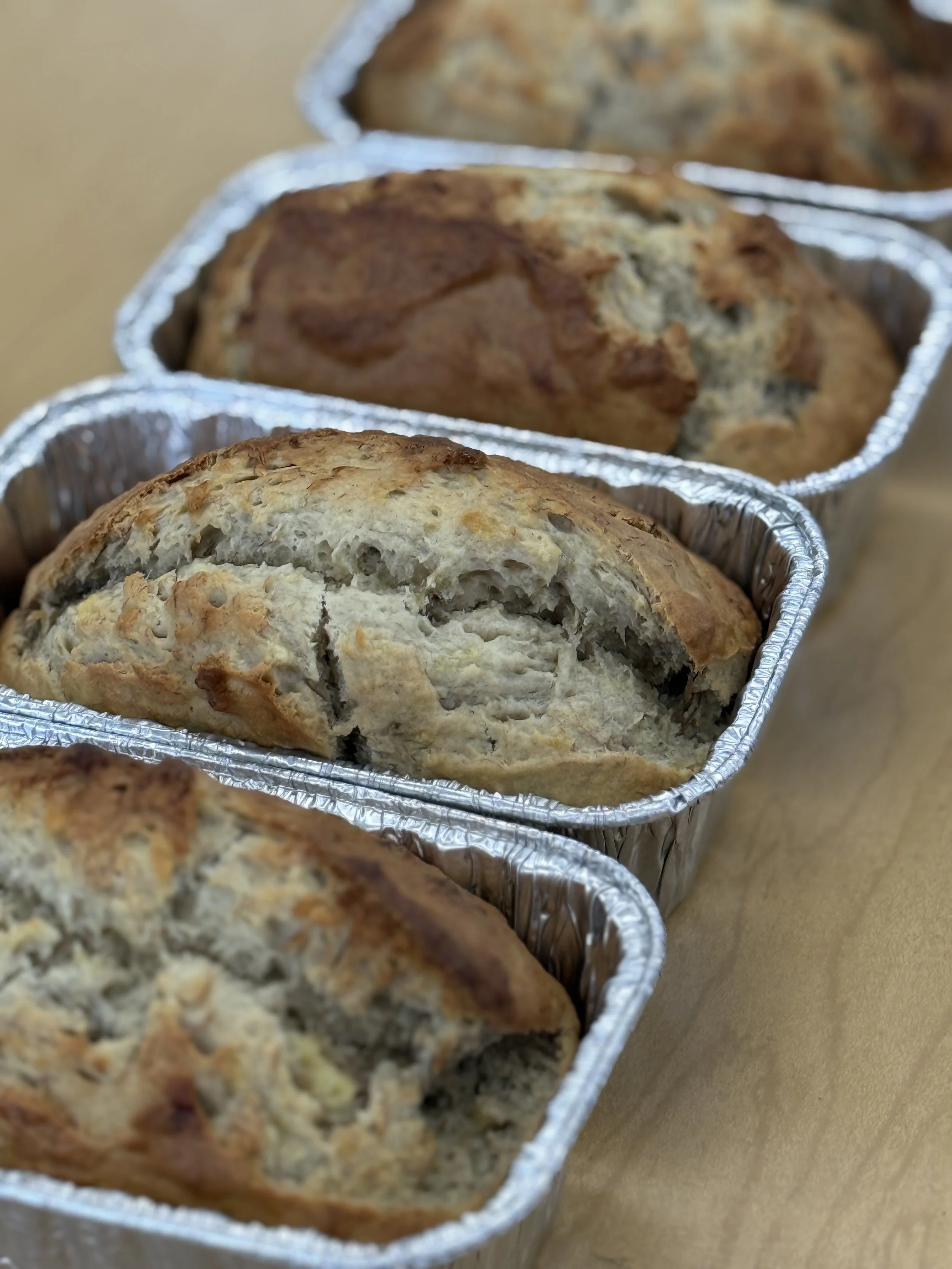
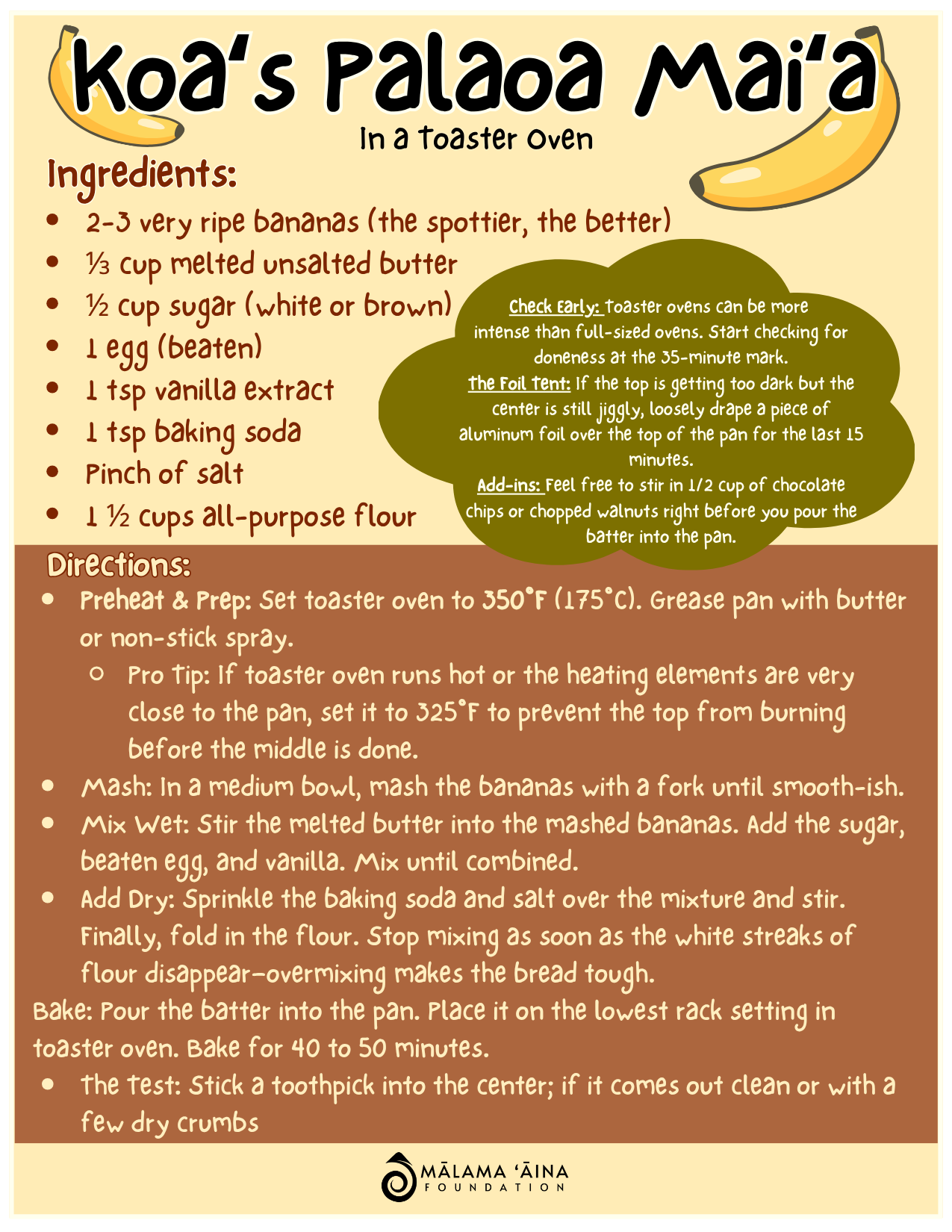
At Hilo Intermediate, students engaged with both kalo and maiʻa through diverse, hands-on learning experiences. They prepared a variety of foods, including toaster oven banana bread, practiced kuʻi kalo, and made banana lumpia. They also planted a māla kalo (kalo garden).
Students had the opportunity to learn from several guest speakers, including educators from ʻImiloa, who introduced traditional wayfinding and navigation practices; Aunty Nani, who shared knowledge about the different districts of Hawaiʻi; and Kapena Kiko, who spoke about his experiences with waʻa kaulua (double-hulled canoe) and waʻa kaukahi (single-hulled canoe).
Learning extended beyond the classroom through visits to OK Farms, where students explored agroforestry practices, as well as multiple opportunities to sail aboard a waʻa with Kapena Kiko. In addition, students initiated sustainability efforts by starting a worm bin and collaborating with Hilo Intermediate science teachers to implement compost buckets across classrooms.
Mahope In-Class Curriculum
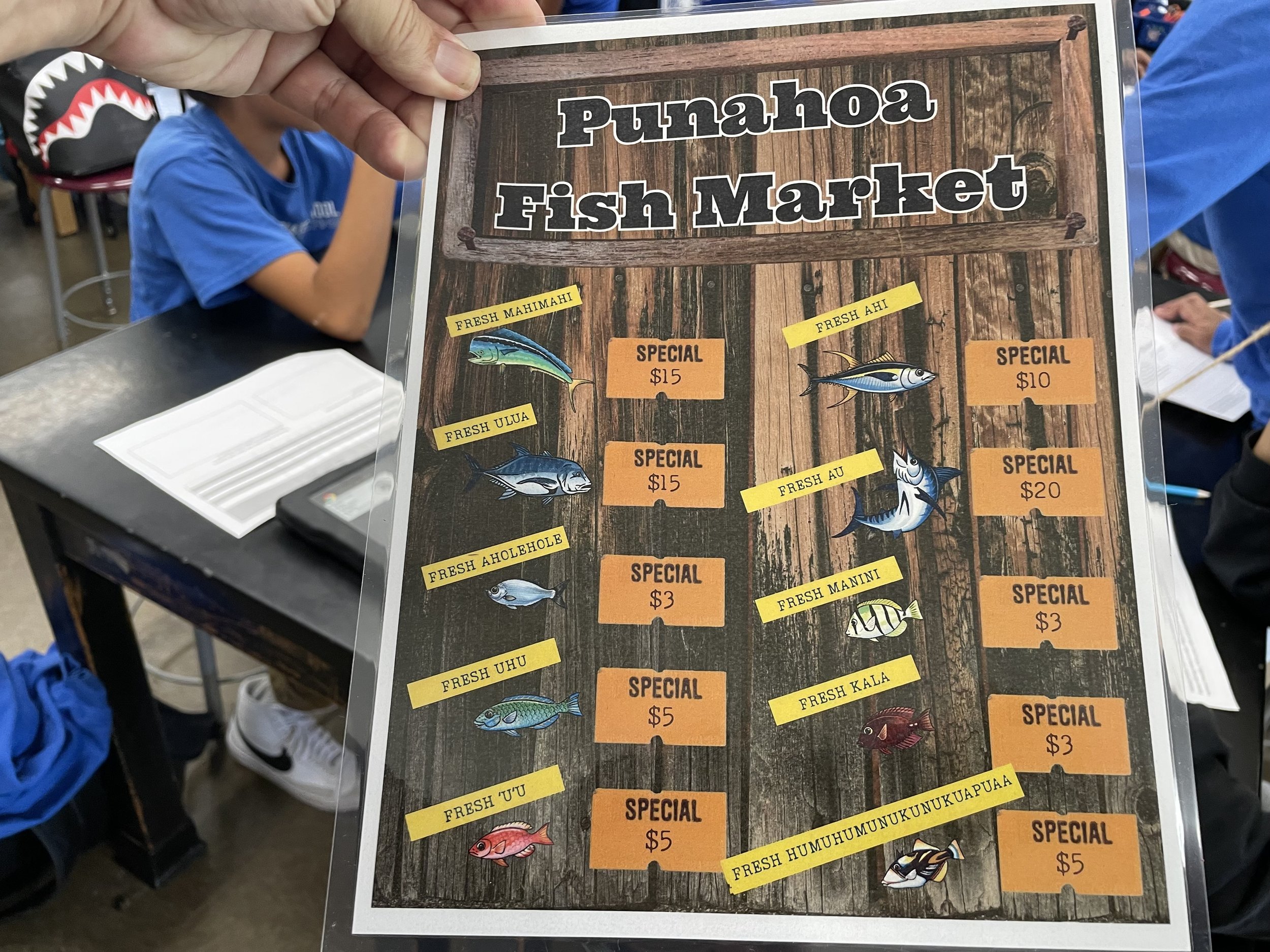
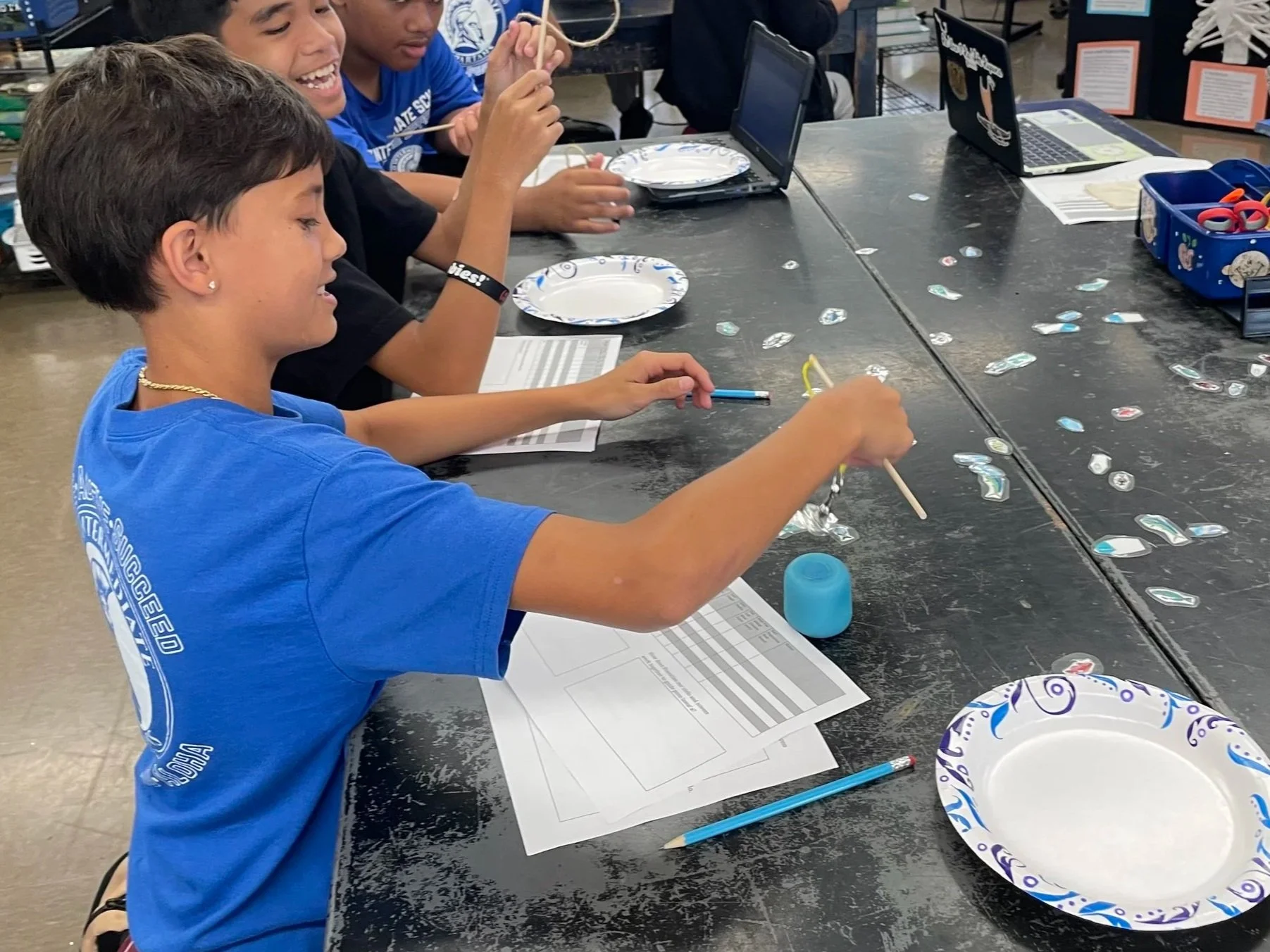
Students engaged in an integrated science unit combiningʻike kupuna and NGSS-aligned instruction focused on ocean sustainability, ecosystem dynamics, engineering design, and biological diversity. The unit began with The Tragedy of the Commons simulation, where students observed how individual fishing decisions in a shared system can lead to overfishing and long-term resource decline, establishing a foundation for conservation of natural resources (MS-ESS3-4). Students then examined pono lawaiʻa through Hawaiian moʻolelo and scientific modeling to evaluate sustainable fishing practices and the long-term effects of fishing pressure on fish populations. They investigated ecosystem changes using data on tides and lunar cycles to understand how physical and biological factors influence marine populations (MS-LS2-4). In engineering tasks, students designed and tested fishing tools based on criteria and constraints, analyzing results to improve solutions collaboratively (MS-ETS1-3). They also studied biological variation and natural selection, focusing on how differences in traits affect survival and reproduction in changing environments (MS-LS4-4). Across all learning experiences, students applied NGSS science practices including modeling, data analysis, and evidence-based argumentation while connecting scientific understanding with cultural stewardship and responsible resource use.
Mālama Mau
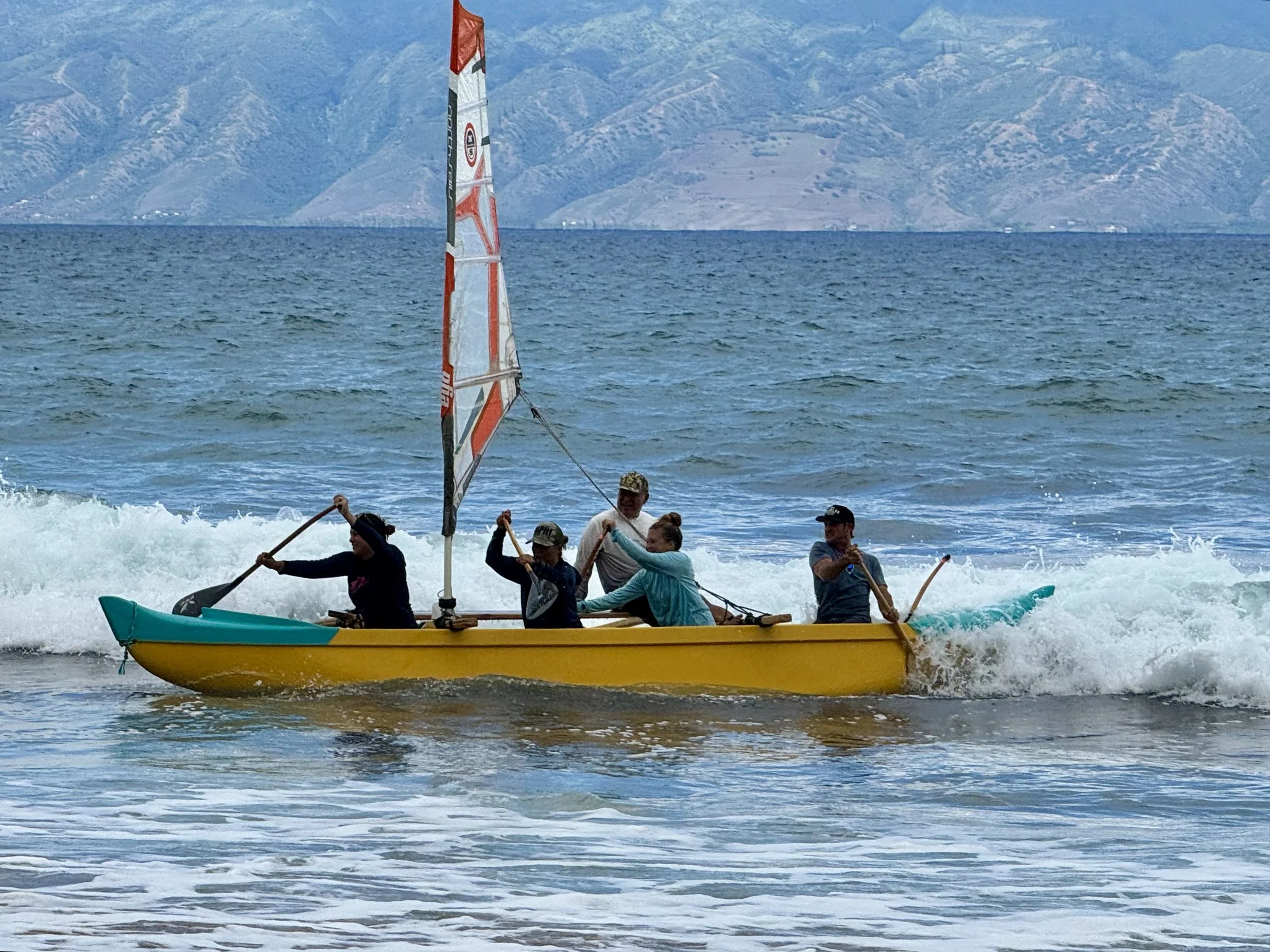
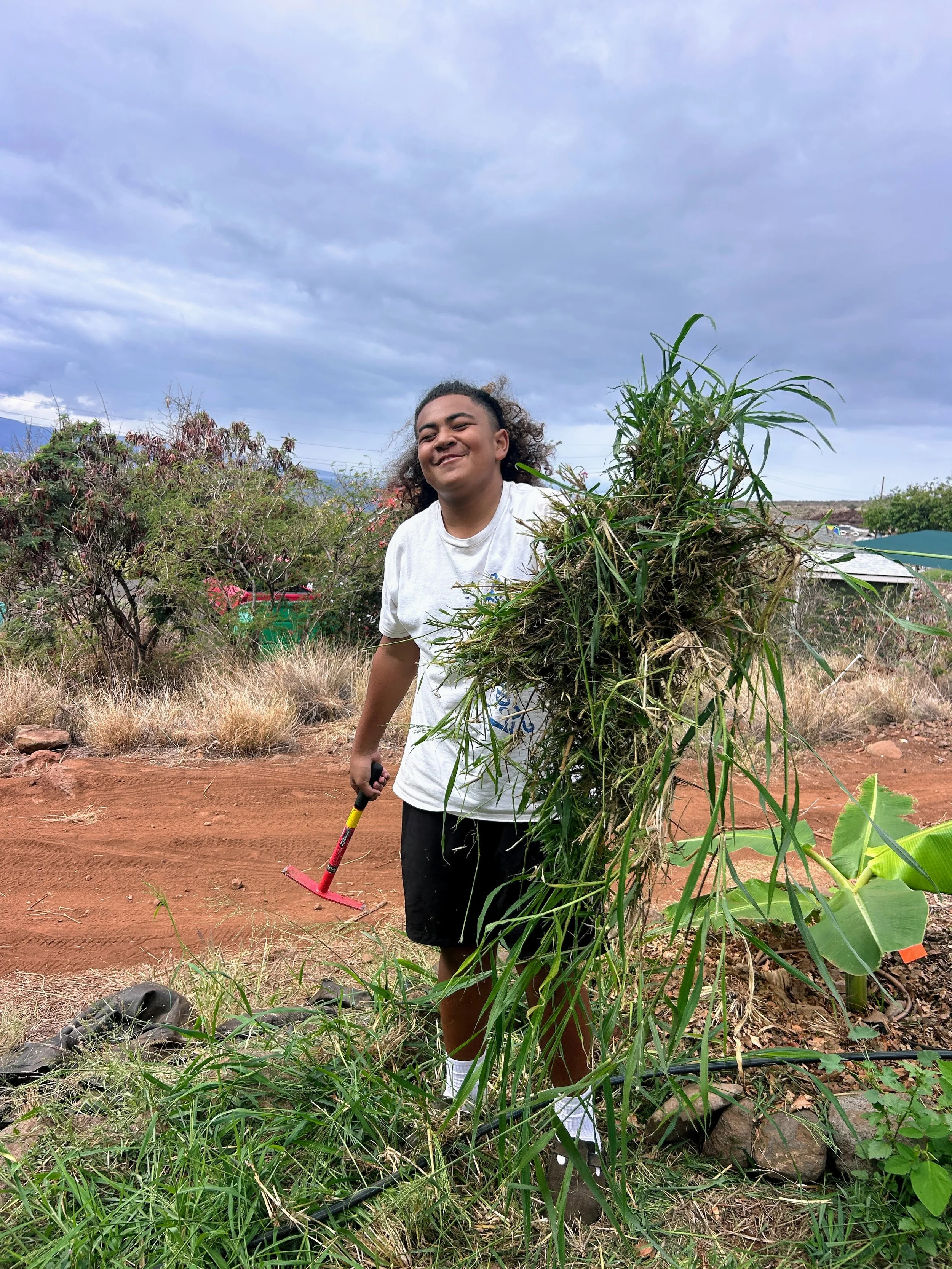
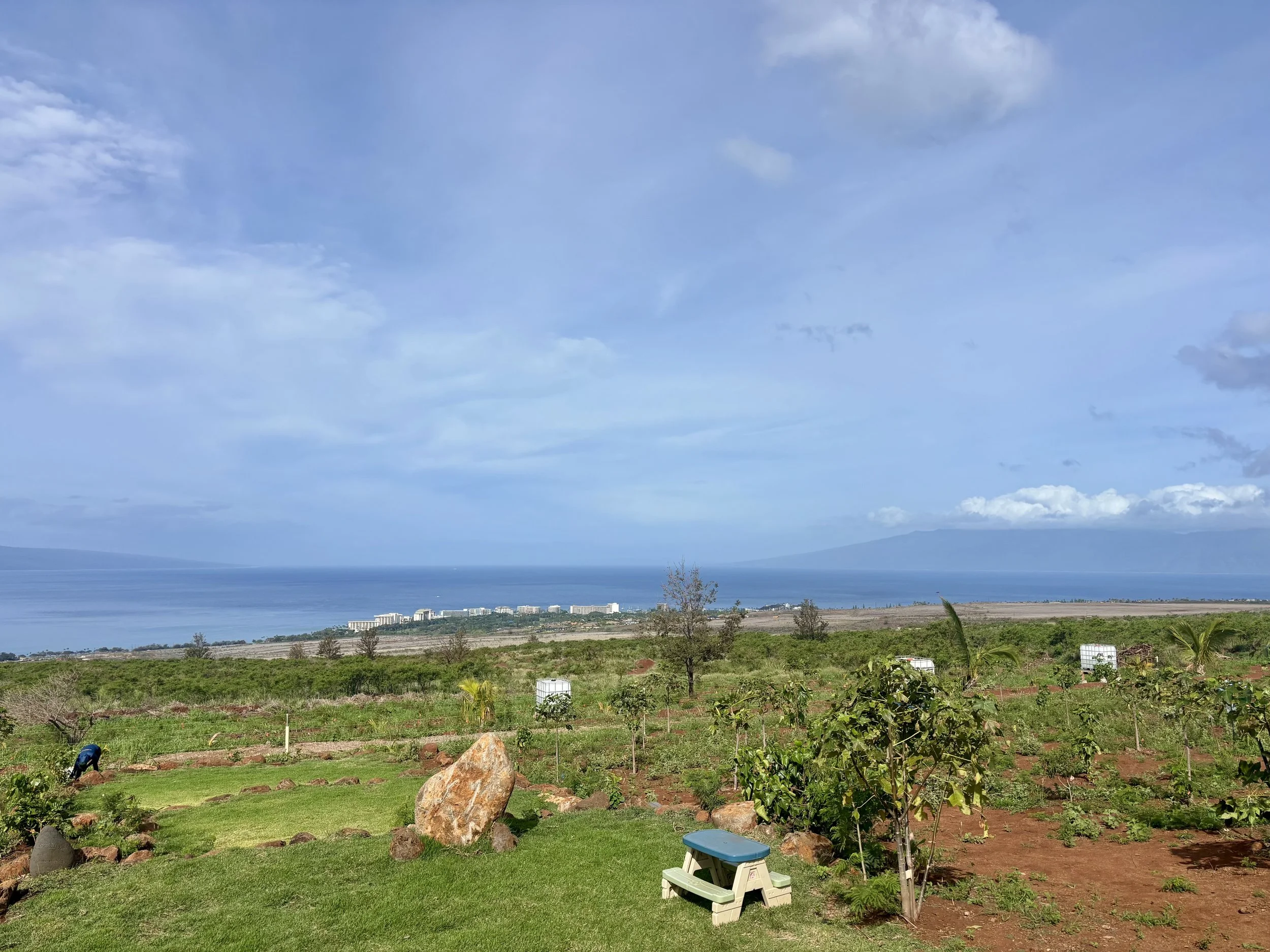
Lāhainā Intermediate School sits within a community that continues to navigate the long-term impacts of the August 2023 wildfires. In the immediate aftermath, school systems across West Maui were disrupted, and educators were faced with the challenge of maintaining learning, stability, and care in the midst of ongoing recovery.
At Lāhainā Intermediate, kumu carried significant responsibility during this time—supporting haumāna while also managing their own lived experiences of loss and adjustment. As recovery efforts evolved, so did the need for sustained, school-based support that could address both instructional continuity and educator well-being.
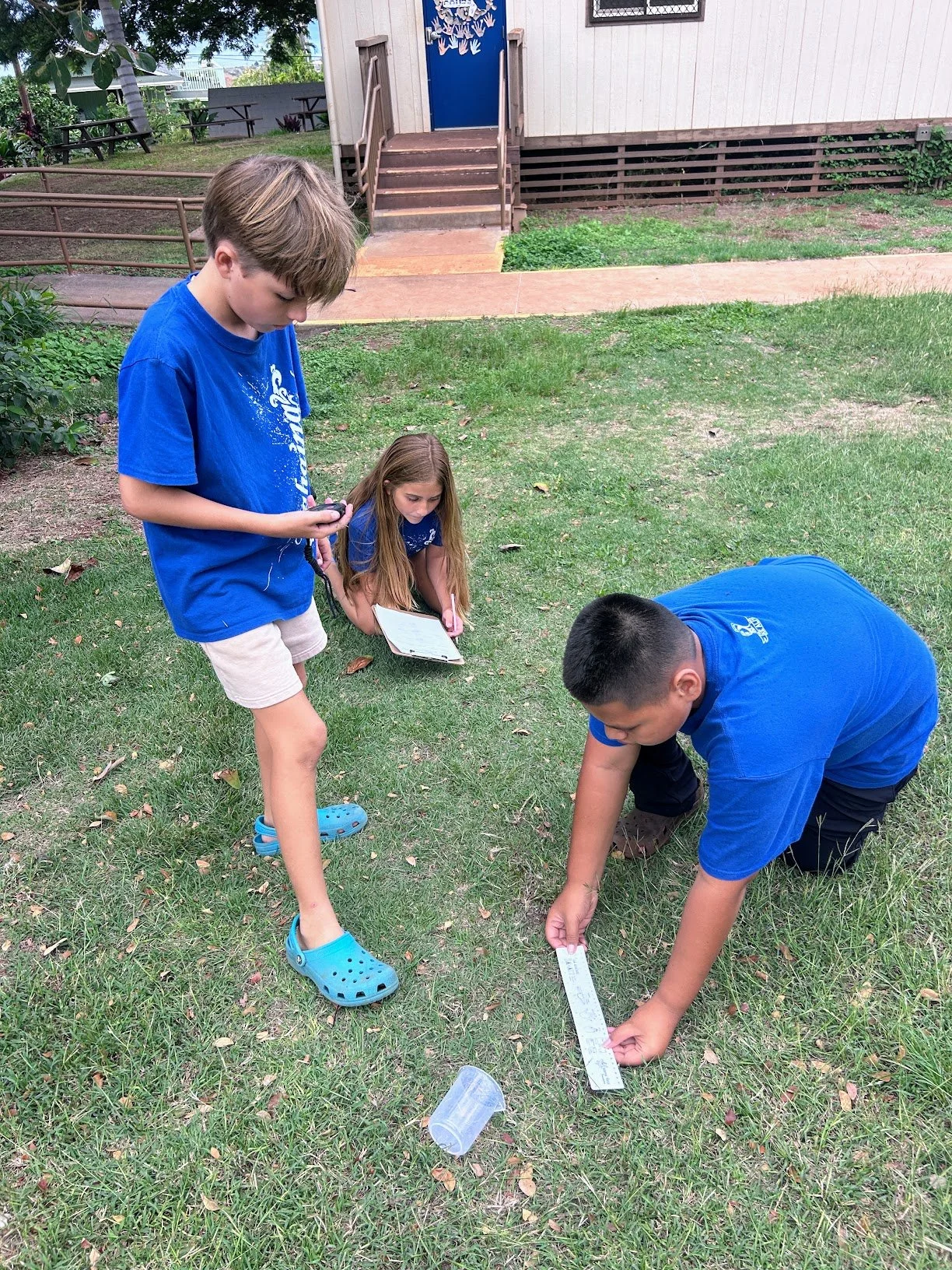
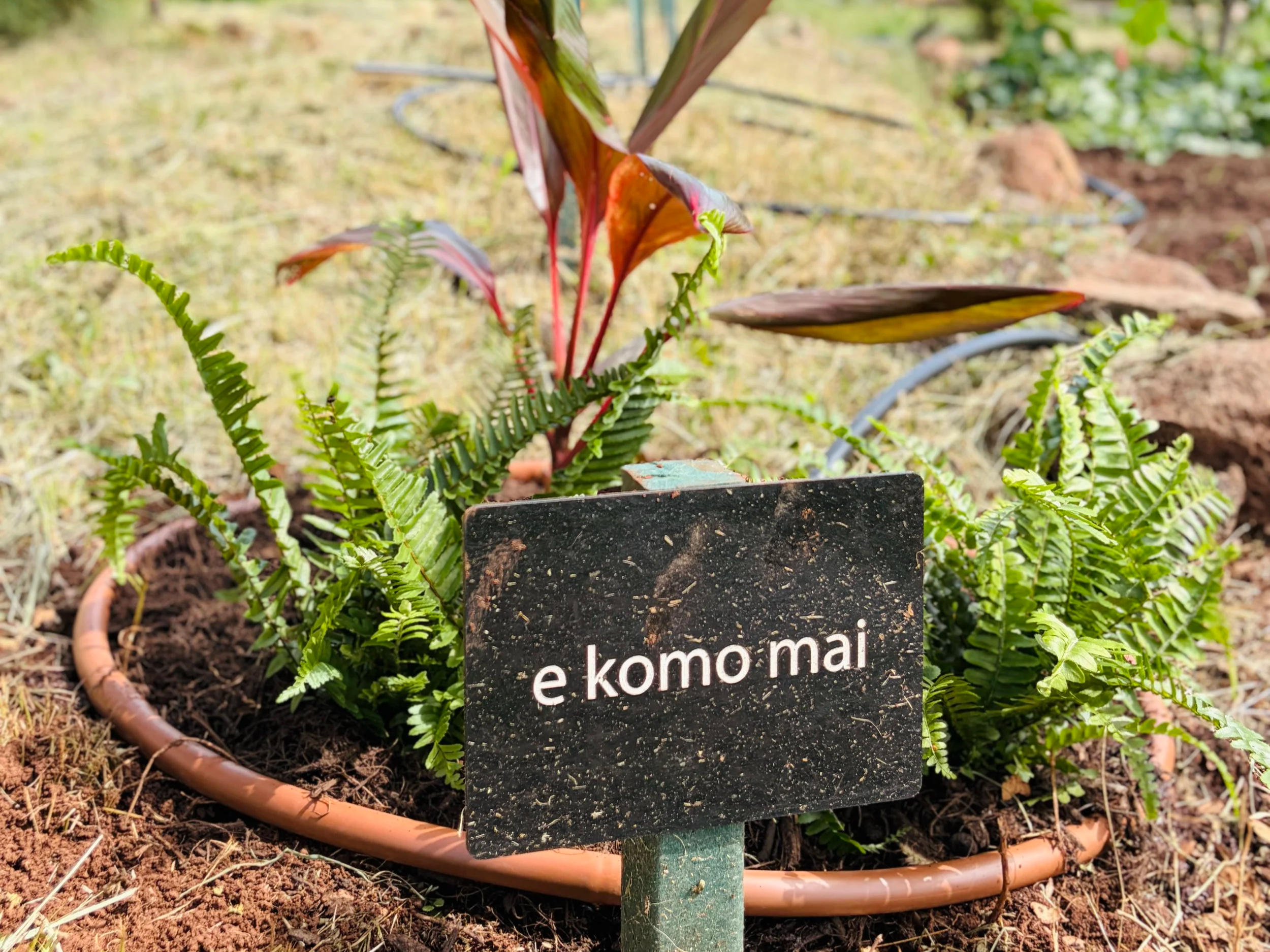
Mālama Mau was developed in response to that need. The program provides structured substitute teacher support to maintain consistent learning environments, creates space for kumu to step back and access recovery support when needed, and integrates ʻāina-based learning within the school’s māla to support grounding, connection, and engagement.
Rather than standing apart from the school’s day-to-day reality, Mālama Mau functions within it—supporting the systems that allow teaching and learning to continue while recognizing that recovery is ongoing.
Ke Kaʻa ʻEnehana
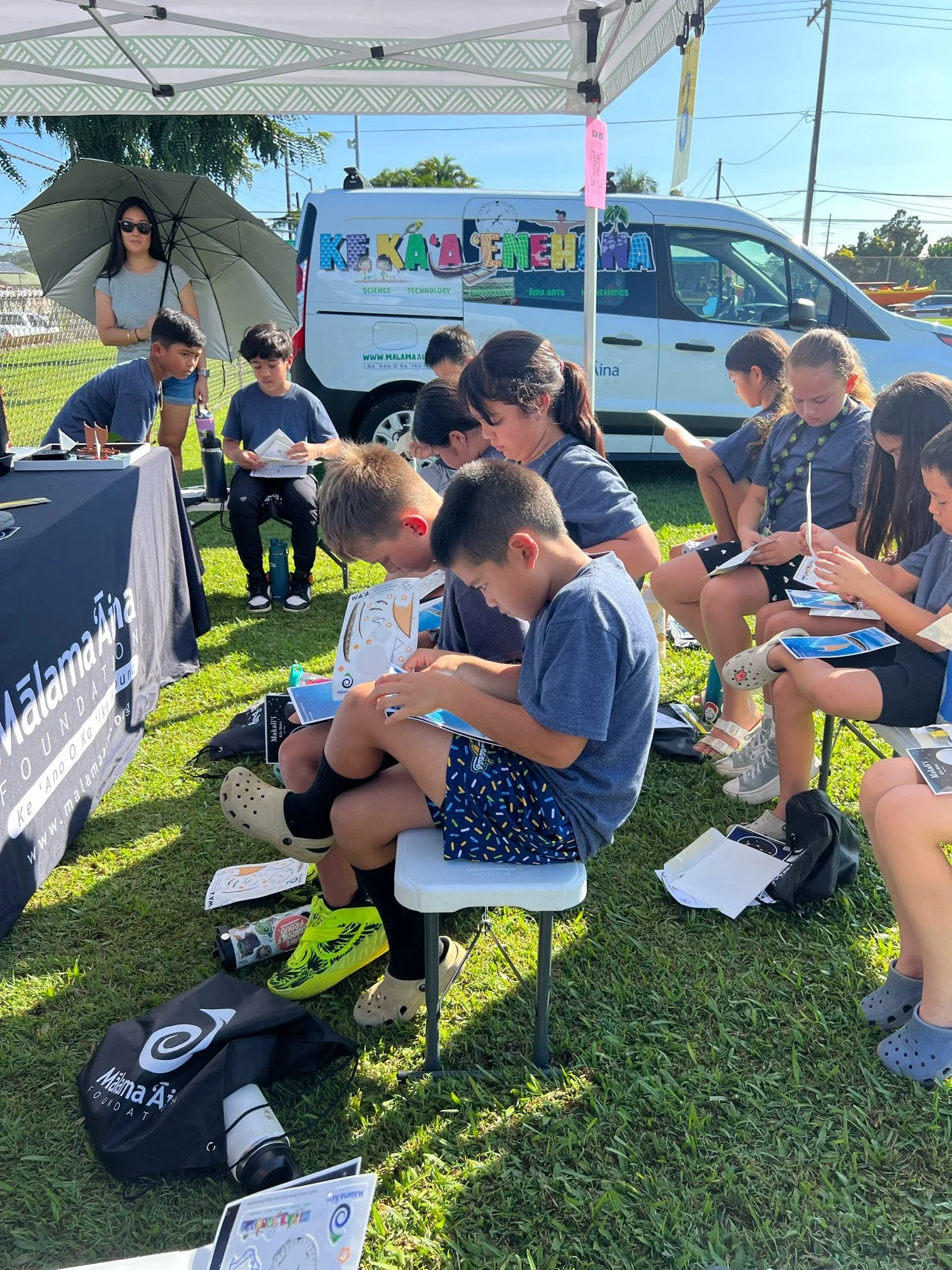
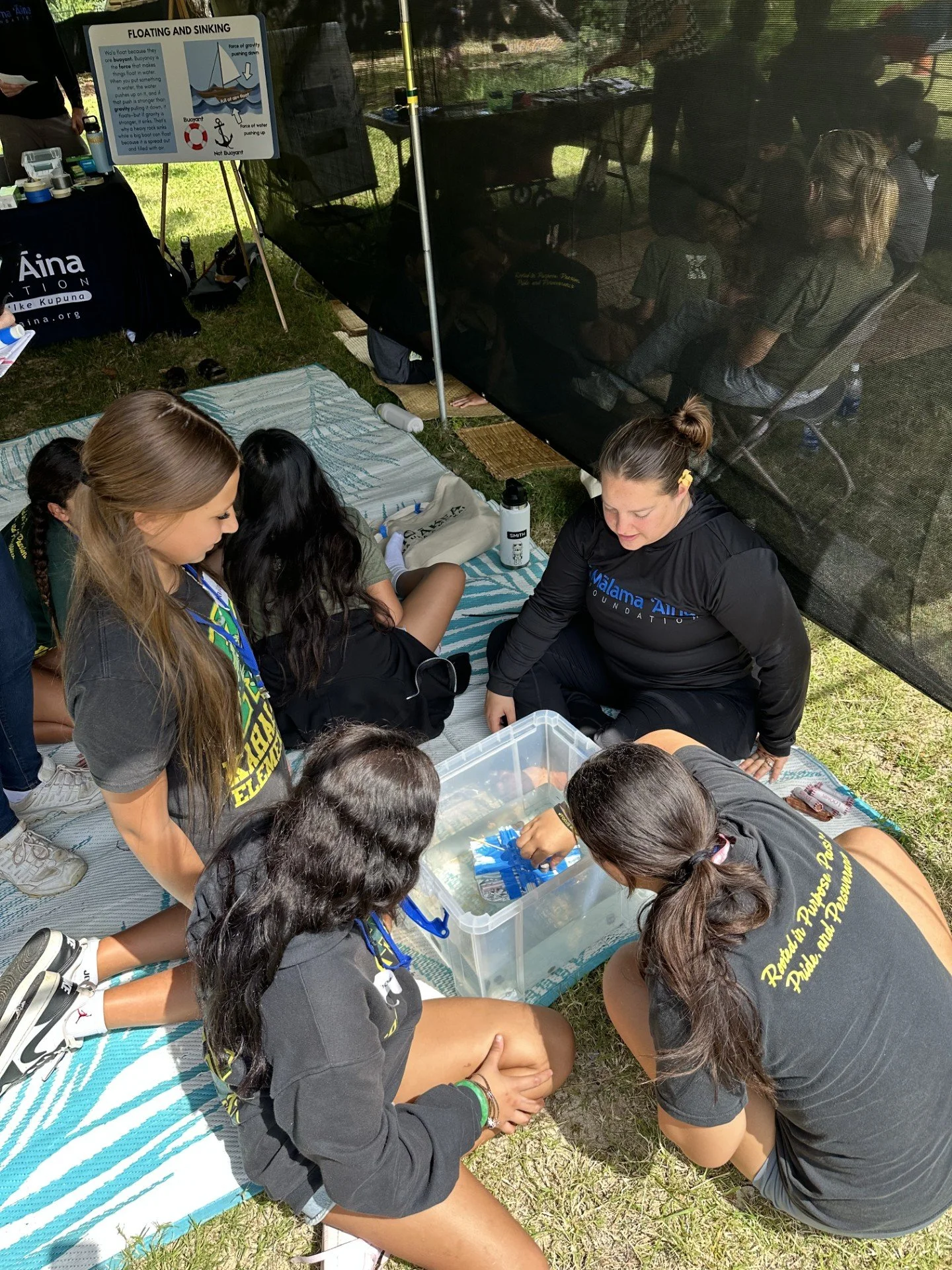
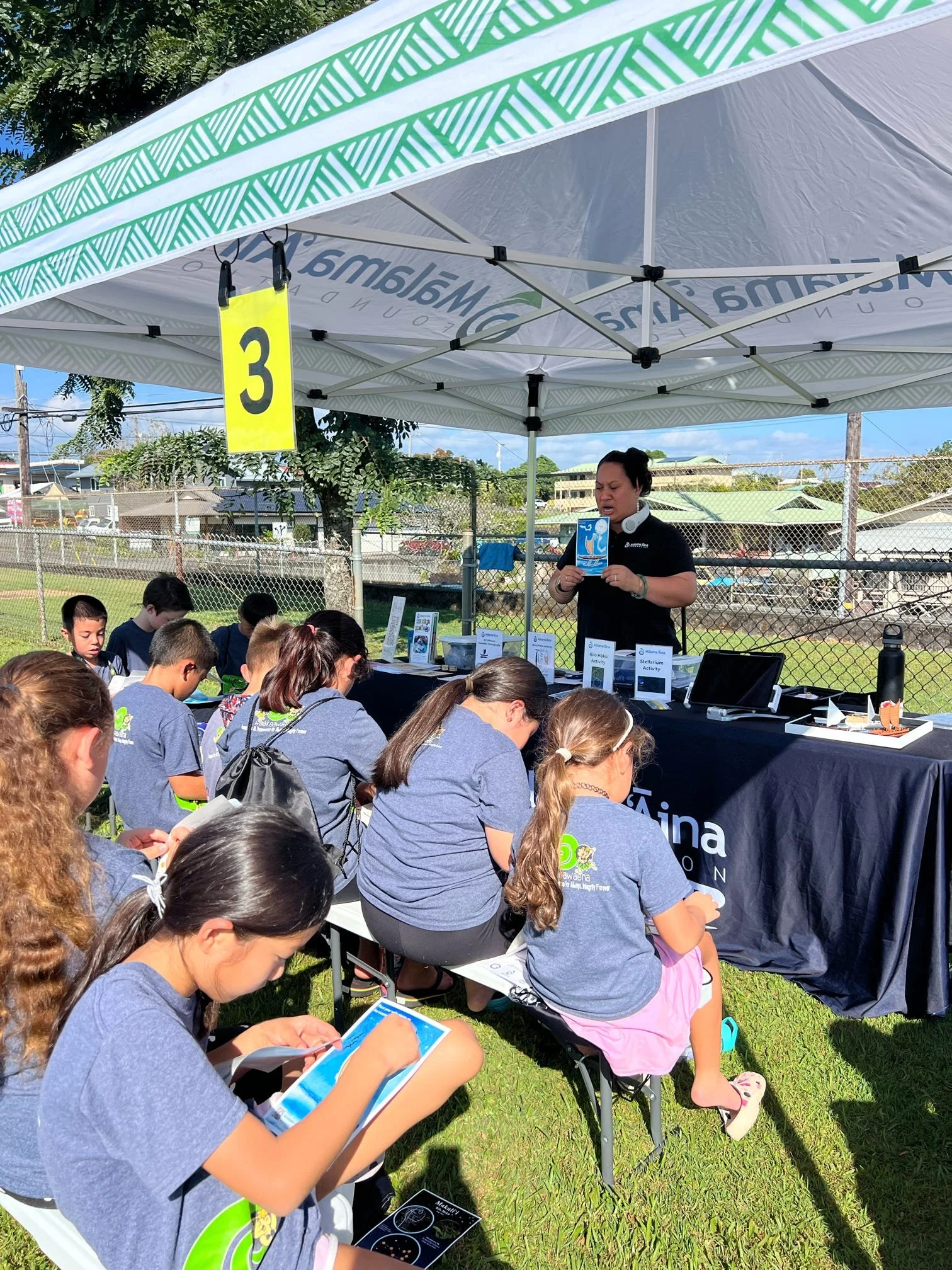
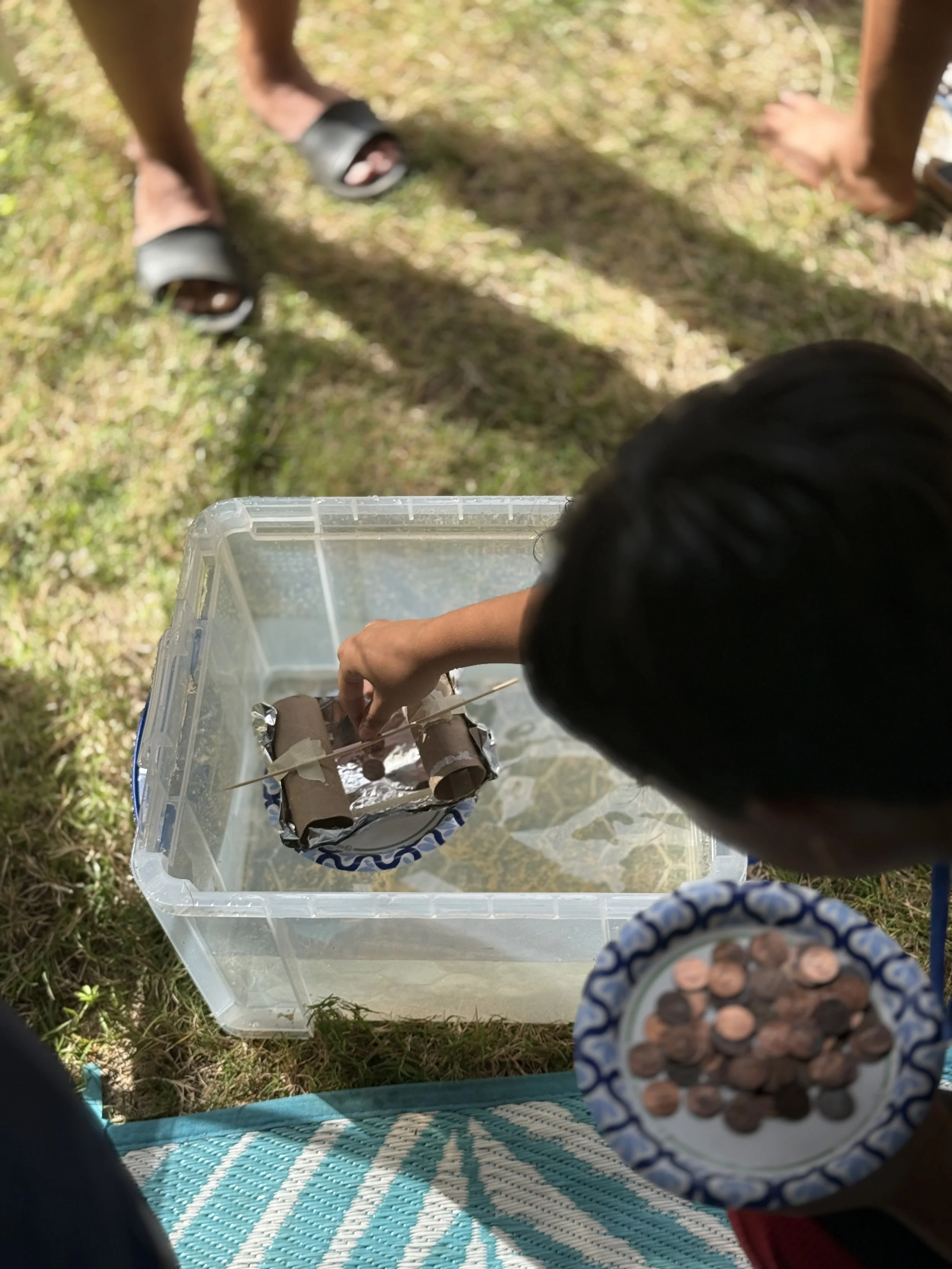
Through Ke Kaʻa ʻEnehana STEAM Mobile Program (KKE)—Mālama ʻĀina Foundation continued to bring ʻike kūpuna and hands-on learning directly into schools and communities across East Hawaiʻi. Fondly described by Kawehi Kammerer, KKE Specialist, as the “Hawaiian Magic School Bus,” the KKE mobile van serves as a traveling classroom, delivering place-based education that blends culture, science, and creativity through experiences such as lei-making, waʻa-based learning, and community engagement.
On March 12, KKE visited Hilo Intermediate School, where intern Kamakanōweo (Nōweo) led a lāʻī lesson rooted in both ʻike Hawaiʻi and scientific concepts. Through the hilo style of lei-making, students explored plant taxonomy, moʻolelo, and cultural protocol. Each student created a lei to express aloha and gratitude to someone who supports them, bringing to life the idea that knowledge and intention are woven together like the fibers of the lei itself. Many students expressed excitement in being able to gift their lei to loved ones, making the experience both meaningful and personal.
This same hands-on, place-based learning approach continued through various community engagements and events throughout the season, including participation in Hoʻākea & Hoʻākea Hoʻonui event, where Ke Kaʻa ʻEnehana participated in broader efforts to connect keiki with waʻa traditions, ʻōlelo Hawaiʻi, and ʻike kūpuna. At each engagement, keiki explored Makaliʻi packets filled with moʻolelo, Hawaiian constellations, and hands-on activities designed to extend learning beyond the event. These resources encouraged continued curiosity at home and in the classroom, strengthening the bridge between cultural knowledge and everyday learning.
Ke Kaʻa ʻEnehana continues to move with keiki, classrooms, and communities across Hawaiʻi Island, bringing learning experiences rooted in ʻike kūpuna into everyday spaces.
Kahikina Learning Center
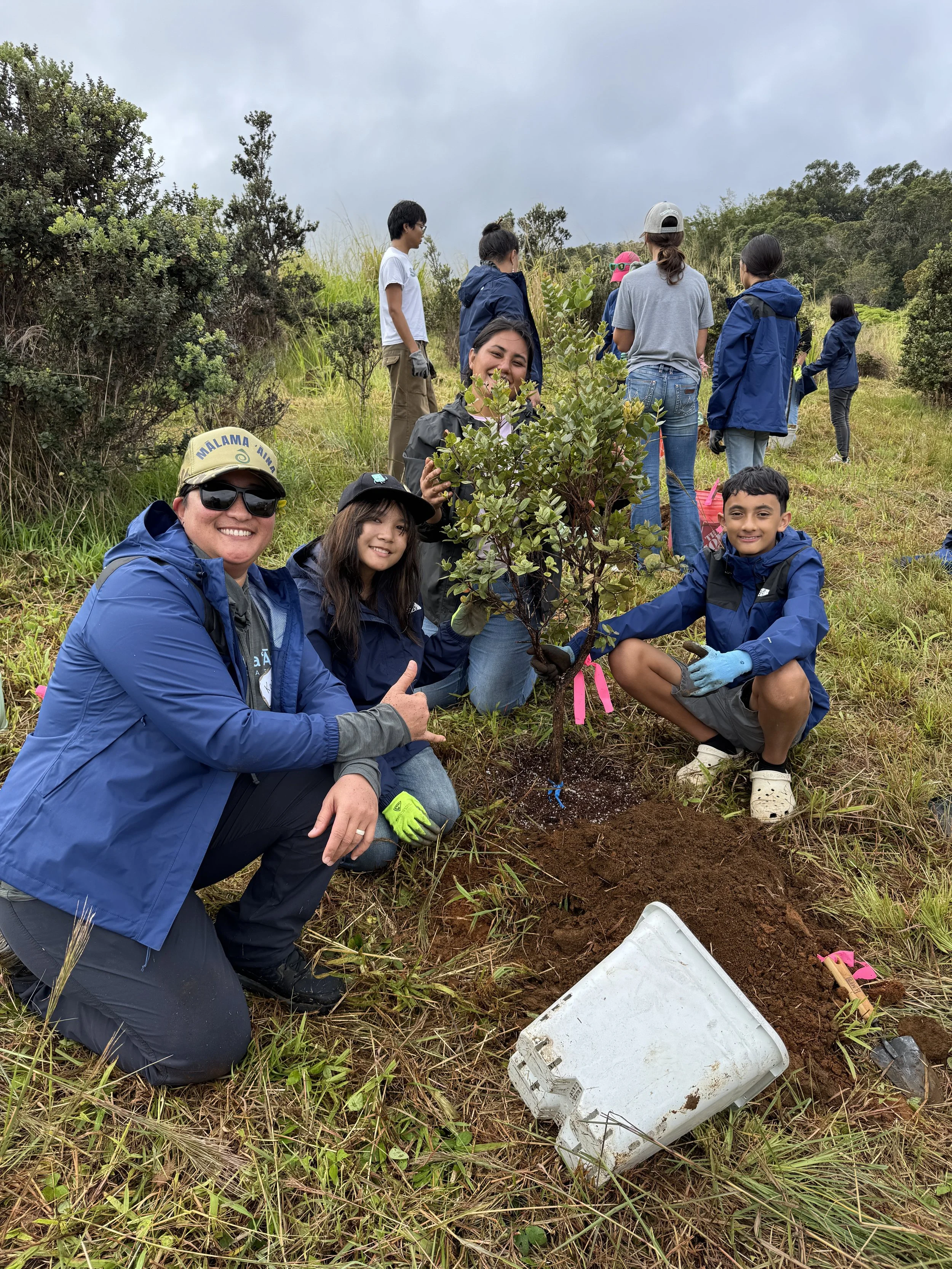
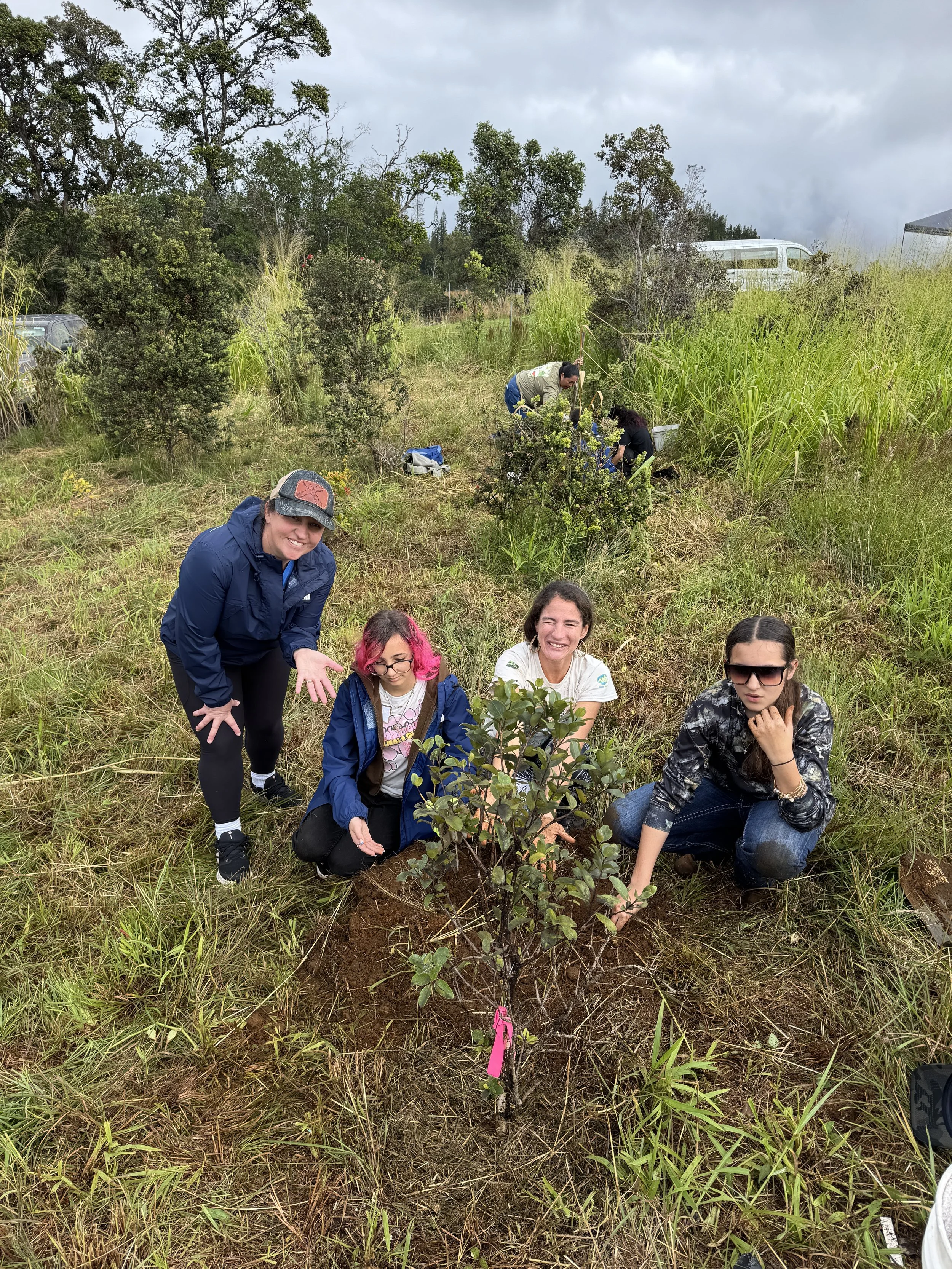
In partnership with ʻAkaka Foundation- Pilina ʻĀina, the Forest Service - Institute of Pacific Island Forestry, and Malāma ʻĀina Foundation we hosted twelve 6-8th graders and their Kumu from Paʻauilo School at Kahikina Learning Center. Together we were able to make history as being the first group to plant Rapid ʻŌhiʻa Death resistant ʻōhiʻa trees in the māla known as Kupuaʻe. Along with planting these five trees the students learned the phenology and life cycles of the ʻōhiʻa through kilo, identification cards, hula, and hana noʻeau.
Testimonies:
"I just want to say mahalo again. Being there has inspired me to return to school to get my masterʻs in Natural Resource Management. Forever grateful for the experience." Kumu DeRego
"It was so sigma to plant immune-to-R.O.D. Ohia." - Paauilo haumāna
Celebrating Our Peer Mentor Graduates
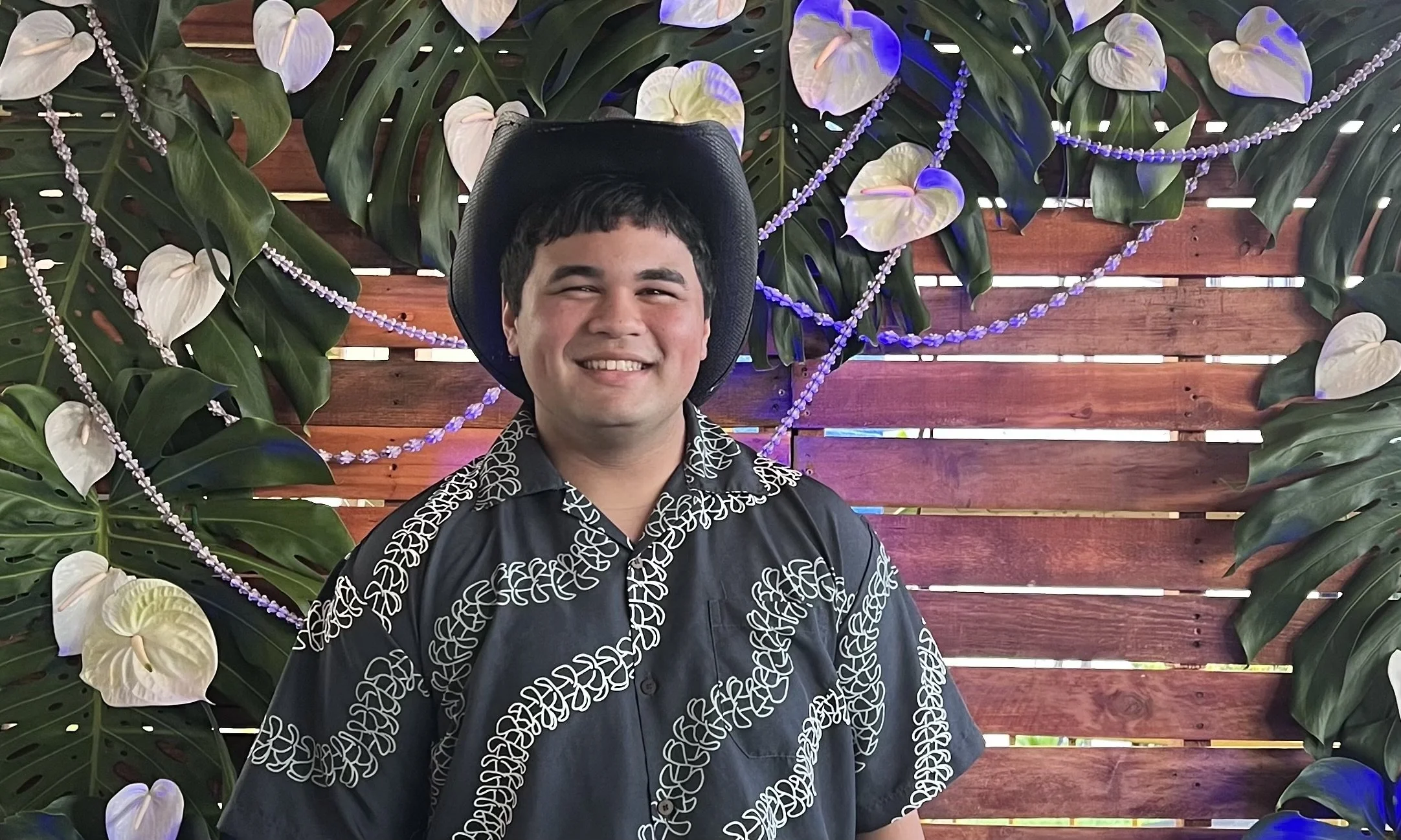
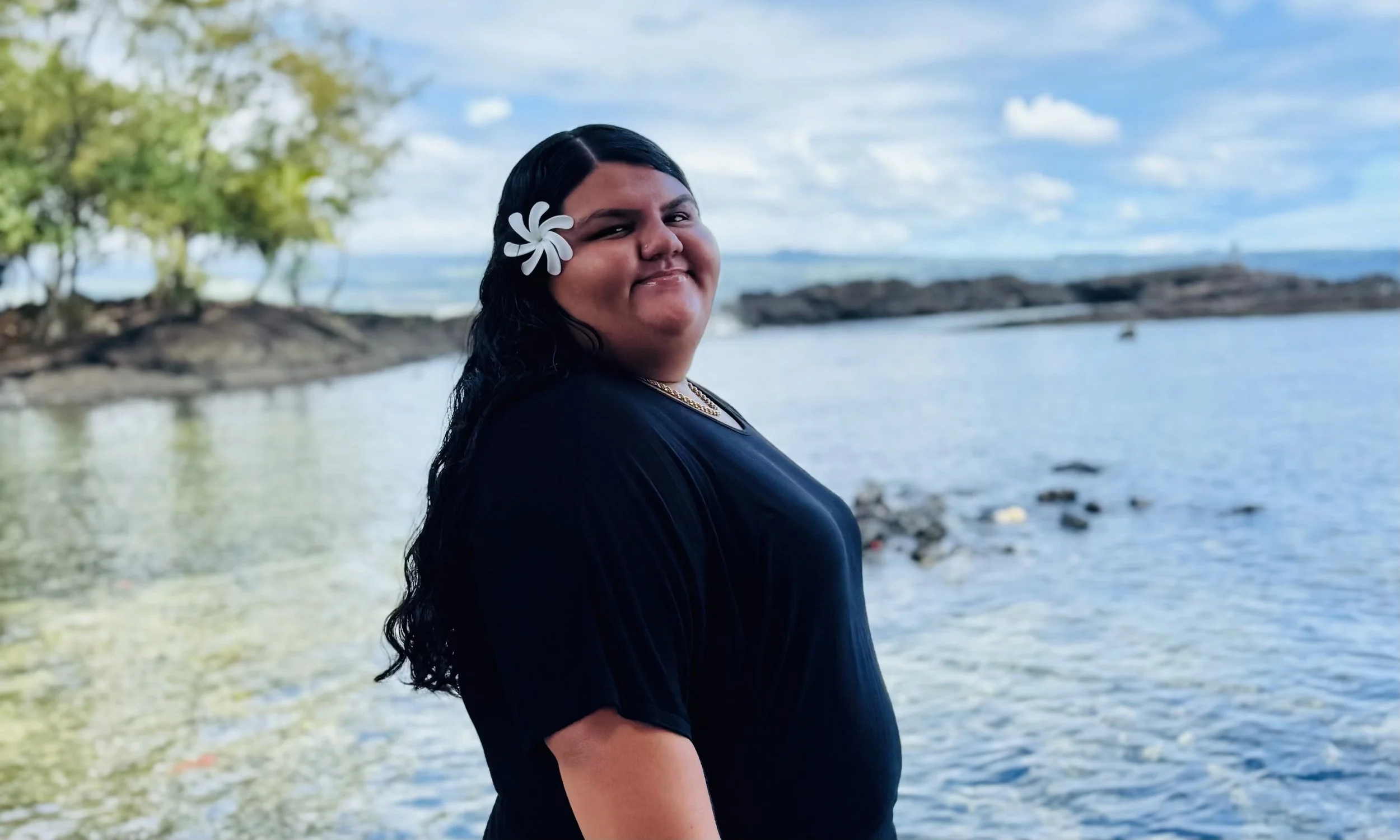
We are proud to celebrate and spotlight our two outstanding peer mentors from our Mahope O Ke Kula Ke Aʻo Mau Ana program at Hilo Intermediate, both graduating this year as part of Hilo High School’s Class of 2026.
Koamalu “Koa” Ikaika Kaloi brings energy, creativity, and heart into everything he does. He shared that the kitchen is where he feels most at home, noting how much he enjoys cooking and baking while constantly experimenting with new flavors and techniques as he refines his skills. Outside of the kitchen, Koamalu stays active through volleyball, valuing both the competition and the connection it brings with friends. He is currently attending Hawaiʻi Community College, pursuing a pathway in culinary arts with the goal of becoming a professional chef or baker. His ambition is not only to master his craft, but to eventually share his passion for food with the community. According to Mr. Fast, Koamalu stands out for his willingness to step up, his personable nature, and how well he collaborates with others—qualities that make him a strong leader.
Shandynce “Shandy” Carter, also a senior at Hilo High School, carries herself with a deep sense of purpose rooted in family, culture, and community. In our interview, she spoke about her love for dancing hula, spending time at the beach, and being with loved ones—activities that bring her peace and keep her grounded. Hula, in particular, holds special meaning as a way for her to stay connected to her culture while expressing herself. After graduation, Shandy plans to take a gap year to support her family, a decision that reflects her strong values and commitment to those closest to her. Looking ahead, she hopes to attend the University of Hawaiʻi at Hilo and pursue a career in education, inspired by her desire to help others learn and grow. Like Koamalu, Mr. Fast recognizes Shandy for her confidence, teamwork, and readiness to take initiative.
Together, these two peer mentors have made an impact through their work with Mālama ʻĀina Foundation, and we are excited to see where their future endeavors take them as they continue to uplift their community and pursue their dreams.
Koaʻs Toaster Oven Banana Bread
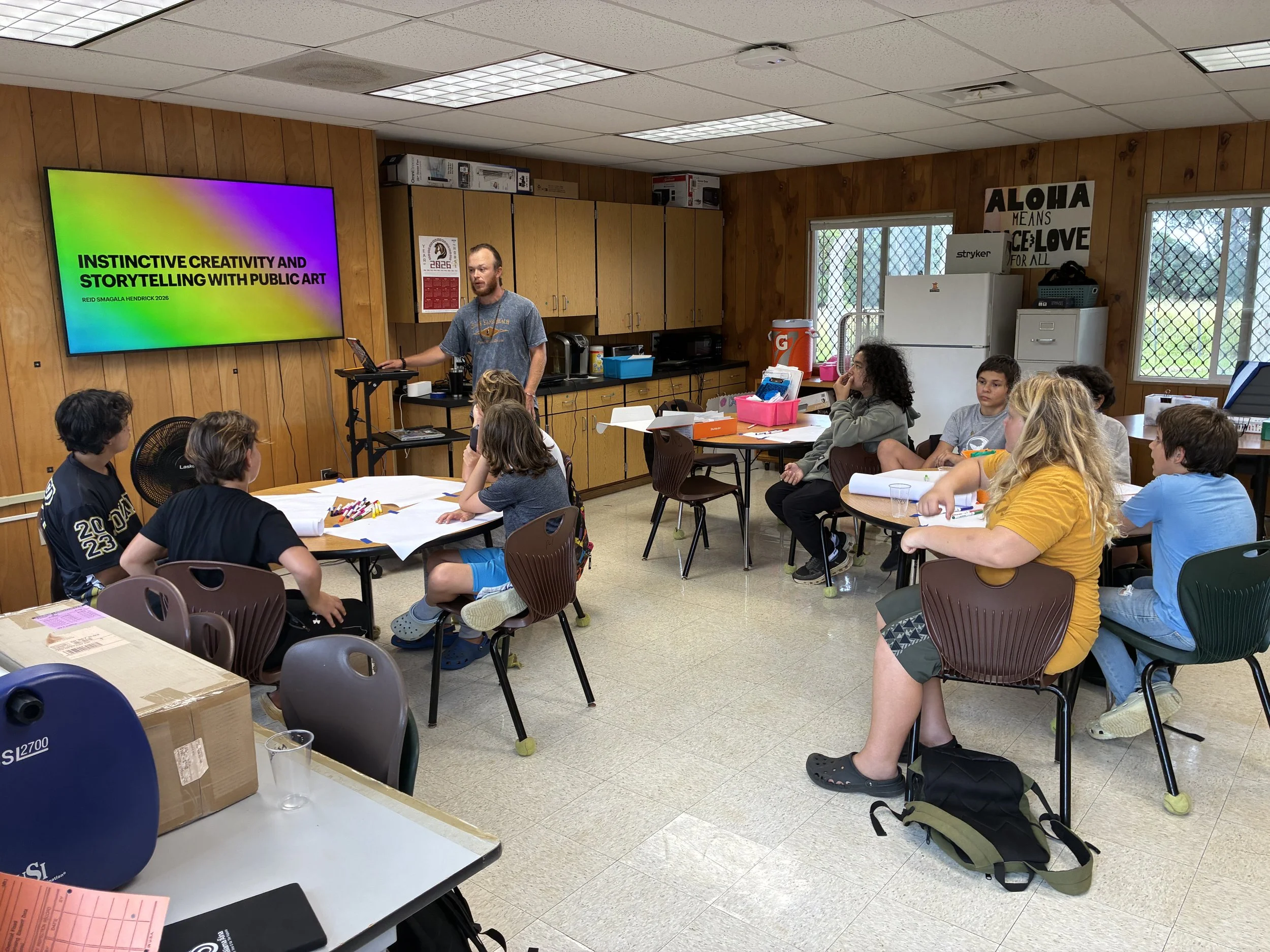
Introducing: Creative Vibes in Kohala
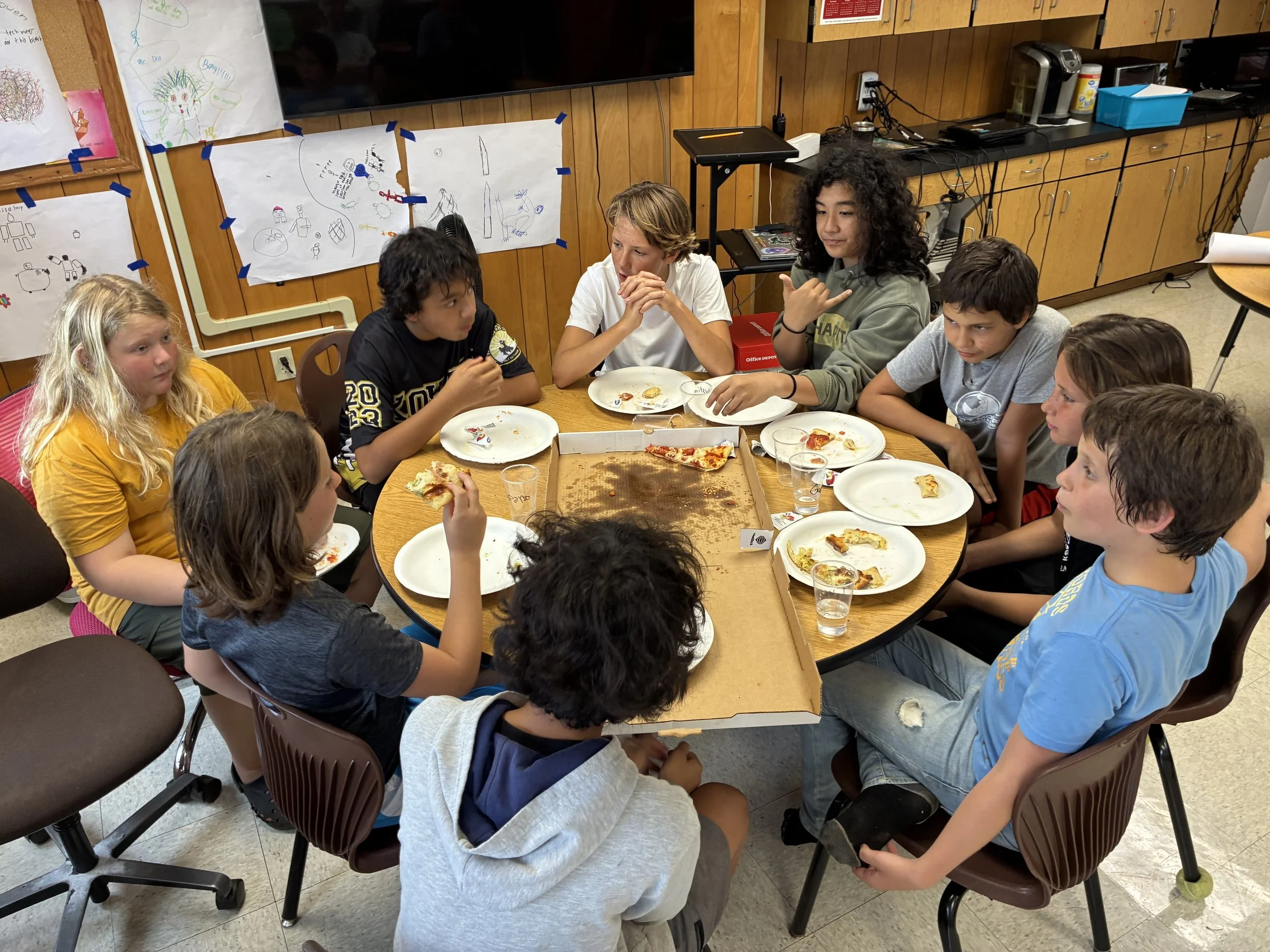
Creative Vibes launched in late February and is already gaining momentum, with 10 registered participants. The program blends arts, creativity, and community-based learning, reflecting Mālama ʻĀina Foundation’s commitment to culturally grounded, place-based education. Led by educational facilitator Joel Tan, the program emphasizes student voice and hands-on, real-world experiences.
An early highlight was a student-led event on March 11, where students—guided by mural artist Reid Hendrick—explored public art and designed a gathering with games and food that attracted new participants and school staff.
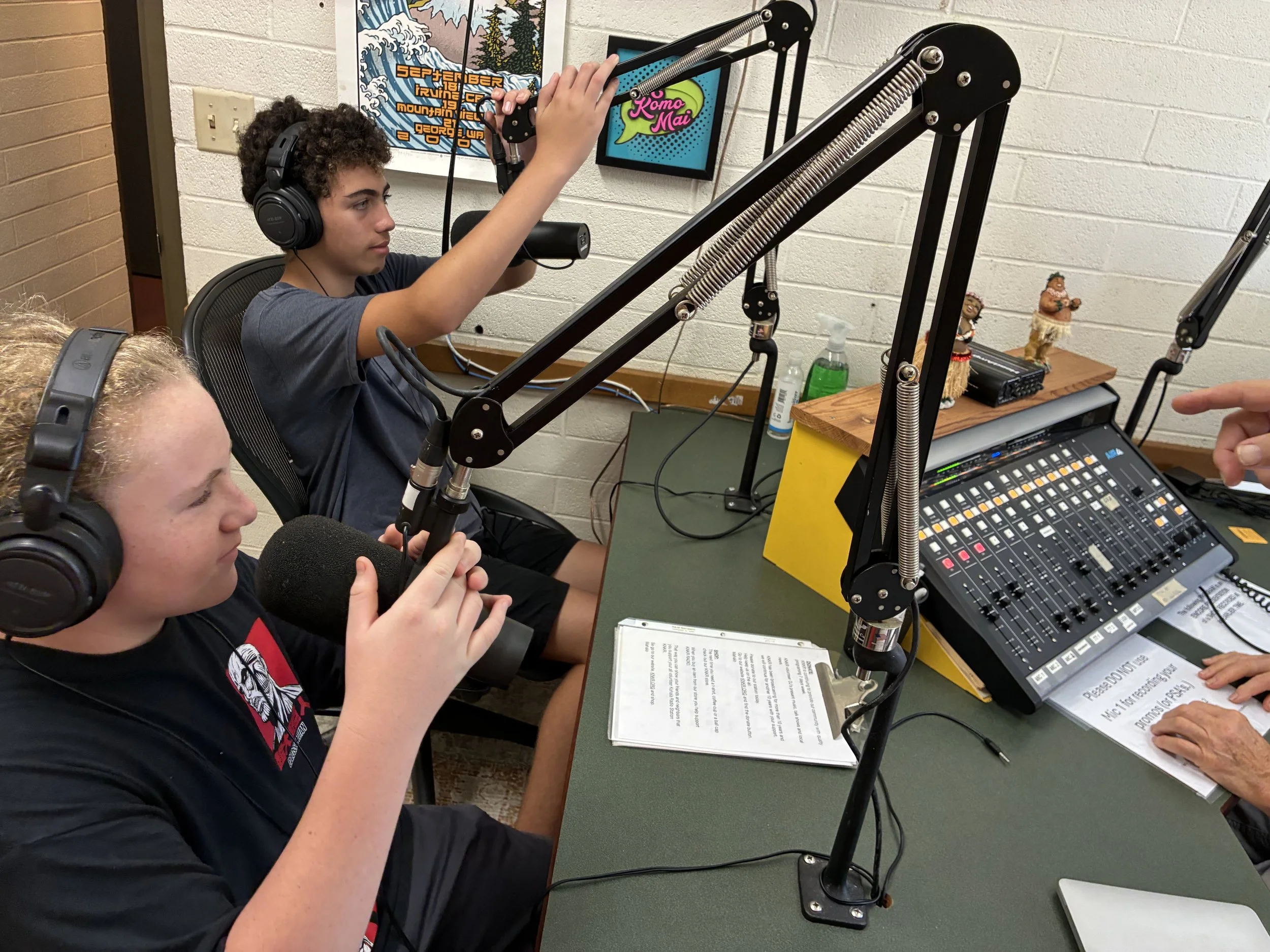
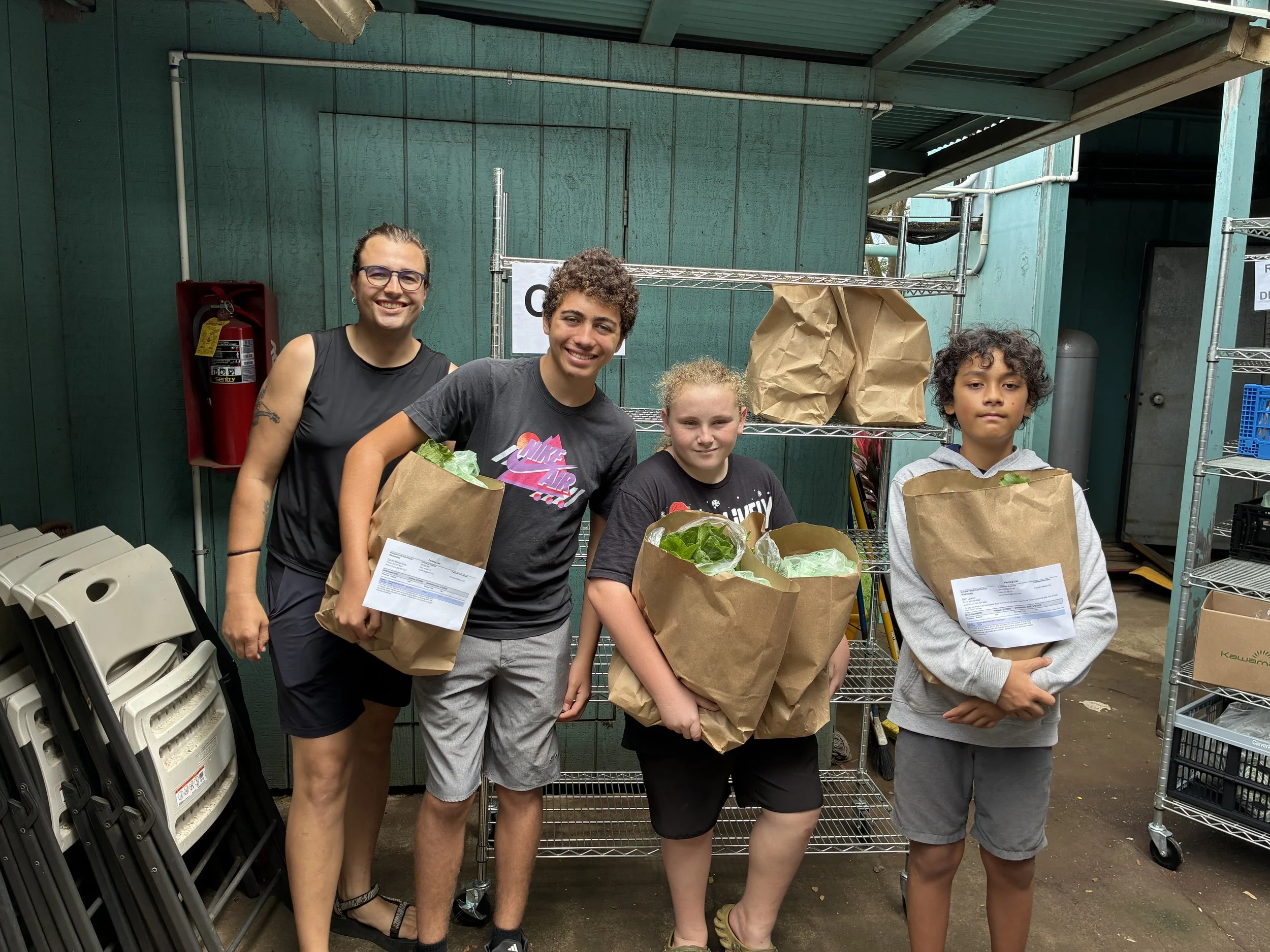
During spring intersession, students took part in hands-on learning across the community: visiting Hāmākua Macadamia Nut Company, KNKR radio, and the Kohala Food Hub, where they explored local careers, media production, and food systems. They’ve also been building photography skills while contributing to the Kohala Heritage Center’s interactive map project.
Beyond activities, the program is fostering a strong sense of belonging, especially for youth who may not connect with traditional extracurriculars.
Looking ahead, students are excited for upcoming experiences at Anna Ranch, Merriman’s in Waimea, and the Kohala Artist Cooperative, along with a planned summer collaboration with Kohala Middle School. Creative Vibes is off to a strong, community-centered start.