
July through Sept 2026
Q3 – Kūkulu: Building and Growing Together
‘A‘ohe hana nui ke alu ‘ia.
No task is too great when done together.
‘Ōlelo No‘eau #142
During the third quarter, Mālama ‘Āina Foundation worked on strengthening our programs, relationships, and capacity that support our work. This quarter also marked an important step forward as we began programming with Kua o Ka Lā PCS, extending opportunities into a new school and community.
Building our Kahua for the School Year Ahead
July brought opportunities to close out summer programming, strengthen relationships, and learn together as we built our kahua for the school year ahead.
Our KKE team wrapped up summer programming with Kamaile Academy, YMCA, and Panaʻewa summer programs, connecting keiki with ʻāina-based learning through exploration and hands-on activities.
At the Hoʻākea summer convening, our planning team shared how we organized our event and the many hands and partners who helped bring it to life. Time with the Department of Education and ʻohana waʻa reinforced the collective effort that makes Hoʻākea possible. The convening also marked the unveiling of hoakea.com, a central gathering place for all things Hoʻākea.
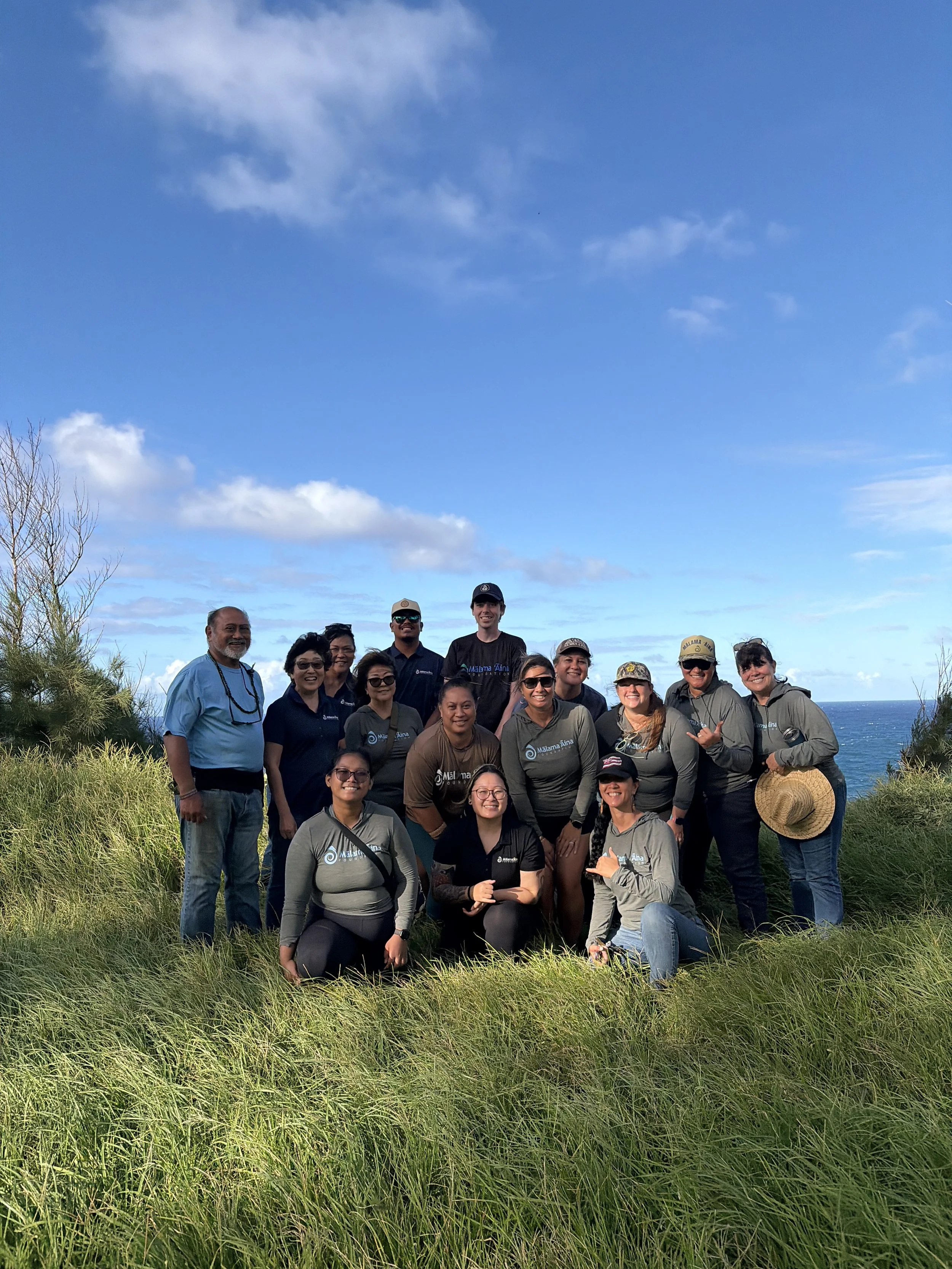
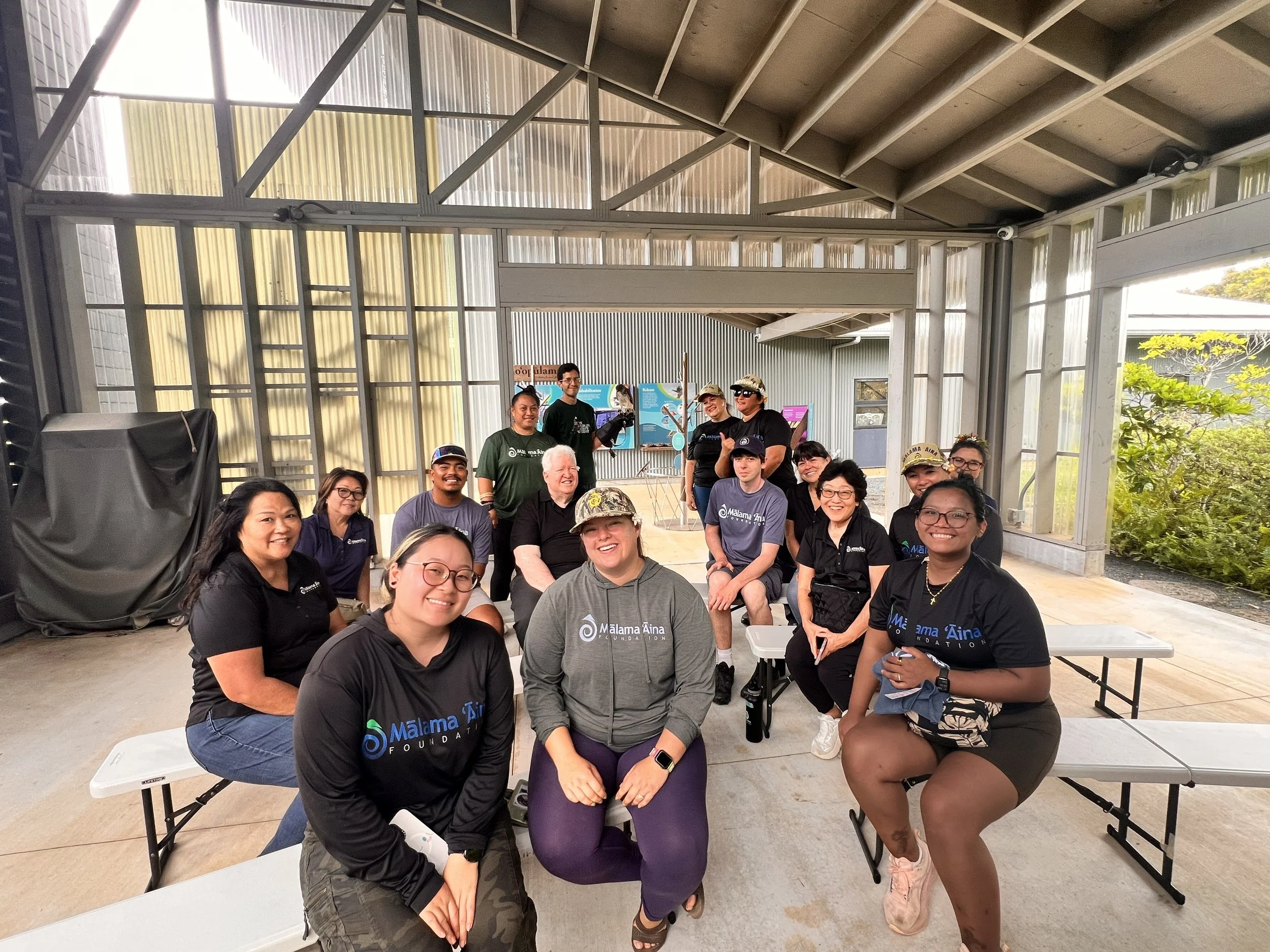
We ended July with our two-day ʻImi ʻIke all-staff training in Kohala, beginning at Puʻukoholā. Bringing together our Maui, Oʻahu, and Hawaiʻi Island teams, the training created space to reflect on our shared purpose, learn from one another, and strengthen the pilina that guide how we teach and collaborate.
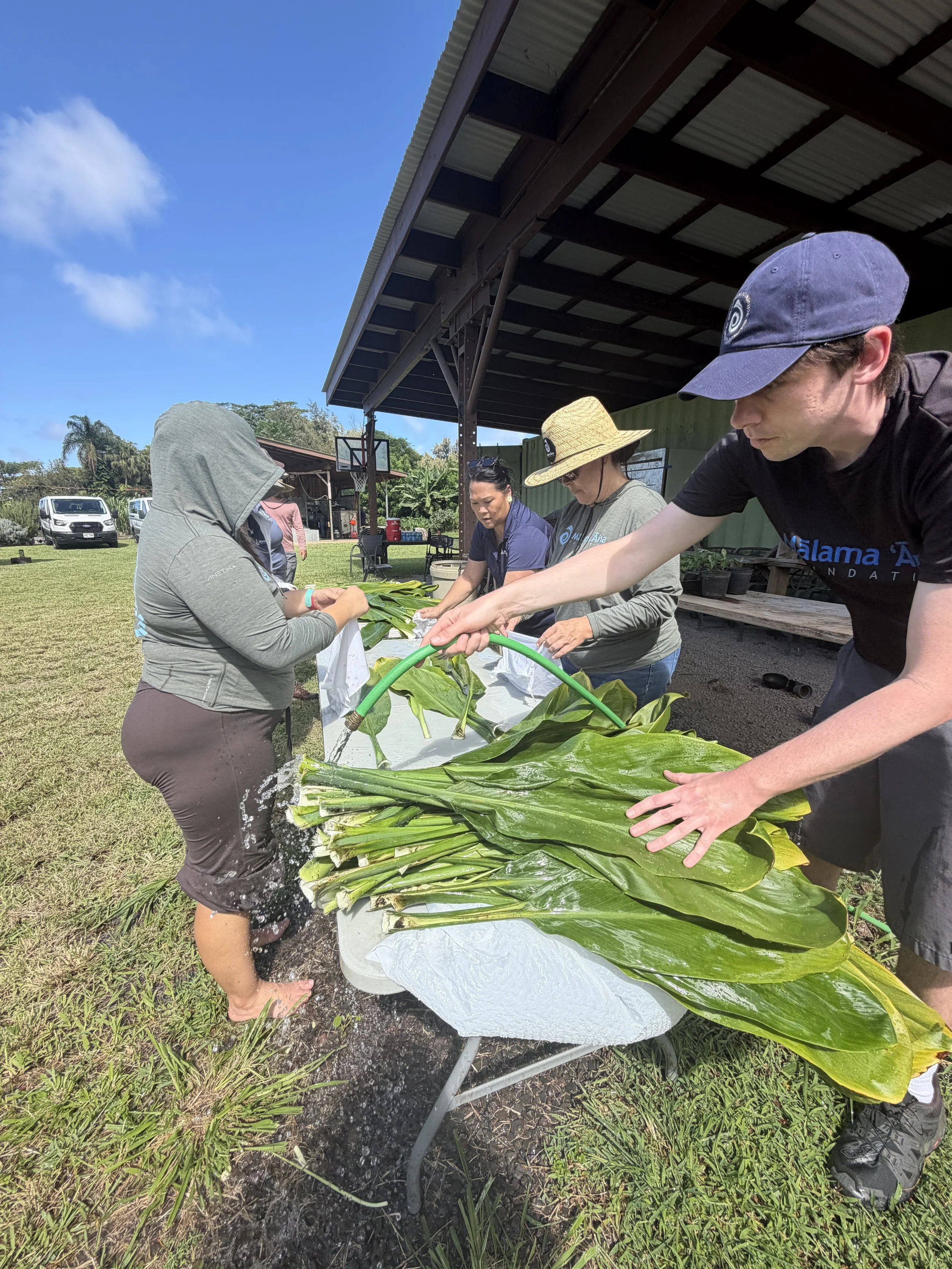
From Puʻukoholā, our time together continued throughout Kohala as we learned alongside partners, spent time on the ʻāina, and strengthened connections across our organization. At KAPA Farms, we learned about the area where Kamehameha grew up, made laulau, and participated in TIC training with staff from across MAF. The next day, we made lei and visited our partner, Hawaiʻi Wildlife Center, where we learned about the critical work they do to care for Hawaiʻi’s native seabirds and ʻōpeʻapeʻa.
Mahalo nui to ʻAnakala Andrew “Analu” Silva and Mokihana Tadio of NPS Puʻukoholā, Uncle David Fuertes and ʻohana of KAPA Farms, Angela Emeliano of Hawaiʻi Wildlife Center, and everyone who welcomed and cared for us. We carry the ʻike, aloha, and relationships shared in Kohala into the school year ahead, with a stronger sense of kuleana to the keiki we serve.
Growing Connections, Creating Opportunities
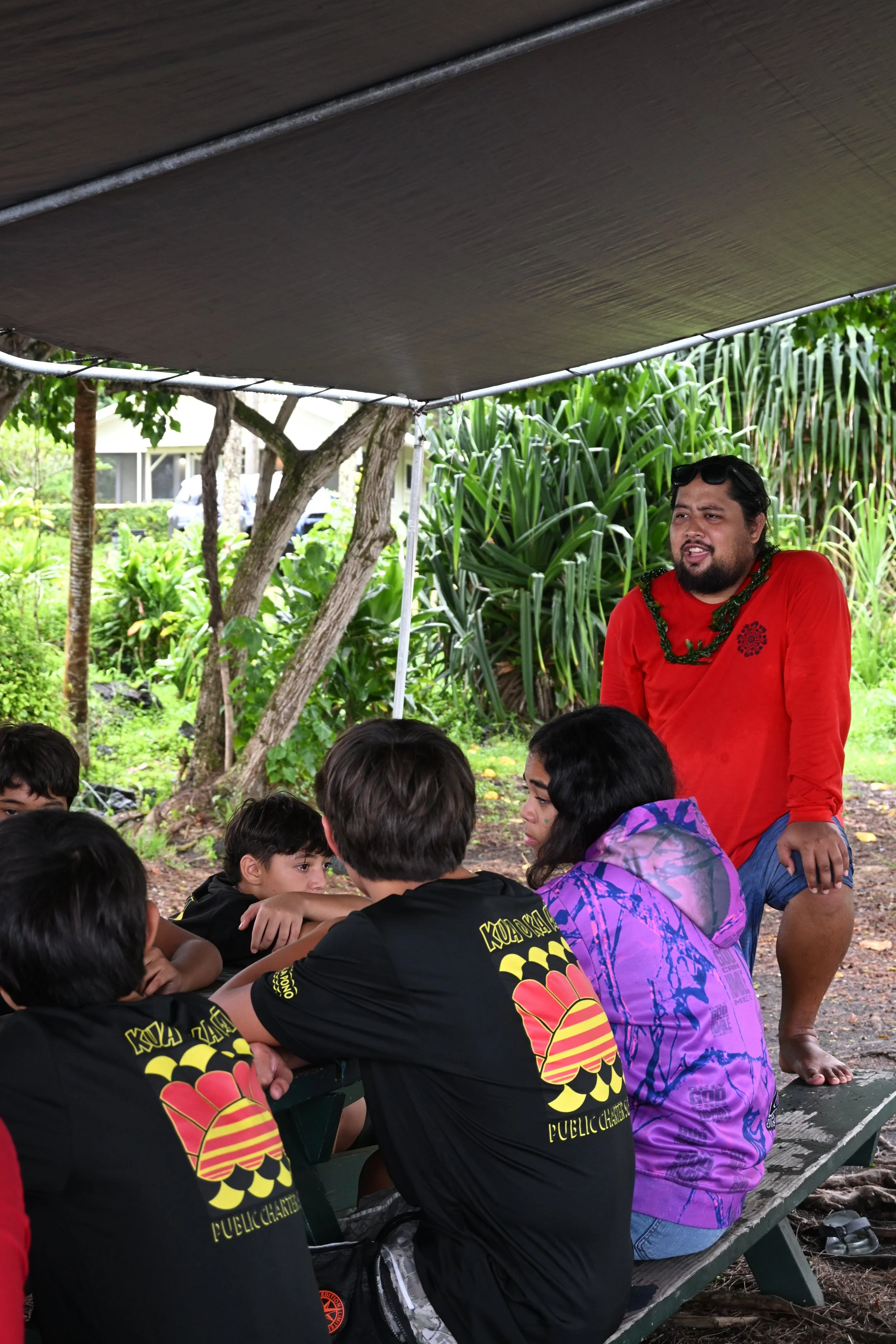
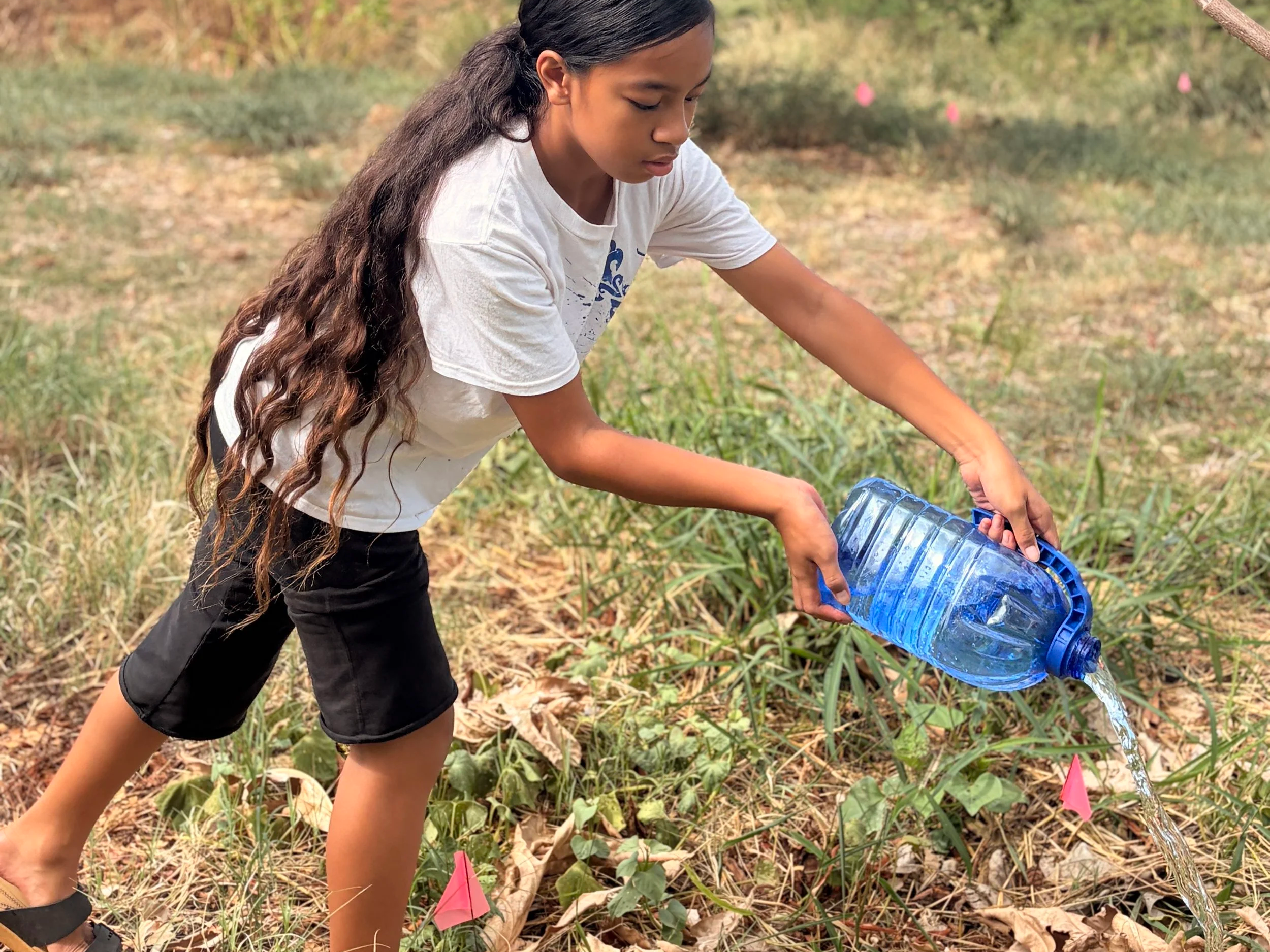
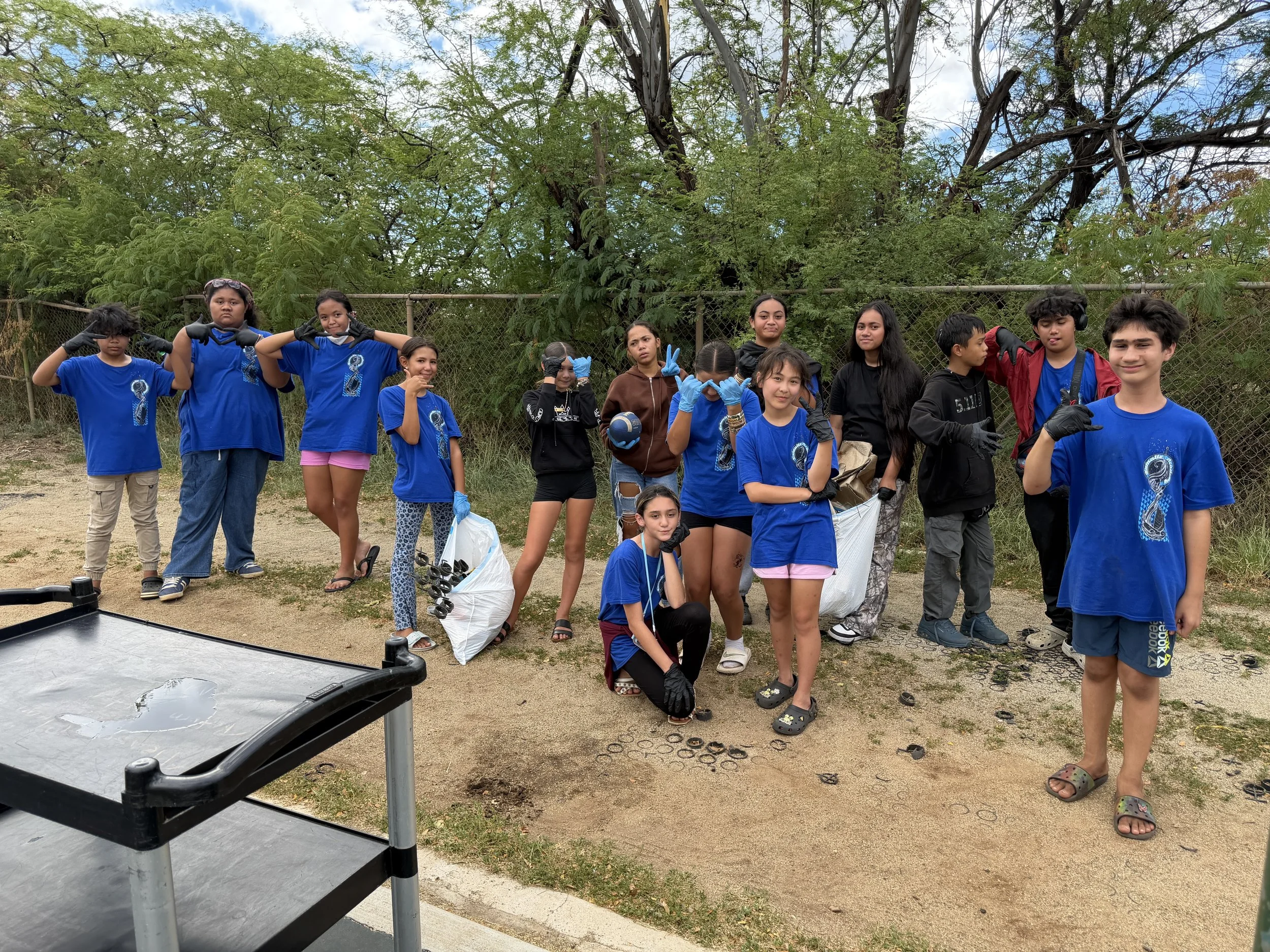
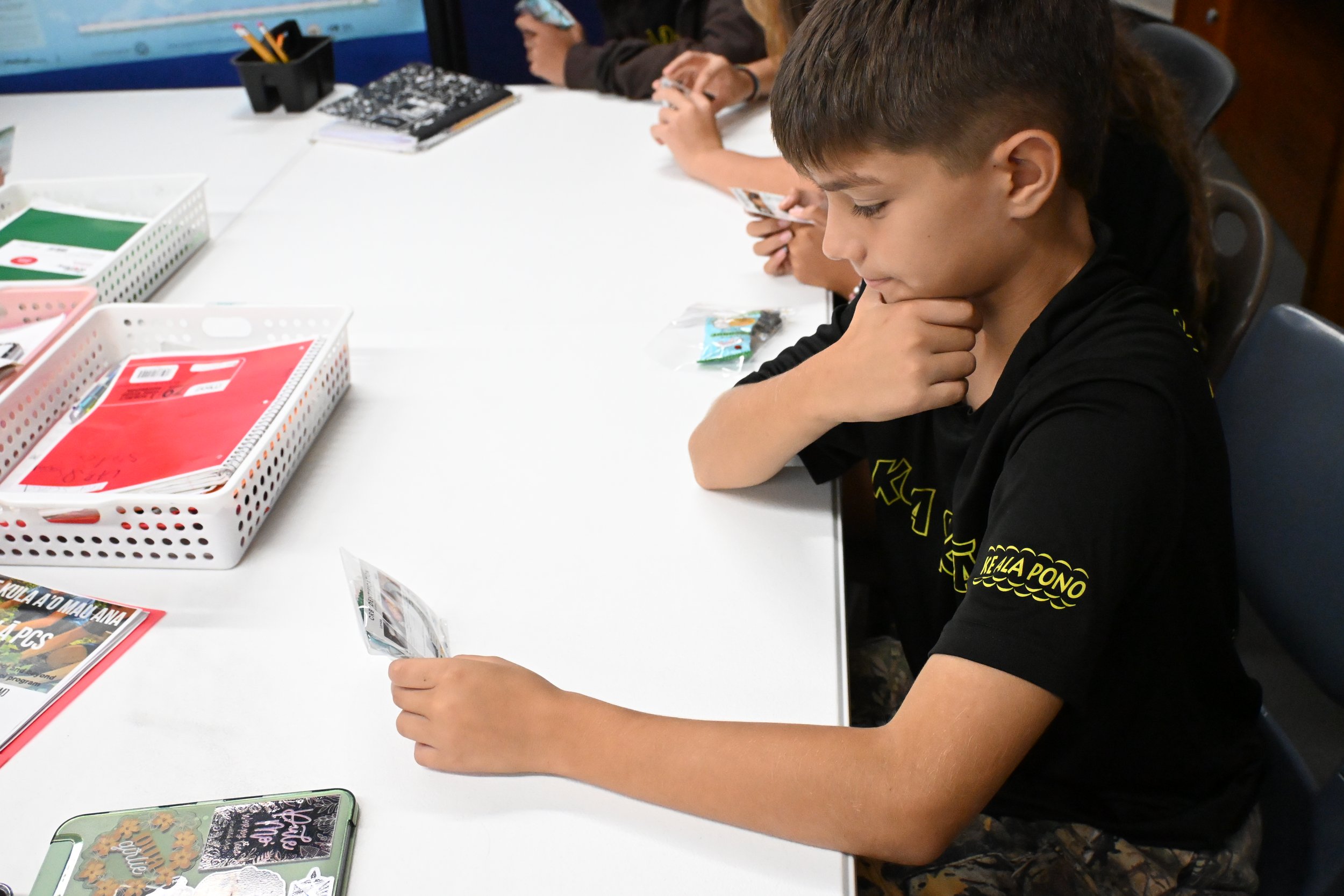
As the school year began in August, our programs—Mālama Mau, Mahope O Ke Kula Ke Aʻo Mau Ana, and Creative Vibes—brought haumāna and educators together to strengthen pilina through shared learning.
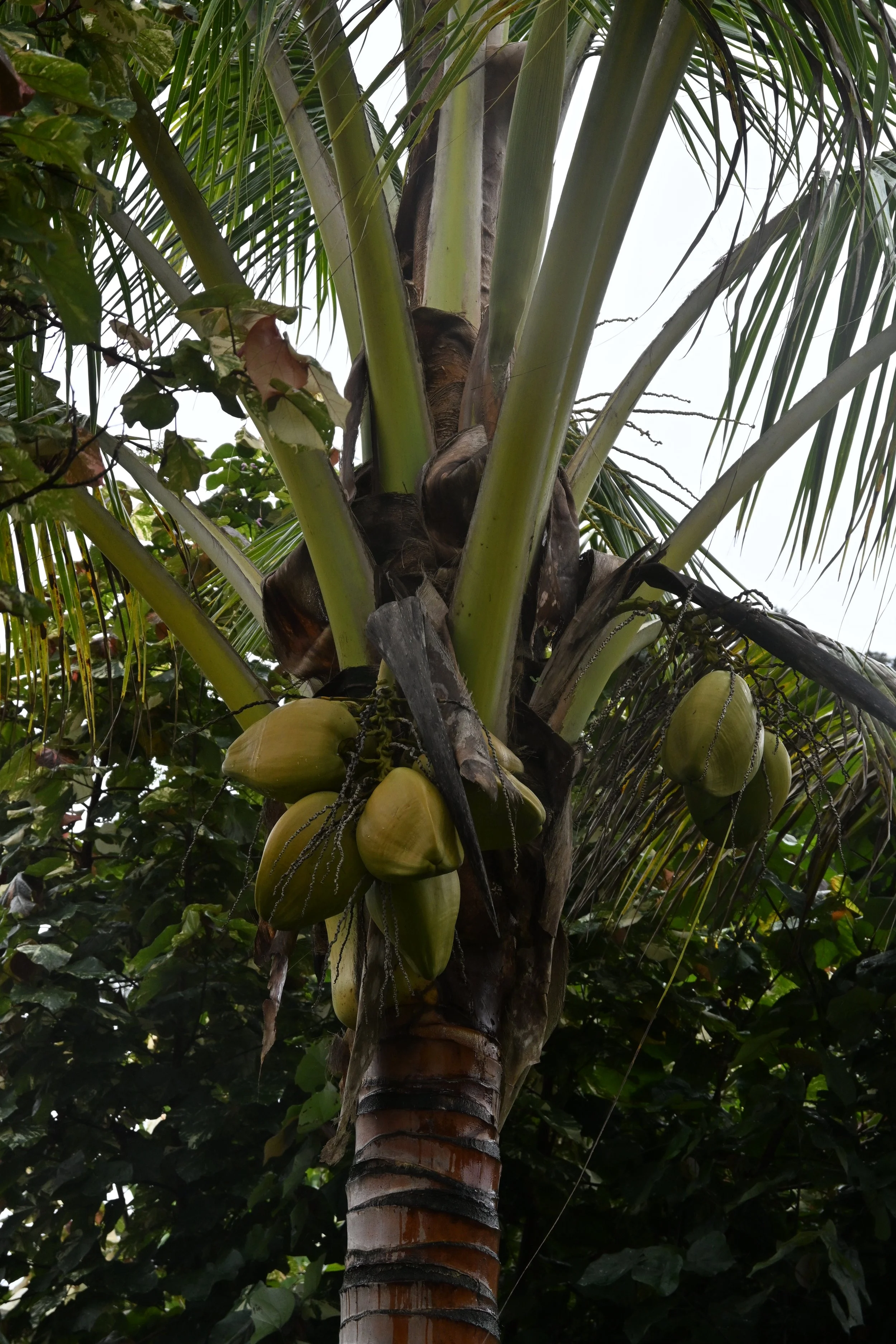
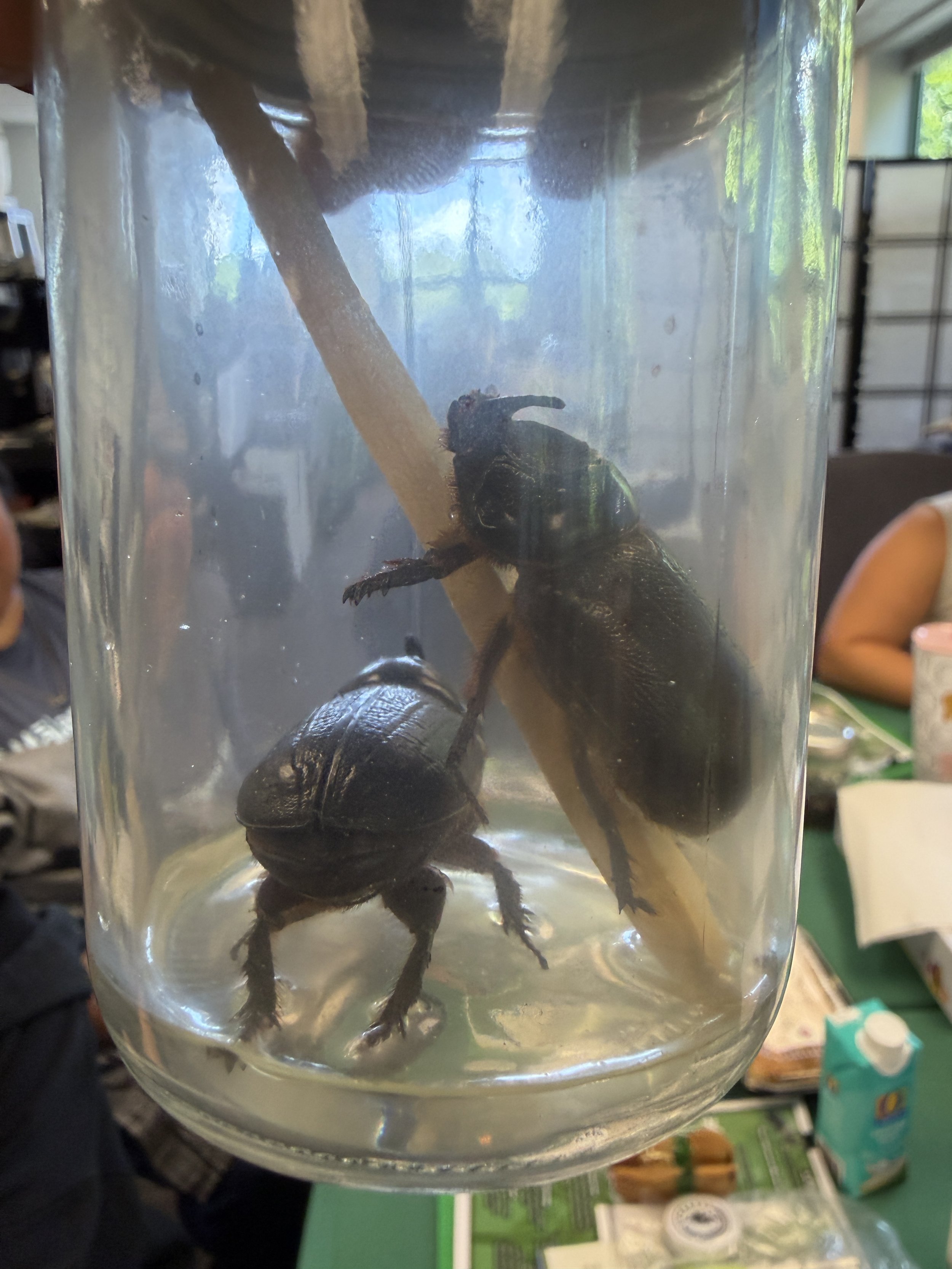
Q1 Niu curriculum training took a deeper look at the importance of niu to Hawaiʻi and the threat posed by the coconut rhinoceros beetle (CRB). Beginning the year with this curriculum established a foundation for the in-class lessons to follow, grounding learning in the relationship between the well-being of niu and the ʻāina.
“Mau ka pono o ka niu, mau ke ʻea o ka ʻāina.”
When niu is planted, we have our freedom of our land.
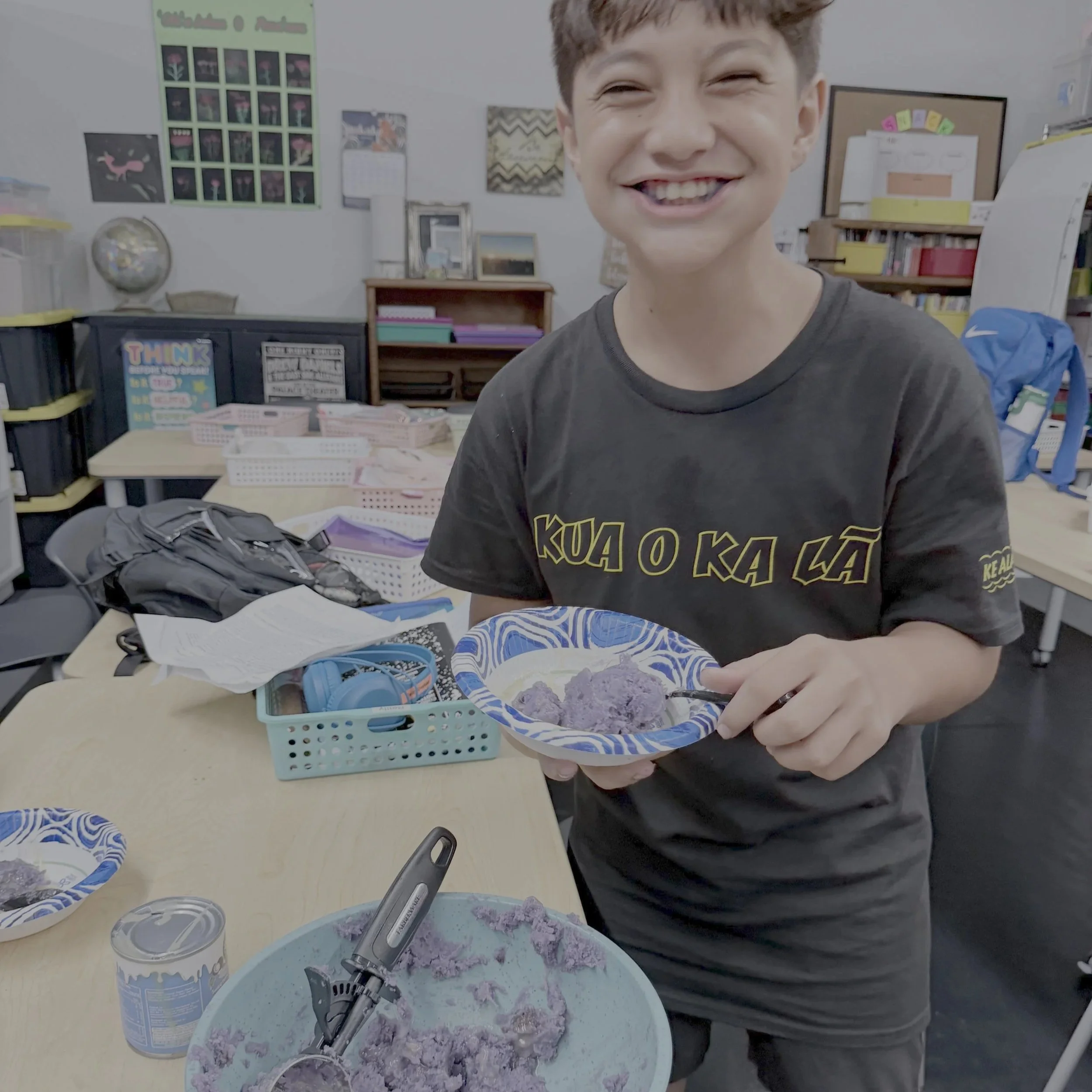
Throughout the quarter, our E.S.’ put learning into practice through classroom lessons, huakaʻi, and cooking activities in both our in-class and after-school programs. These experiences created opportunities to explore, practice skills, and build pilina by working alongside one another.
At Kamaile on Oʻahu, haumāna explored the importance and uses of niu through an in-class scavenger hunt, using informational posters to learn how they can help protect niu. In Mahope, biweekly mālama ʻāina days brought haumāna together to care for campus spaces from the courtyard to the middle school buildings—a shared kuleana they will carry throughout the school year.
On Hawaiʻi Island, KKE brought the CRB lesson to Kohala. Visits to ‘Iole, Starseed Ranch and KAPA Farms also gave haumāna an opportunity to learn about different agricultural resources in the area and practice mālama ʻāina.
In Hilo, in-class lessons shared CRB awareness, while Mahope cooking activities highlighted the many foods that can be made from niu. Haumāna also began building relationships with the Keaukaha coastline through huakaʻi to Honokea Loko Iʻa, Kaumaui, and Keokea Loko Wai with Hui Hoʻoleimaluō.
On Maui, Mālama Mau continued supporting Lāhainā kumu by providing time to rest, rejuvenate, and strengthen their foundation as educators. Our staff served as substitutes in their classrooms, making space for kumu to step away while their students get hands on experience in the māla.
Coming Together for our Communities
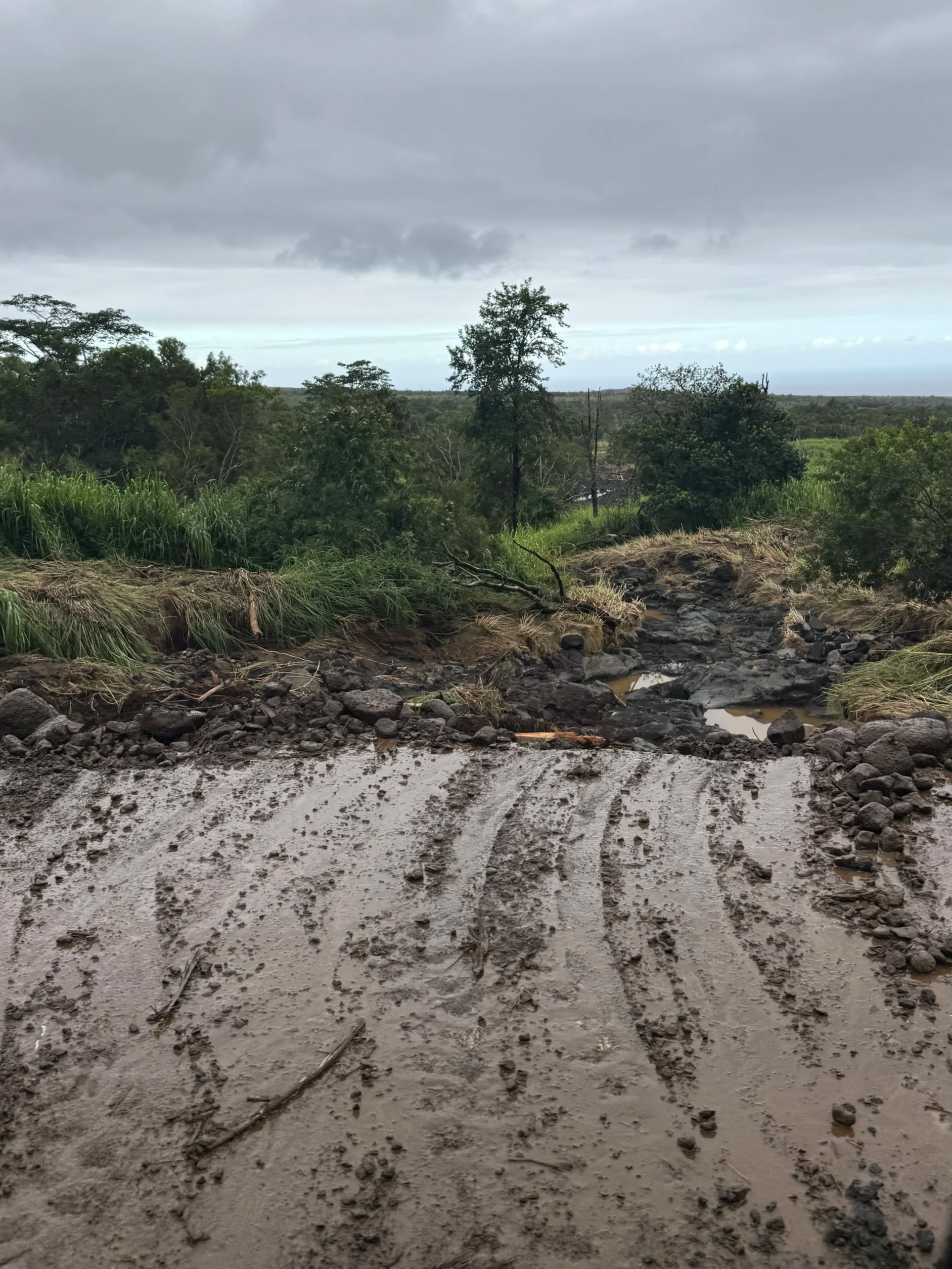
The devastation caused by the Kona Low and Lala continues to affect communities on Hawaiʻi Island as families work to recover. Mālama ʻĀina Foundation supported relief efforts with supplies and financial contributions for impacted school communities and ʻohana.
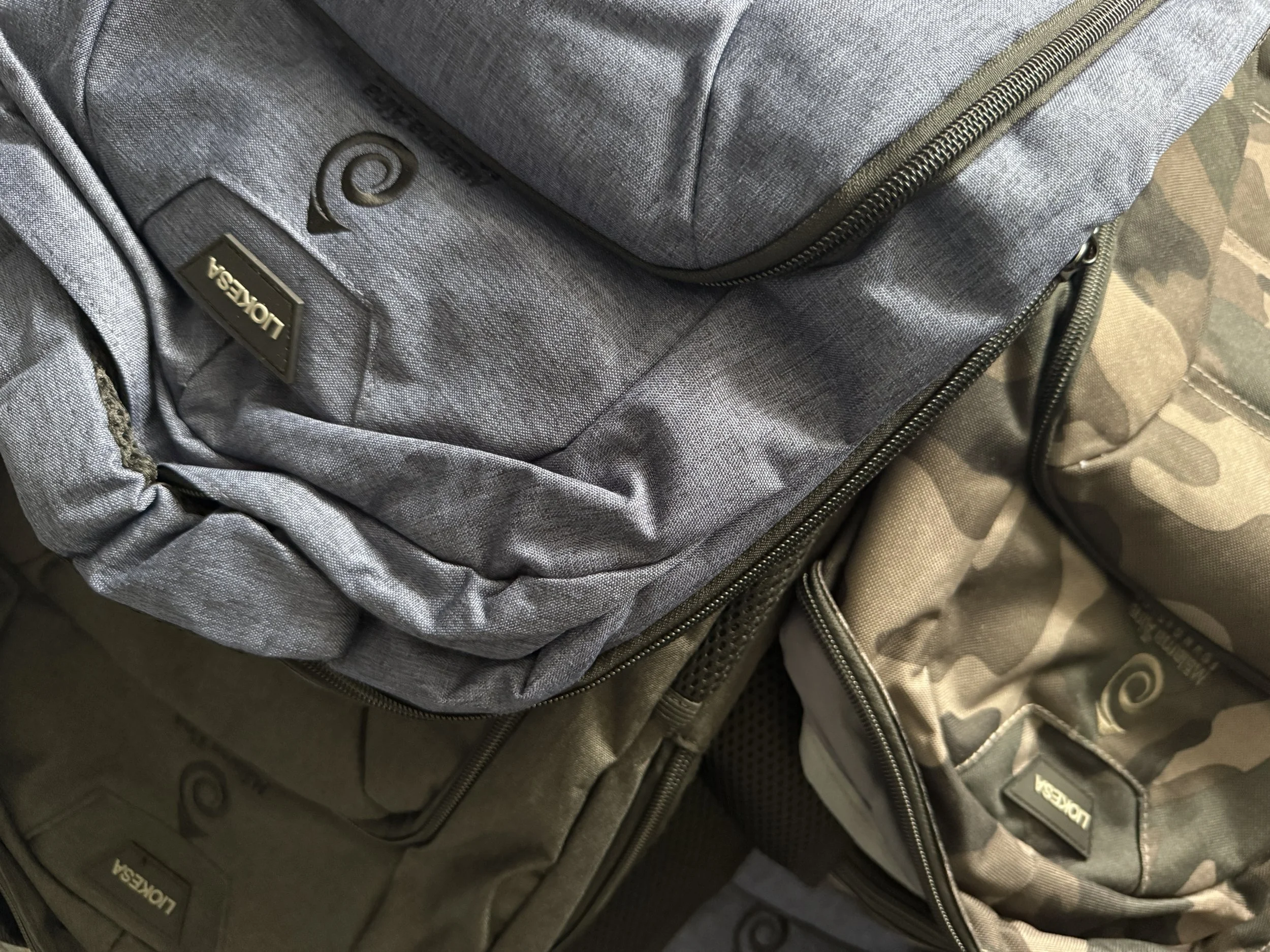
At Kua o ka Lā, donated items helped support families still getting back on their feet after weeks without running water and electricity. For Kohala Middle School, MAF provided supplies for survival kits, including MREs, snacks, lights, and slippers. Backpacks and hygiene kits were also provided to both school communities and the Nāʻālehu community.
MAF staff contributed $1,500 toward relief efforts in Kaʻū. The Foundation matched their contributions, bringing the total donation to $3,000.
Partner Spotlight: Kalani Kahalioumi
Kalani Kahalioumi brings his voyaging experience and commitment to ocean education to life through hands-on learning for haumāna across Hawaiʻi and beyond.
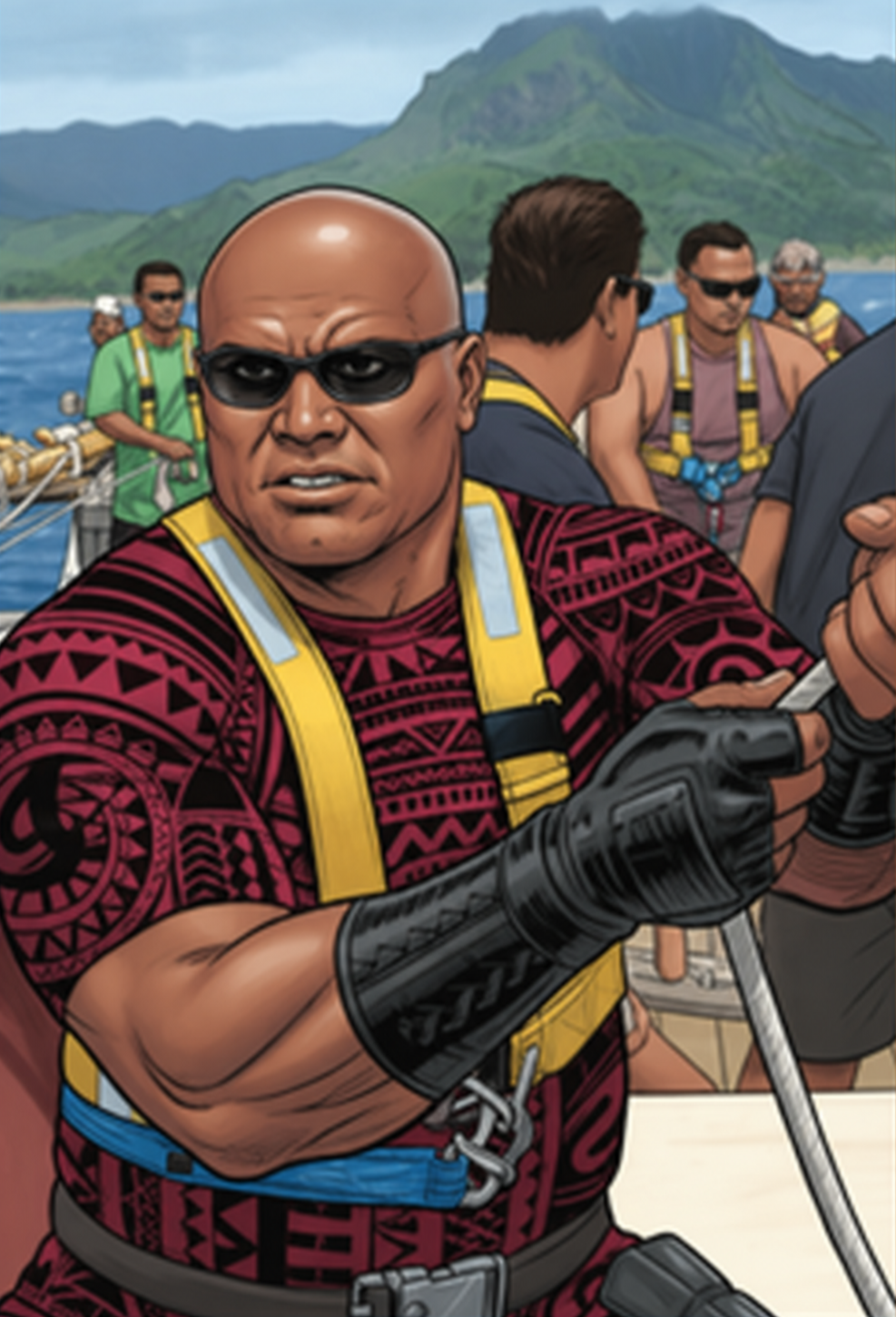
Our relationship with Kalani spans more than five years through the County of Hawaiʻi’s ʻIke Kai intercession programs, wa’a education for our Mahope O Ke Kula Ke A‘o Mau Ana, and more recently he is a key partner in Hoʻākea East Hawai’i,
Inspired by Hōkūleʻa more than 25 years ago, Kalani is dedicated to sharing the experiences that shaped his journey, hoping to spark that same inspiration in haumāna. A member of the Polynesian Voyaging Society, he has sailed worldwide aboard Hōkūleʻa and Hikianalia. He draws on these experiences to teach others about caring for the ocean and our ‘āina.
As Director of Special Programs for Hawaiʻi County’s Department of Parks and Recreation, Kalani leads ʻIke Kai intercession programming, youth surf camps, and waʻa education at Richardson Ocean Park in Hilo, including work with the double-hulled canoe Kiakahi & Kananialika. These activities offer keiki, adults, and kūpuna opportunities to build confidence and strengthen their relationships with the ocean and one another.
Kalani is also working to develop Nā Kai ʻEwalu Oceans Academy, creating pathways for youth and young adults to explore careers in the maritime and ocean recreation industries. Partners supporting the initiative include the County of Hawaiʻi, Department of Education, UH Hilo’s Marine Science Department, Dr. John Burns, and Captain Kainoa Hauanio, with guidance from Hilo-Waiākea Superintendent Kasie Kaleohano. Efforts are underway to prepare vessels and develop hands-on training opportunities for youth and community members.
Mahalo, Kalani, for your continued commitment to our haumāna, our communities, and the ocean that connects us.
A New Season of Ho‘ākea
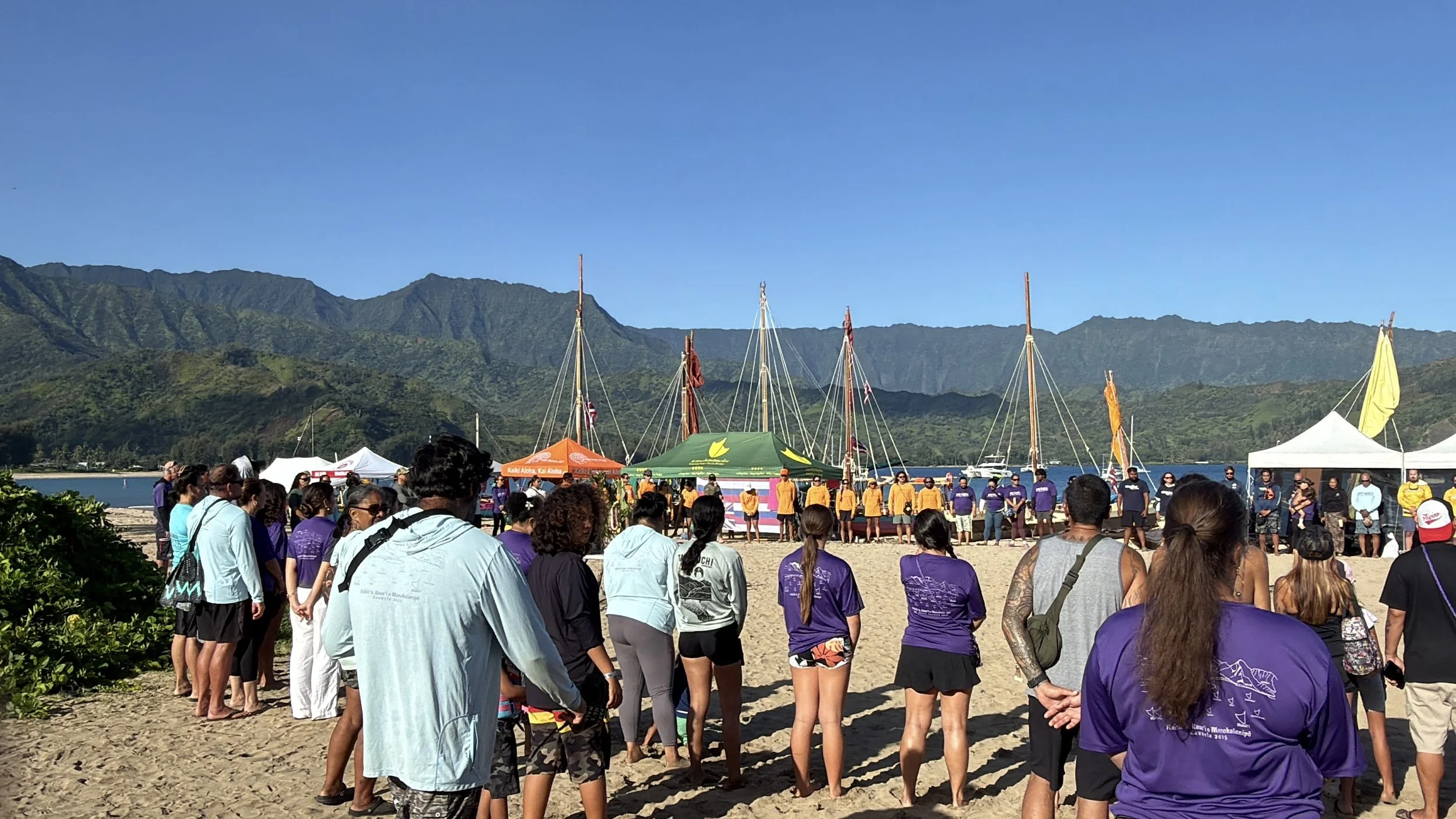
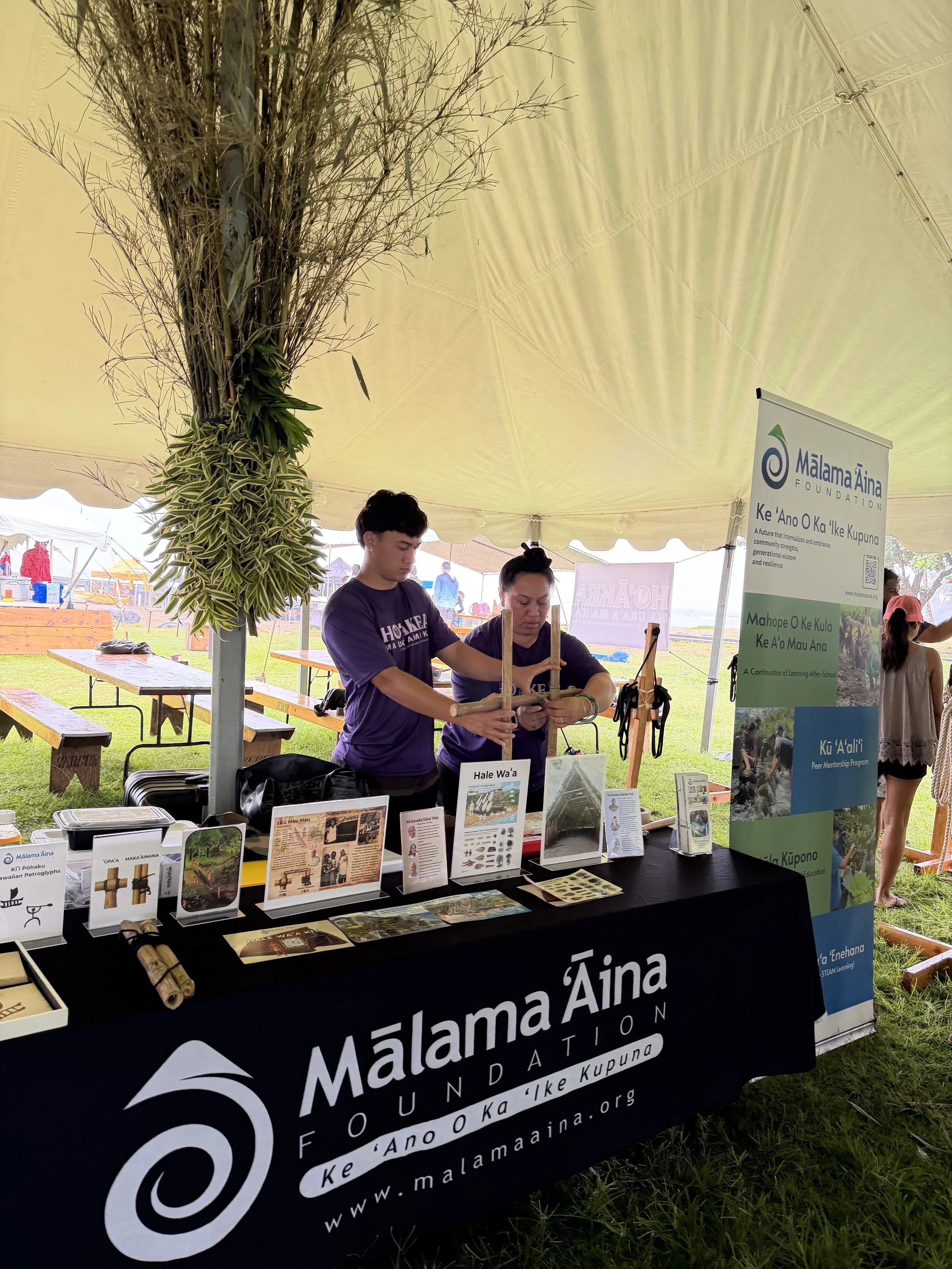
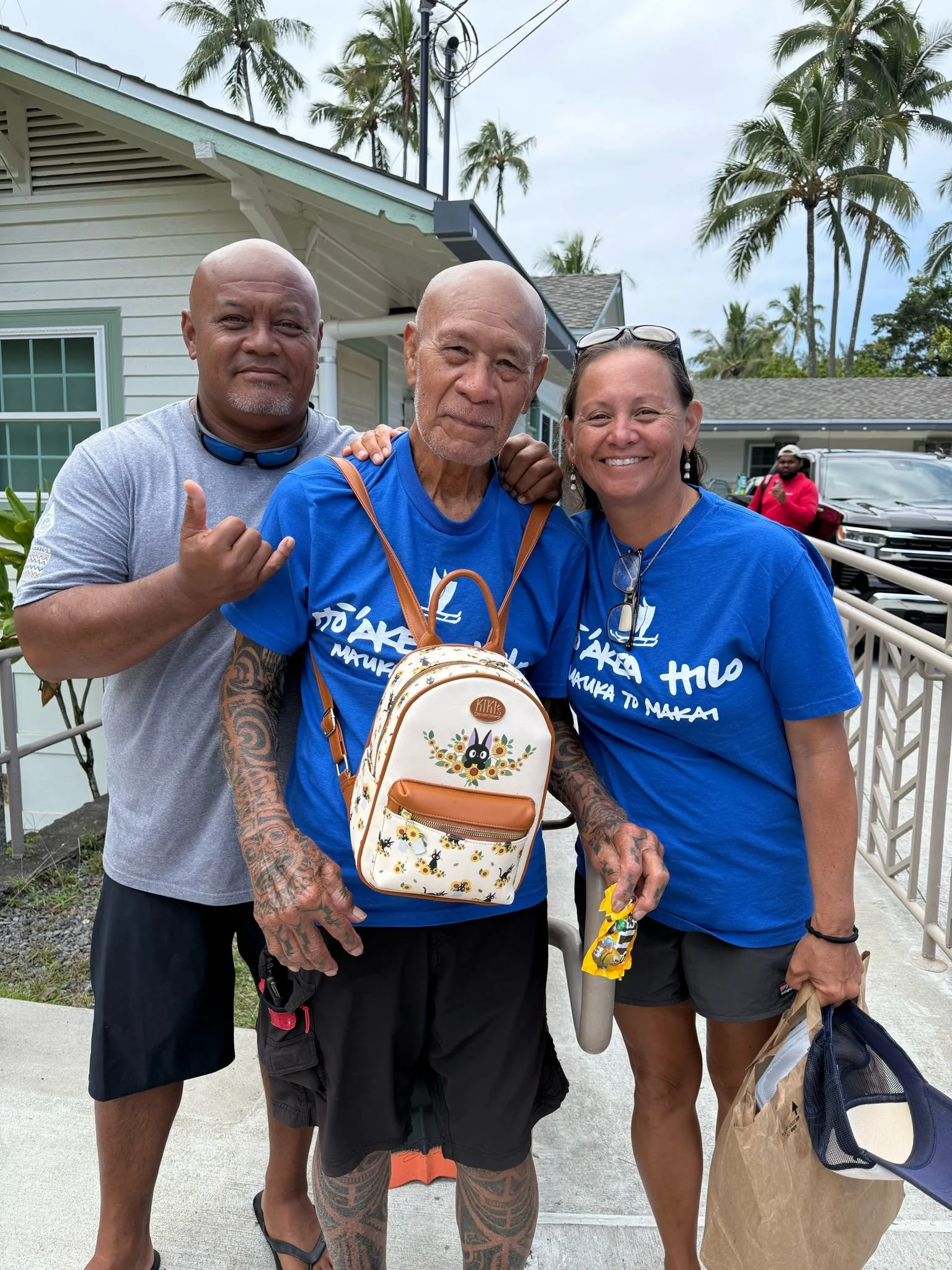
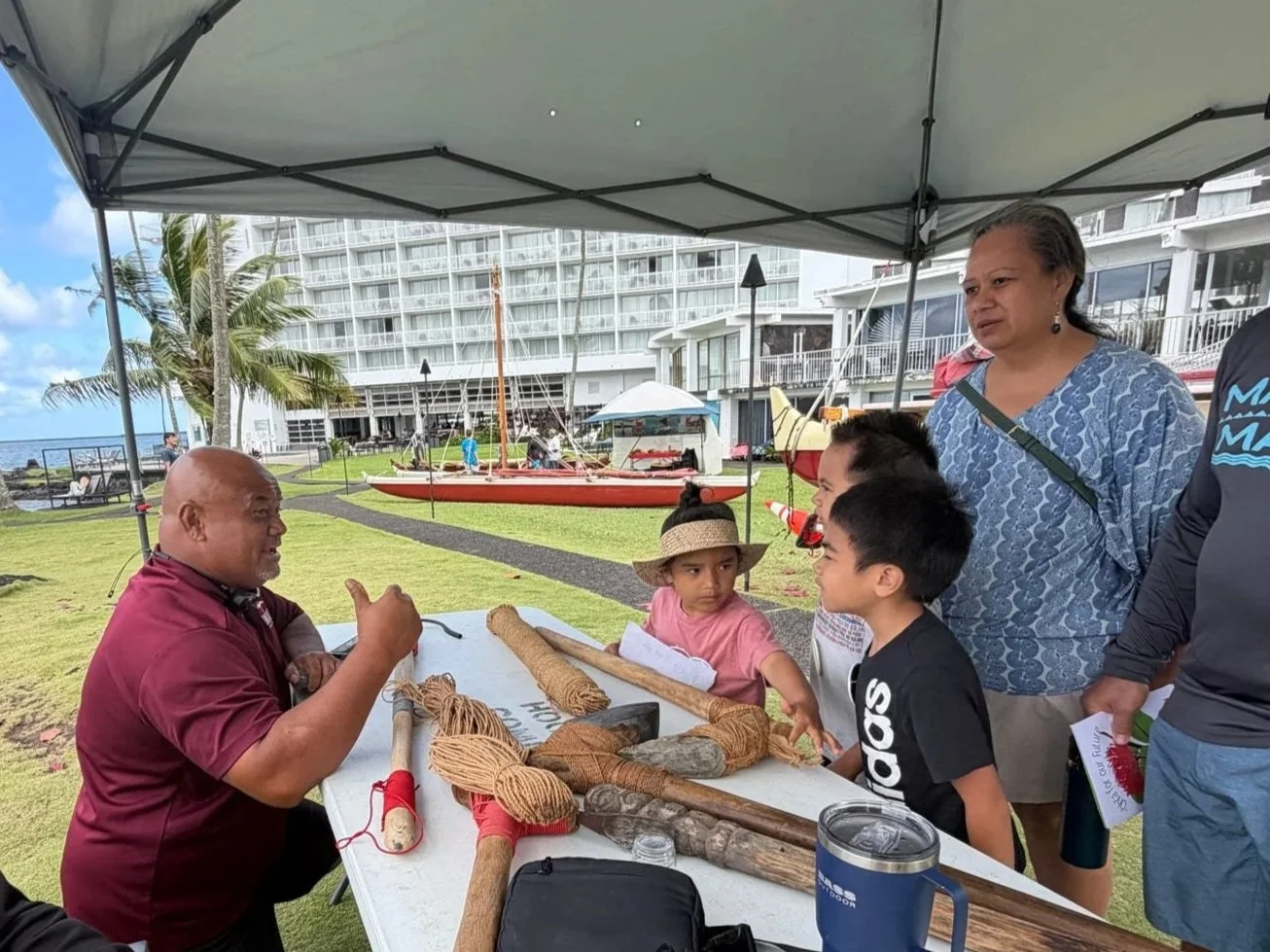
Hoʻākea: Mauka to Makai returned for another year, bringing students, kumu, cultural practitioners, and community partners together through hands-on learning rooted in ʻāina and waʻa. Hanalei on Kauaʻi kicked off our Hoʻākea season, followed by Hāna on Maui. For Mālama ʻĀina Foundation, these gatherings offered time to be in community, strengthen relationships with our ʻohana waʻa, and learn alongside those connecting young people to place.
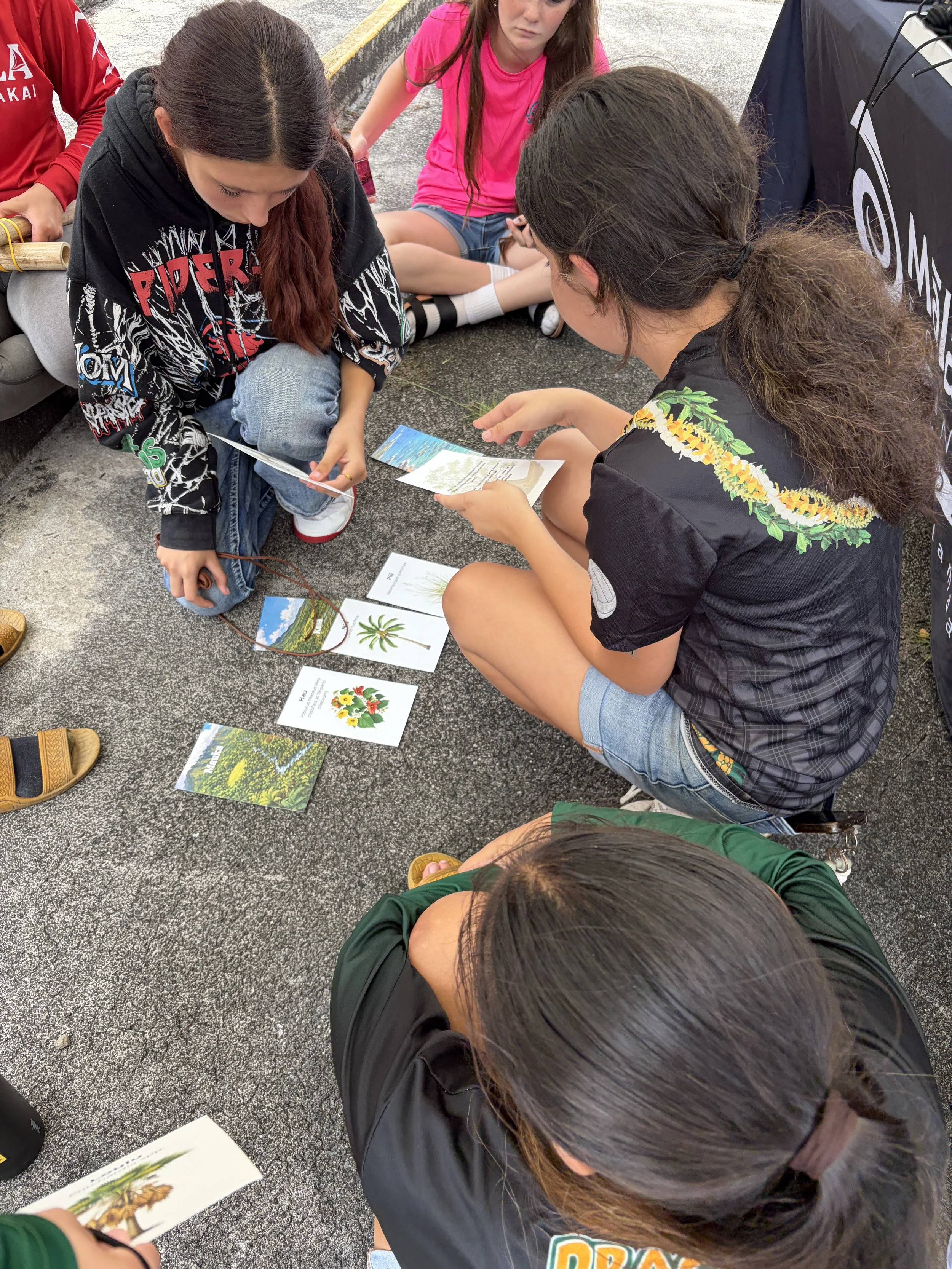
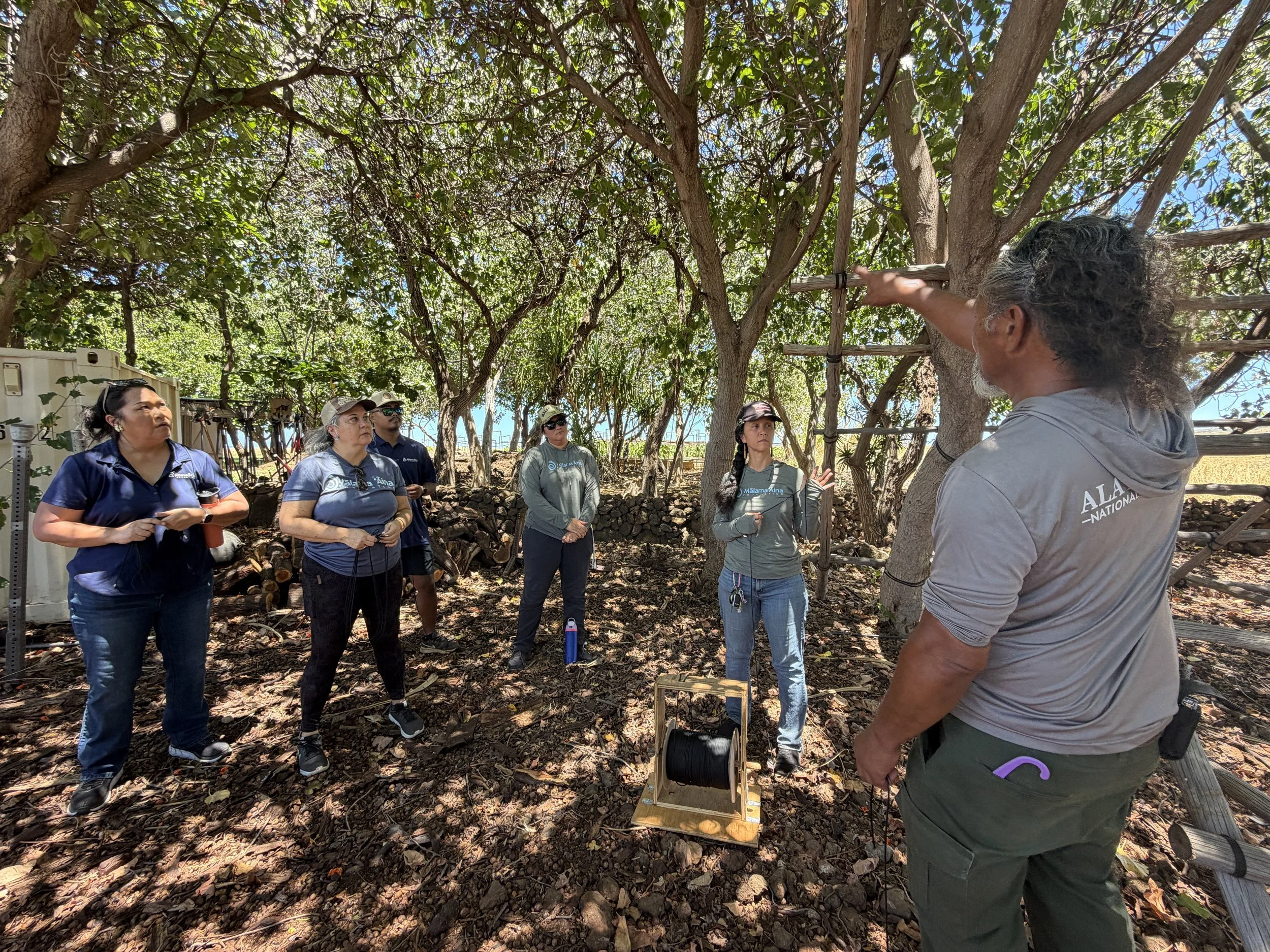
This year, we introduced our new Hale Waʻa lesson in Hanalei. Participants explored plants found across three regions—mauka, kula, and makai—and their uses in building waʻa and hale waʻa. Together, we discussed how stewardship of these areas helps ensure these resources remain available for the next generation.
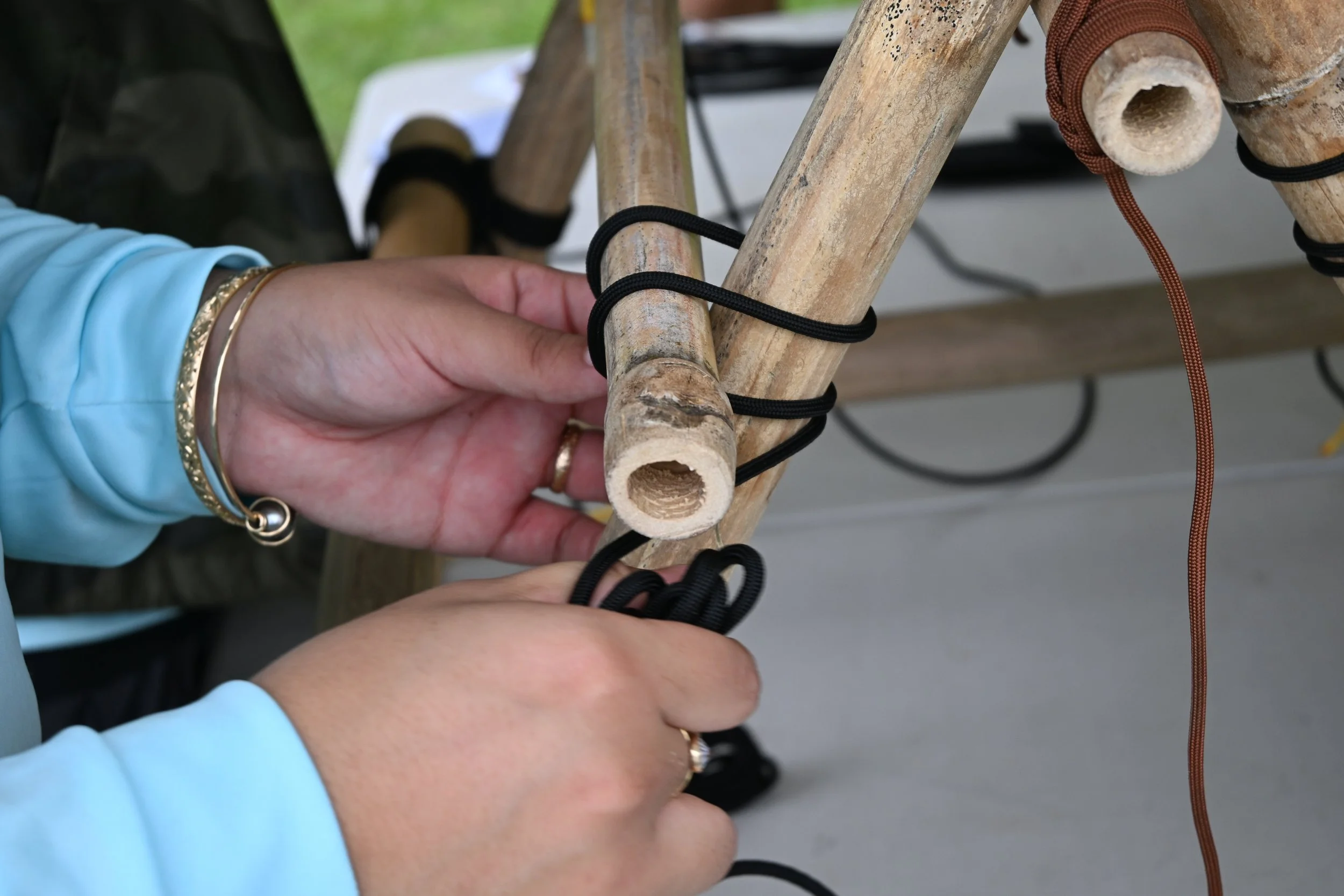
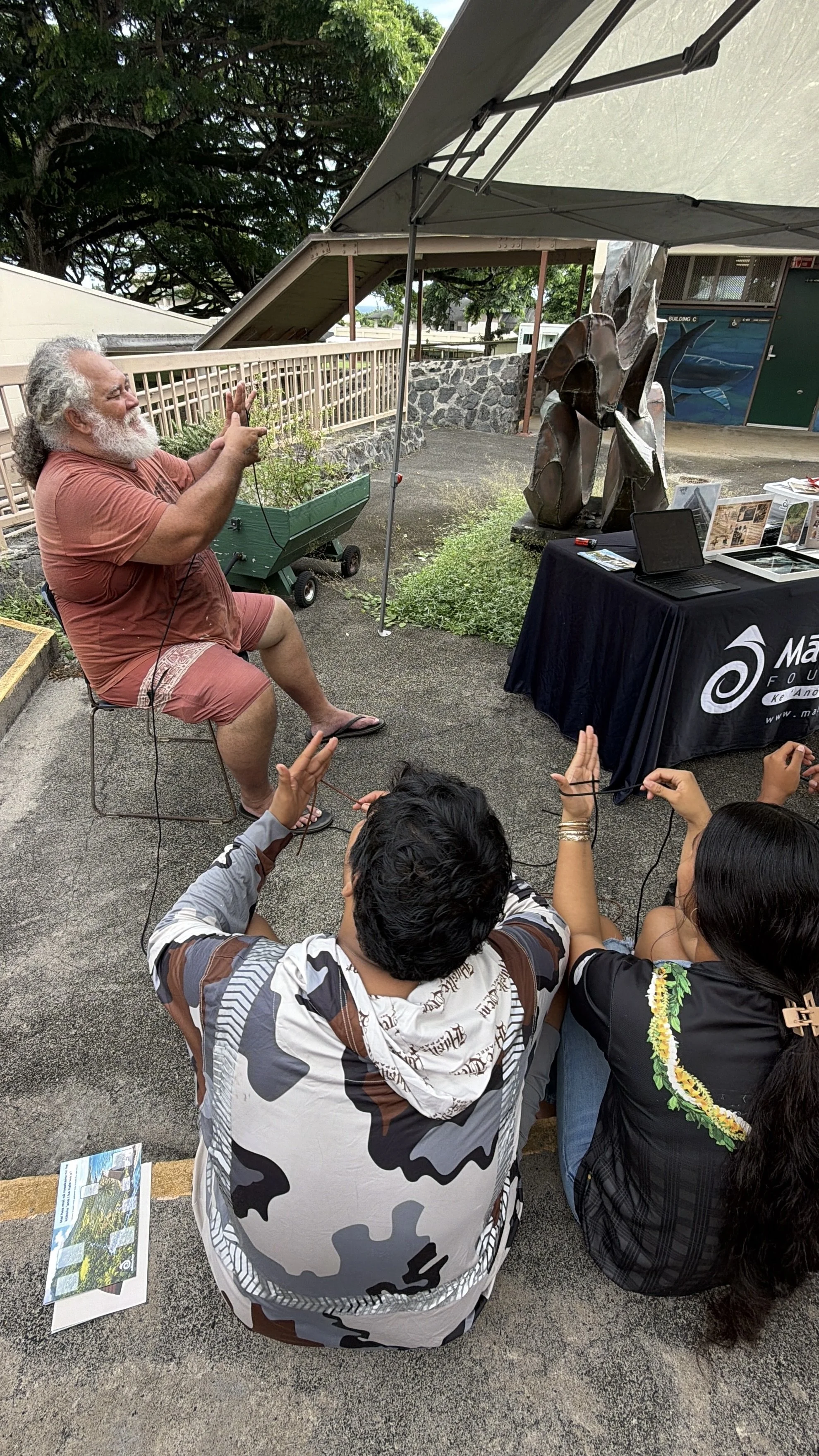
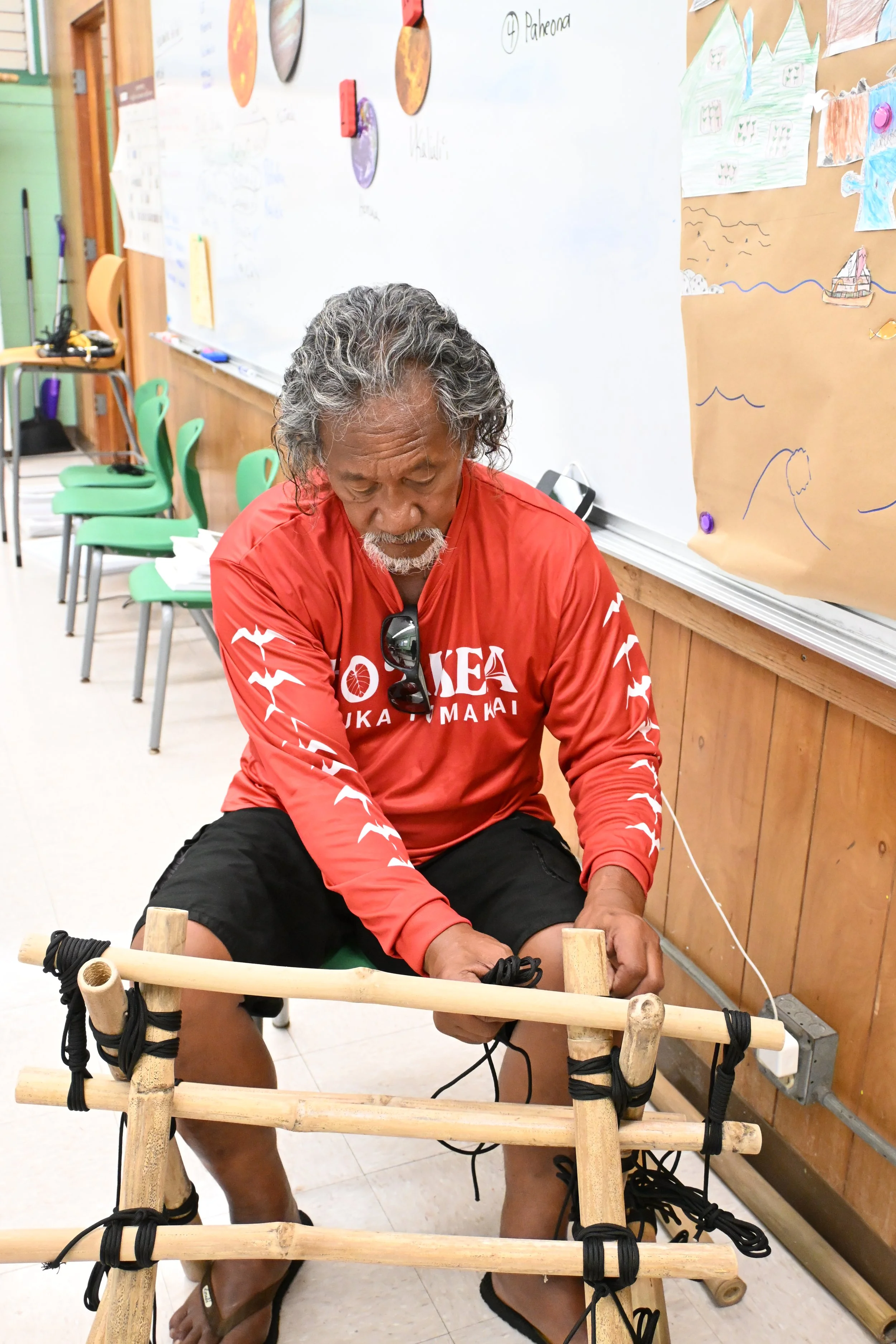
Haumāna especially enjoyed practicing the “shaka,” a hands-on technique used to prepare kaula for lashing. Building on the hei activity in our Wayfinding lesson, students challenged themselves to get the technique right, developing coordination and perseverance as they worked with the kaula. Our team learned this technique from Analu Silva, Scotty Garlough, and Tiana Henderson, haumāna of Master Builder Uncle Francis Palani Sinenci.
The initiative continues with Hawaiʻi Island’s Hoʻonui gatherings, leading into East Hawaiʻi Hoʻākea in March 2027.