April through June 2026
Q2 – Hoʻoulu: Growing Our Impact
He aliʻi ka ʻāina, he kauwā ke kanaka.
The land is chief, and we are its servants.
‘Ōlelo No‘eau #531
Growth happens through relationships. During the second quarter of 2026, Mālama ʻĀina Foundation continued to strengthen connections between students, educators, cultural practitioners, and communities through place-based learning.
From Hilo to Waiʻanae, students explored the living traditions of Hawaiʻi by learning directly from the people and places that sustain them. Partnerships expanded across Hawaiʻi Island and Oʻahu as educators shared curriculum, cultural practitioners guided hands-on experiences, and families gathered to celebrate student learning.
This quarter reflects how meaningful education grows through collaboration, shared purpose, and a deep commitment to caring for both people and place.
Partner Spotlight: Kapena Kiko Johnston-Kitazawa
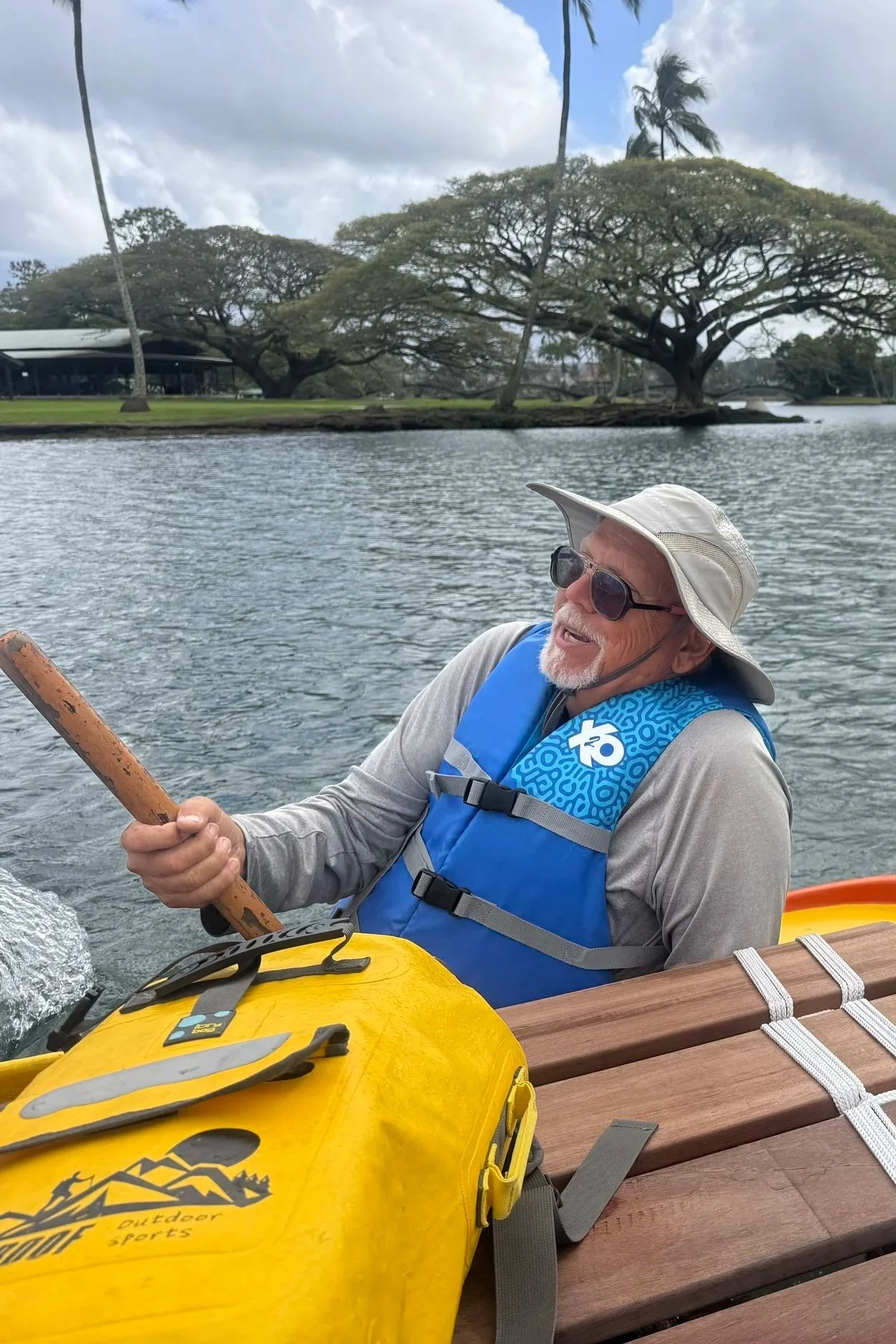
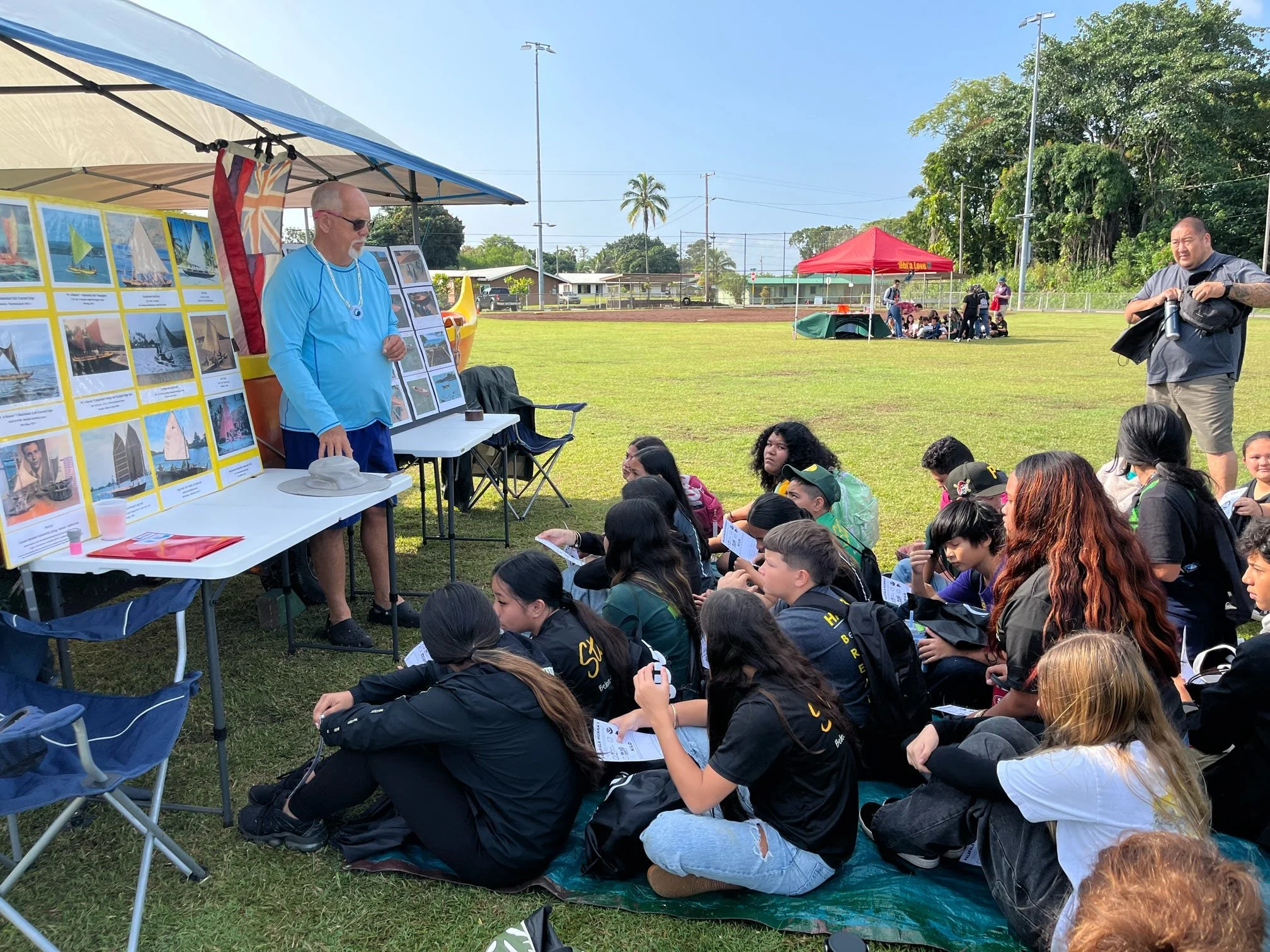
Some people wait to be asked, by the time someone asks who can swim out to bring in the waʻa, Kapena Kiko is already halfway there. That quiet willingness to serve is a reflection of who he is—a teacher, captain, mentor, and community leader who never hesitates to lend a hand.
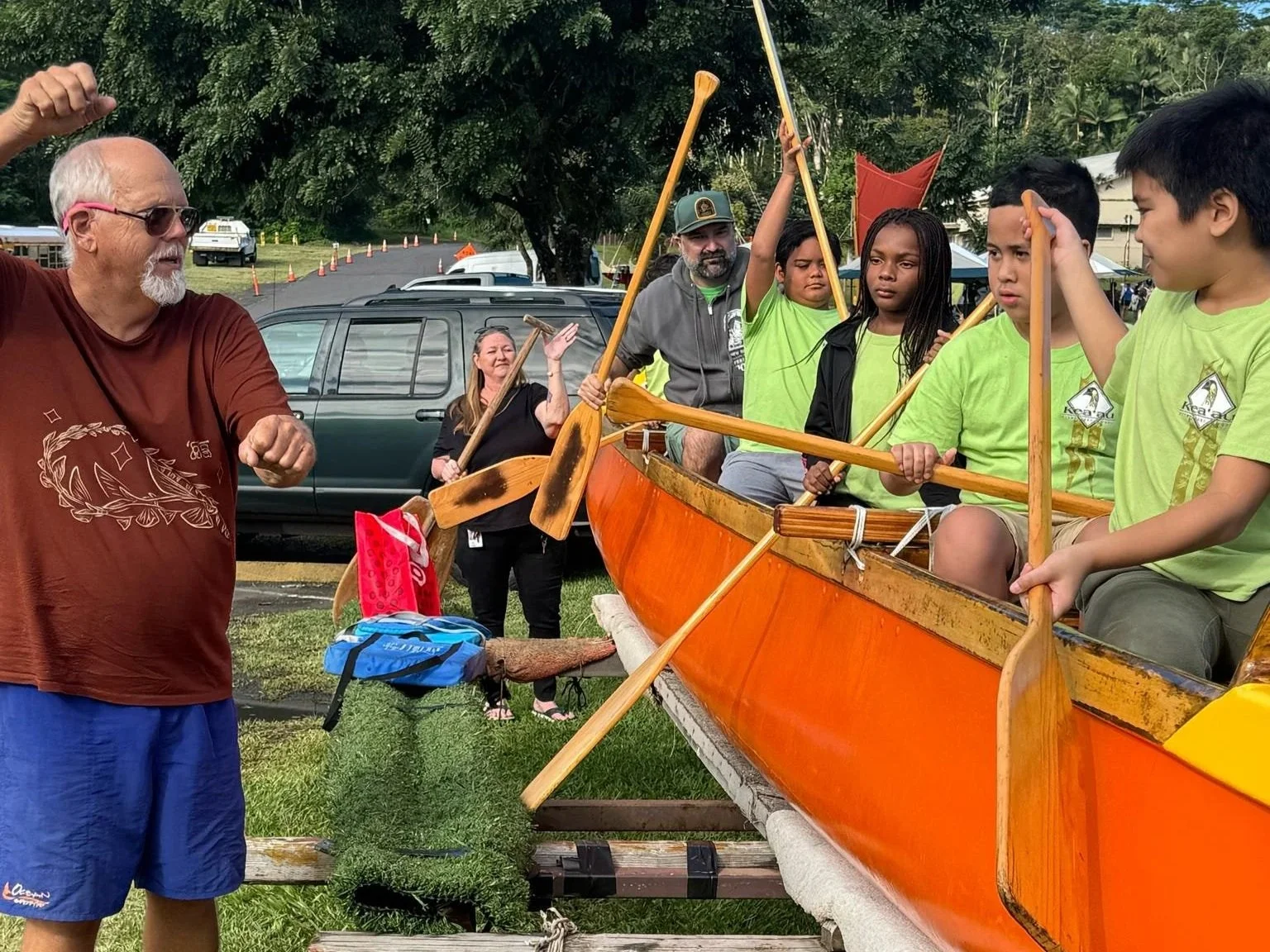
Returning as an alumnus to Hilo Intermediate School, Kapena Kiko made it a point to say "yes" whenever students had the opportunity to experience the waʻa, ensuring that each new generation could connect with the traditions that shaped him. Whether in the classroom or on Hilo Bay, he shares the history, practice, and values of waʻa voyaging. Students step aboard a waʻa kaulua—Hawaiʻi’s traditional double-hulled canoe—and learn not only how it is built and sailed, but also the moʻolelo, ʻike, and responsibility that have guided generations of navigators. As a descendant of third-generation canoe builder Kenneth "Bones" Johnston, he continues his family's legacy by passing this knowledge forward with humility and aloha.
One of Kapena Kiko's proudest voyages was serving aboard the Golden Rule, the peace vessel inspired by the Phoenix of Hiroshima. Working alongside Veterans For Peace and community members in the Marshall Islands affected by nuclear testing, he helped carry a message of peace, healing, and nuclear disarmament throughout the Pacific and beyond.
Whether paddling students across Hilo Bay or sailing across oceans, Kapena Kiko reminds us that a waʻa is far more than a vessel—it is a way of serving others. His generosity, leadership, and commitment to sharing ʻike Hawaiʻi continue to inspire the students of Hilo Intermediate's Mahope Program and everyone fortunate enough to learn beside him.
Mahalo, Kapena Kiko, for always saying "yes," for leading by example, and for helping our students discover that the greatest journeys begin with service.
Growing Our Connections
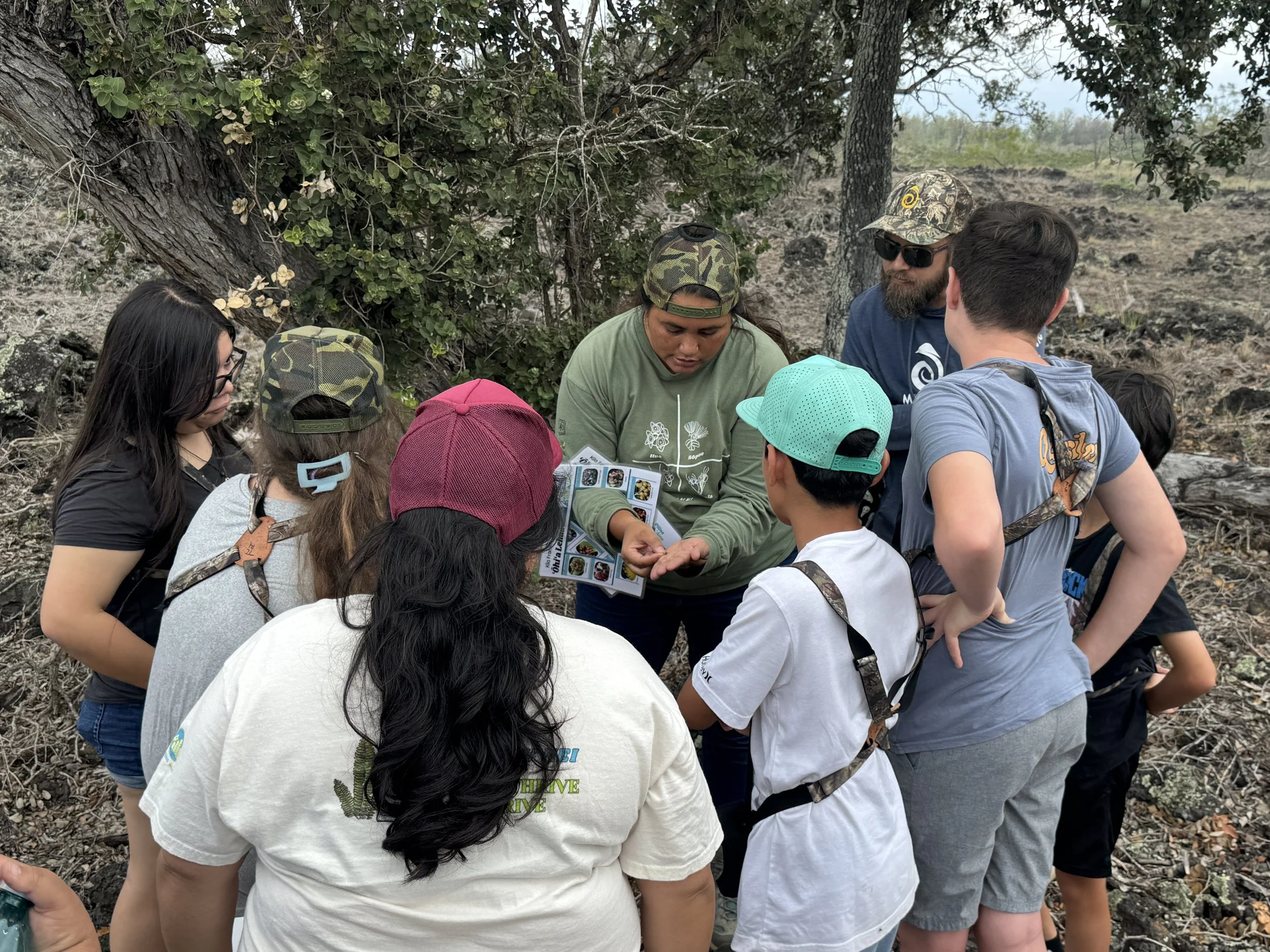
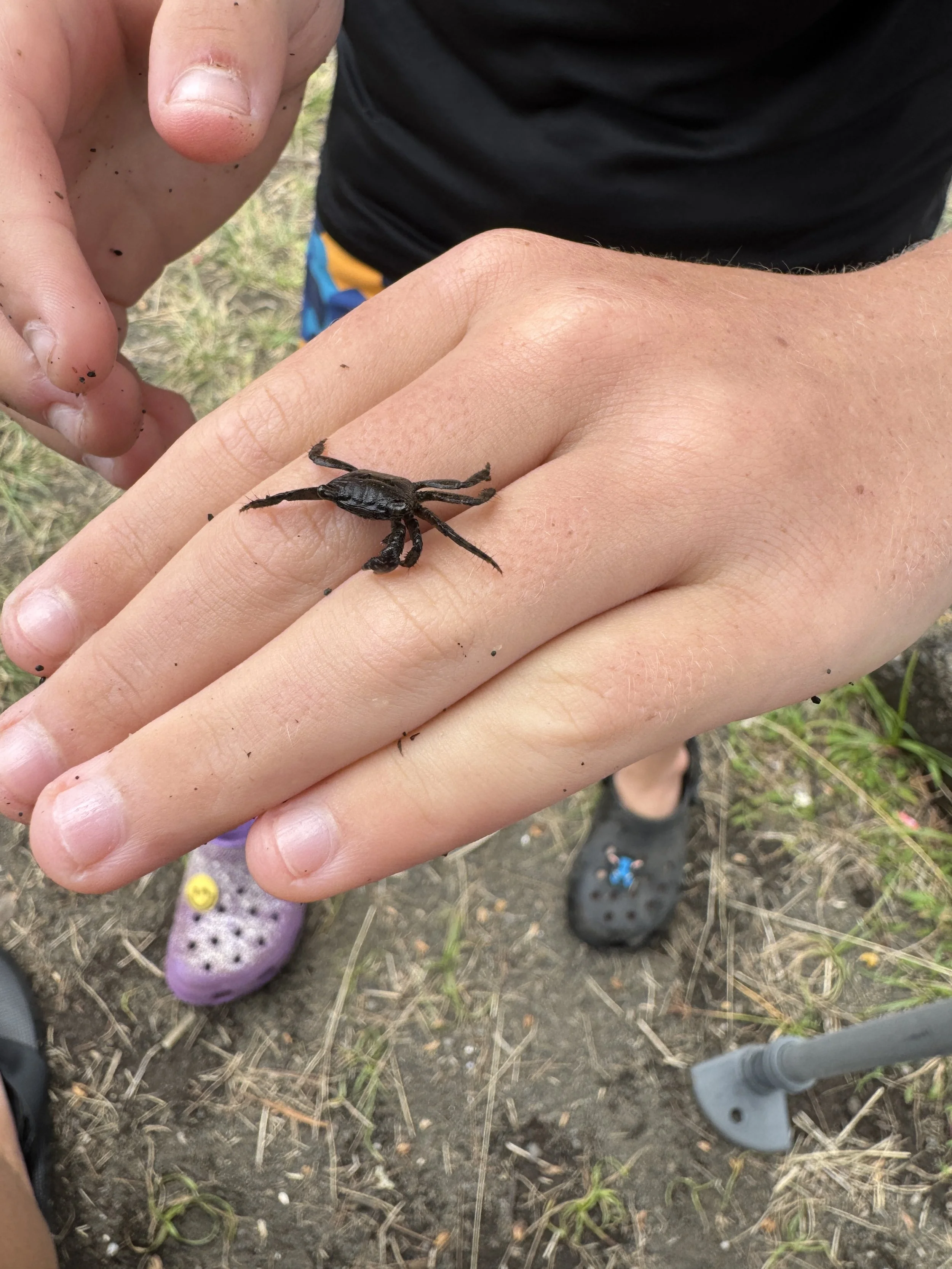
In April, Mālama ʻĀina Foundation partnered with Pilina ʻĀina to host Waikōloa Middle School at Puʻuwaʻawaʻa Dry Forest Reserve. This off-site experience gave students an opportunity to learn directly from the ʻāina while exploring the cultural and ecological importance of Hawaiʻi’s dryland forests.
In June, we welcomed Kohala Middle School to Kahikina Learning Center (KLC) for a day of place-based learning focused on the ʻōhiʻa lehua tree. Charlotte Romo, a Rapid ʻŌhiʻa Death specialist from UH Hilo shared information about the disease and ways students can help protect Hawaiʻi’s native forests. Cheyenne Perry of the Mauna Kea Watershed Alliance shared moʻolelo connected to the wahi of Laupāhoehoe, and our KKE Specialist Kawehi Kammerer led activities highlighting the cultural and ecological importance of ʻōhiʻa lehua.
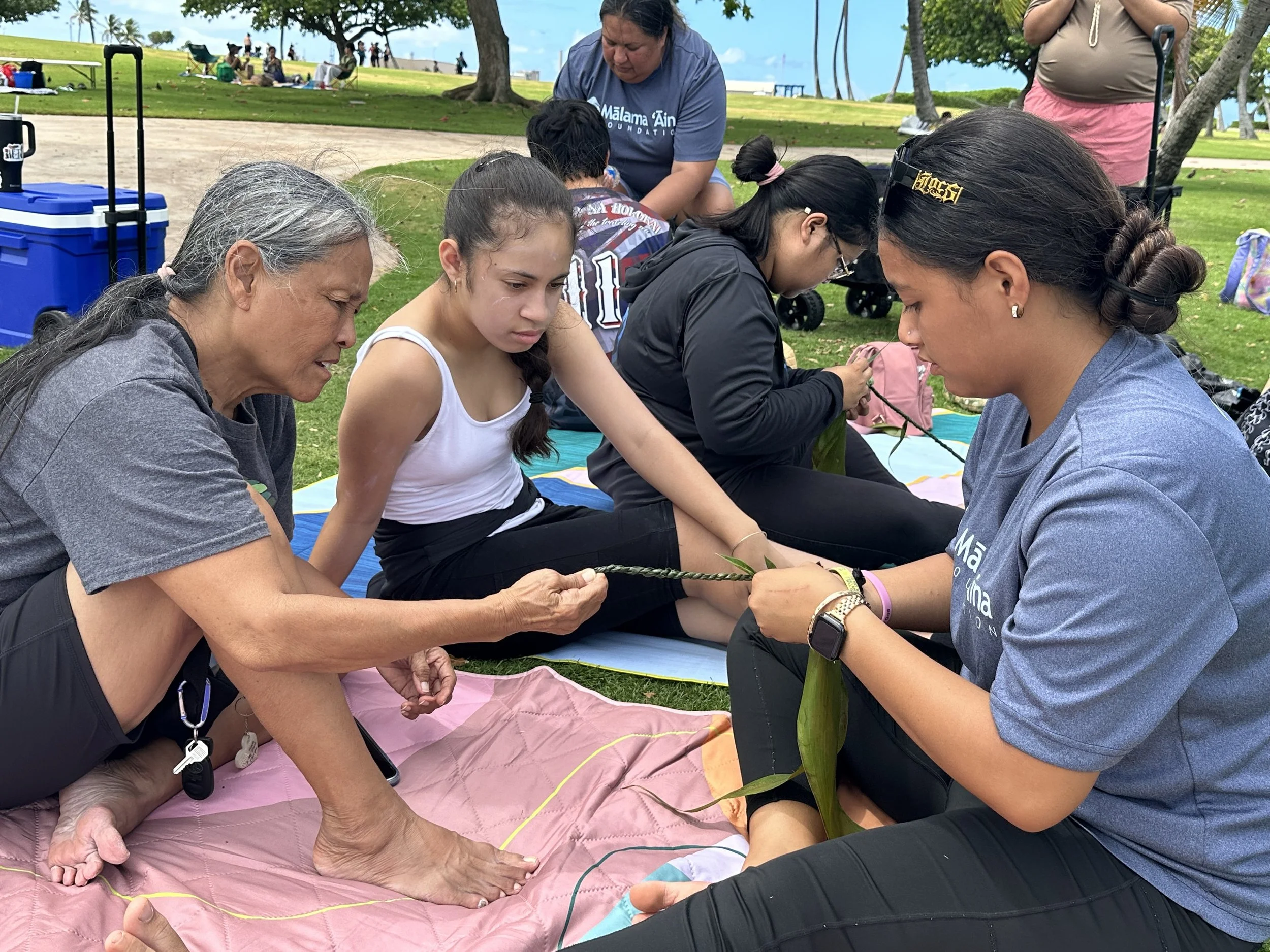
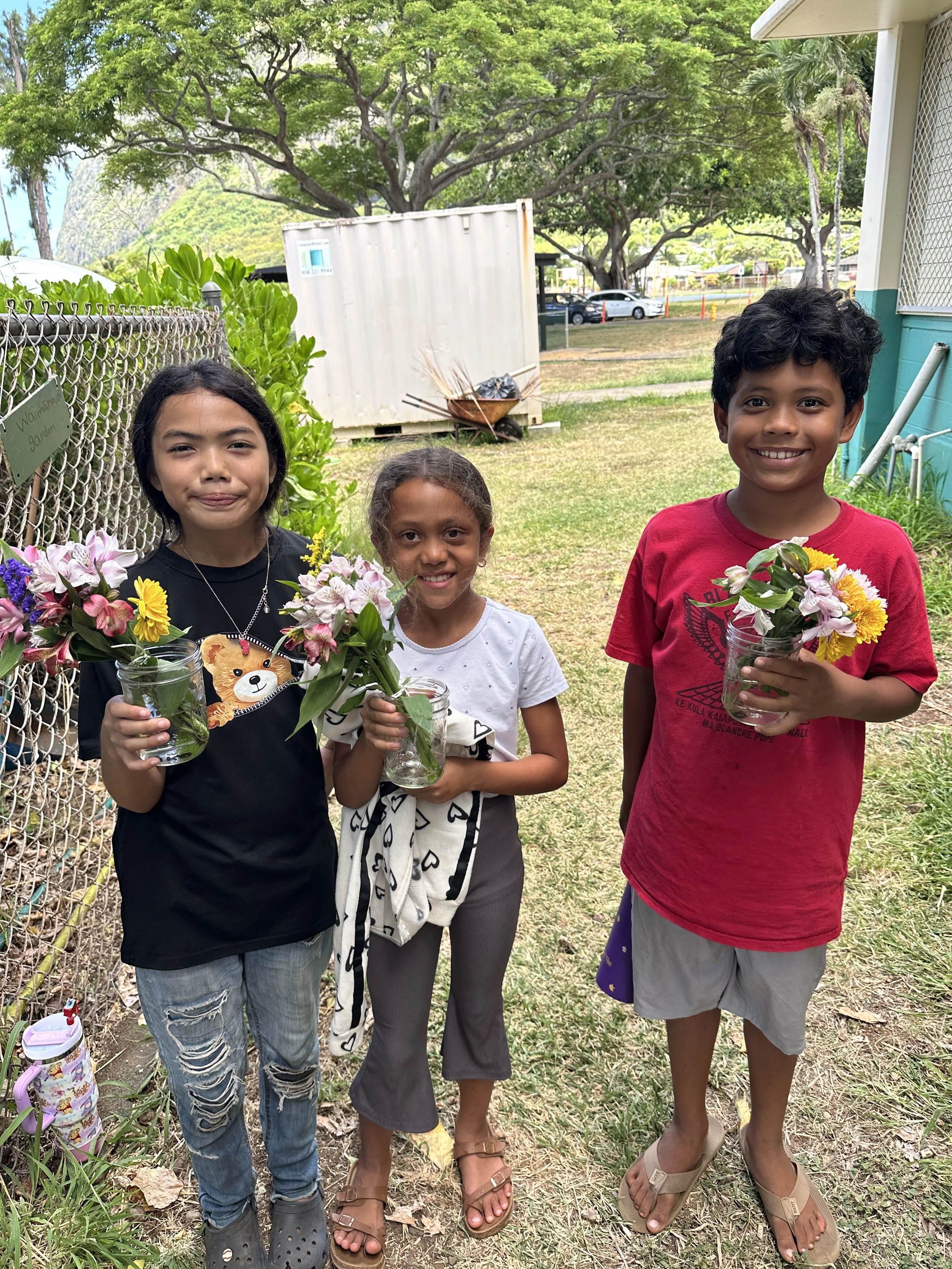
On Oʻahu, Blanche Pope and Kamaile Public Charter School’s summer program engaged students in hands-on cultural and ʻāina-based activities, including lei making and gardening. Through these experiences, students practiced creativity, strengthened their connection to the ʻāina, and learned the importance of caring for the plants and resources that sustain their community.
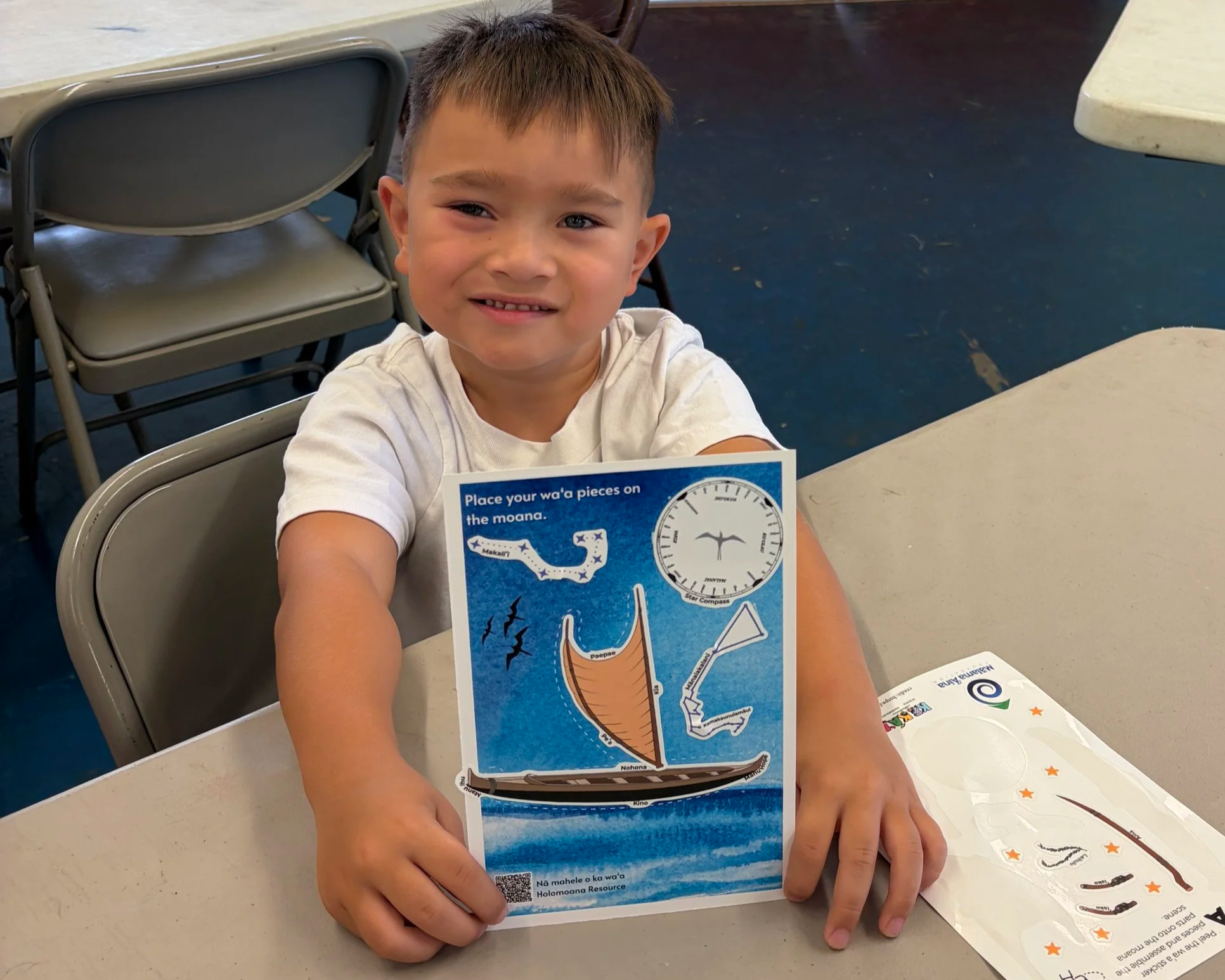
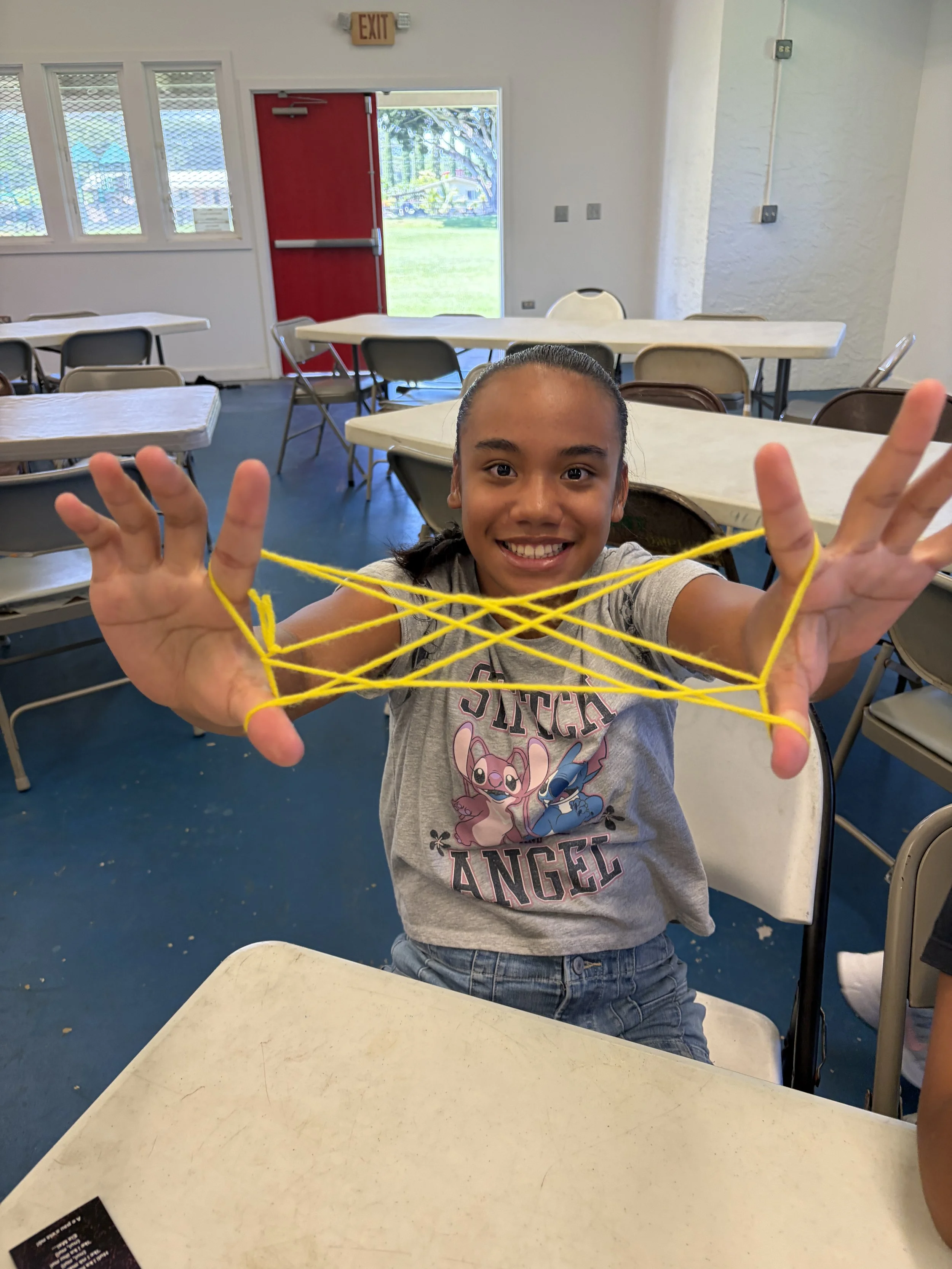
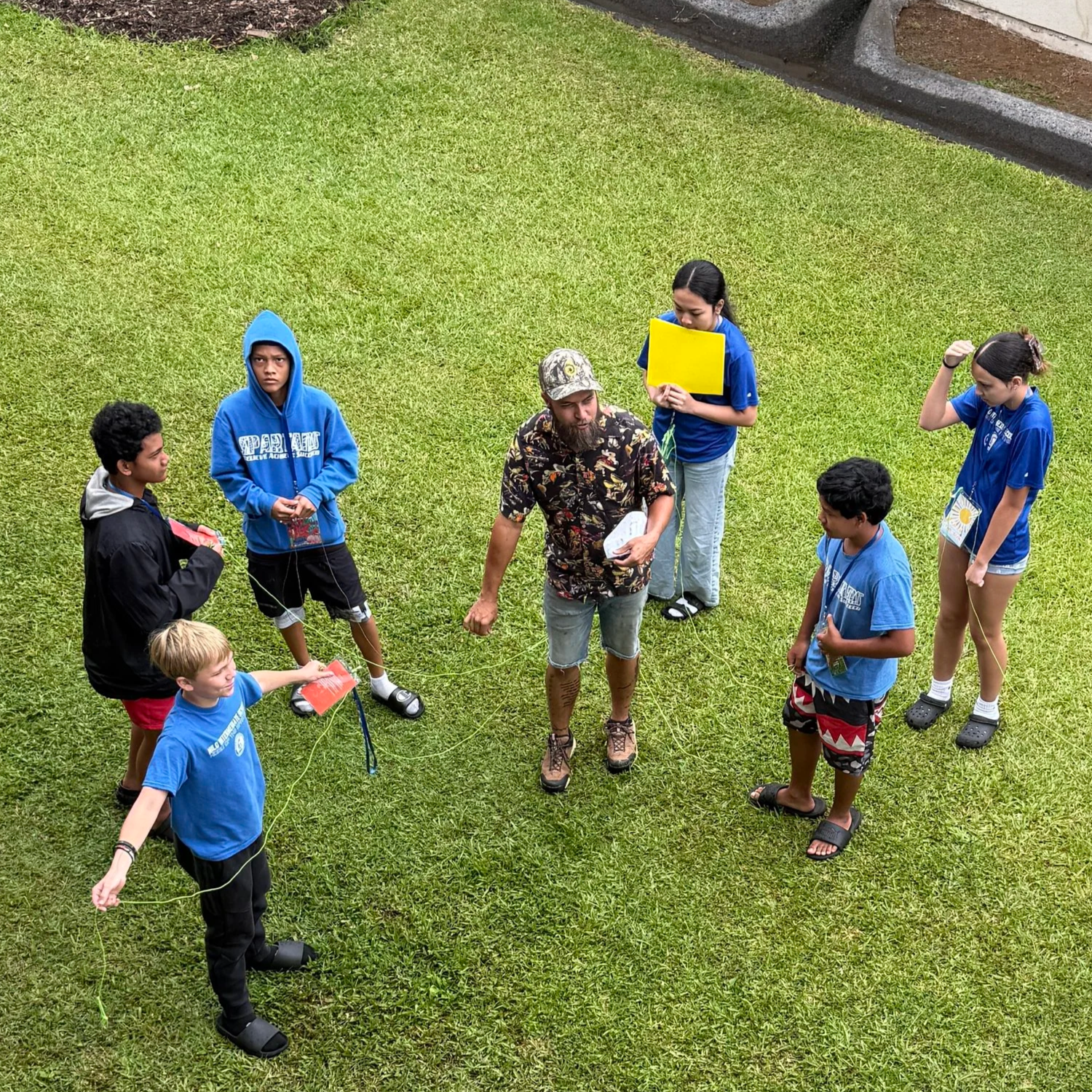
Summer outreach continued through the County of Hawaiʻi’s ʻIke Pono Summer Program, where Outreach Coordinator Kalae Silva assisted Matt Dill, the Recreational Director at Paʻauilo, in providing hands-on learning experiences rooted in Hawaiian culture, place, and traditional knowledge. Kawehi also visited programs in Panaʻewa and at the YMCA, sharing ʻāina-based lessons from our Wayfinding Kit that highlighted the Makaliʻi star cluster, along with hei, a traditional kaula activity that encourages storytelling, observation, coordination, and connection.
In-Class Curriculum: Waʻa, Food Webs, and Reciprocity
Our Education Specialists, Topher and Leala, delivered in-class curriculum that invited haumāna to explore the waʻa as more than a vessel—it is also a model of community, balance, and shared responsibility. Through He waʻa he moku, he moku he waʻa—the canoe is an island, and the island is a canoe—students learned that every person aboard has an important role in sustaining the whole.
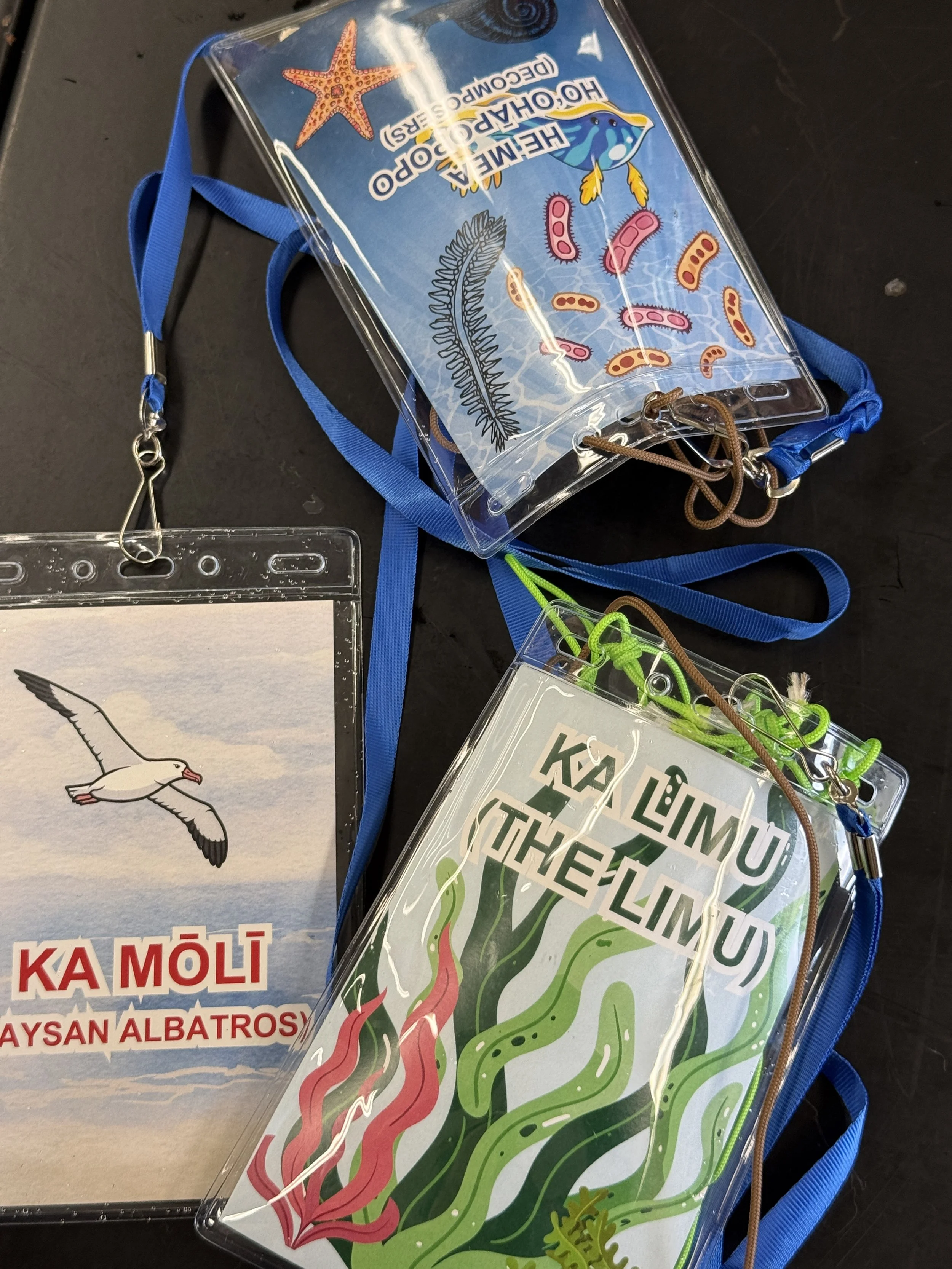
Students then explored the biotic and abiotic parts of Hawaiʻi’s ecosystems and traced the flow of energy through marine food webs. Hands-on activities helped them identify the relationships among the lā, wai, limu, iʻa, kānaka, and other parts of the environment, recognizing that even elements that are not living are essential to supporting life.
By connecting food webs to the lessons of the waʻa, Topher and Leala encouraged haumāna to think about reciprocity and their own kuleana within these interconnected systems. Just as a waʻa depends on every crew member working together, healthy ecosystems depend on relationships of balance, care, and responsibility. When we mālama the natural systems that nourish us, we help ensure they can continue to sustain future generations.
Students Become the Kumu
‘Ohana Night, Spring 2026
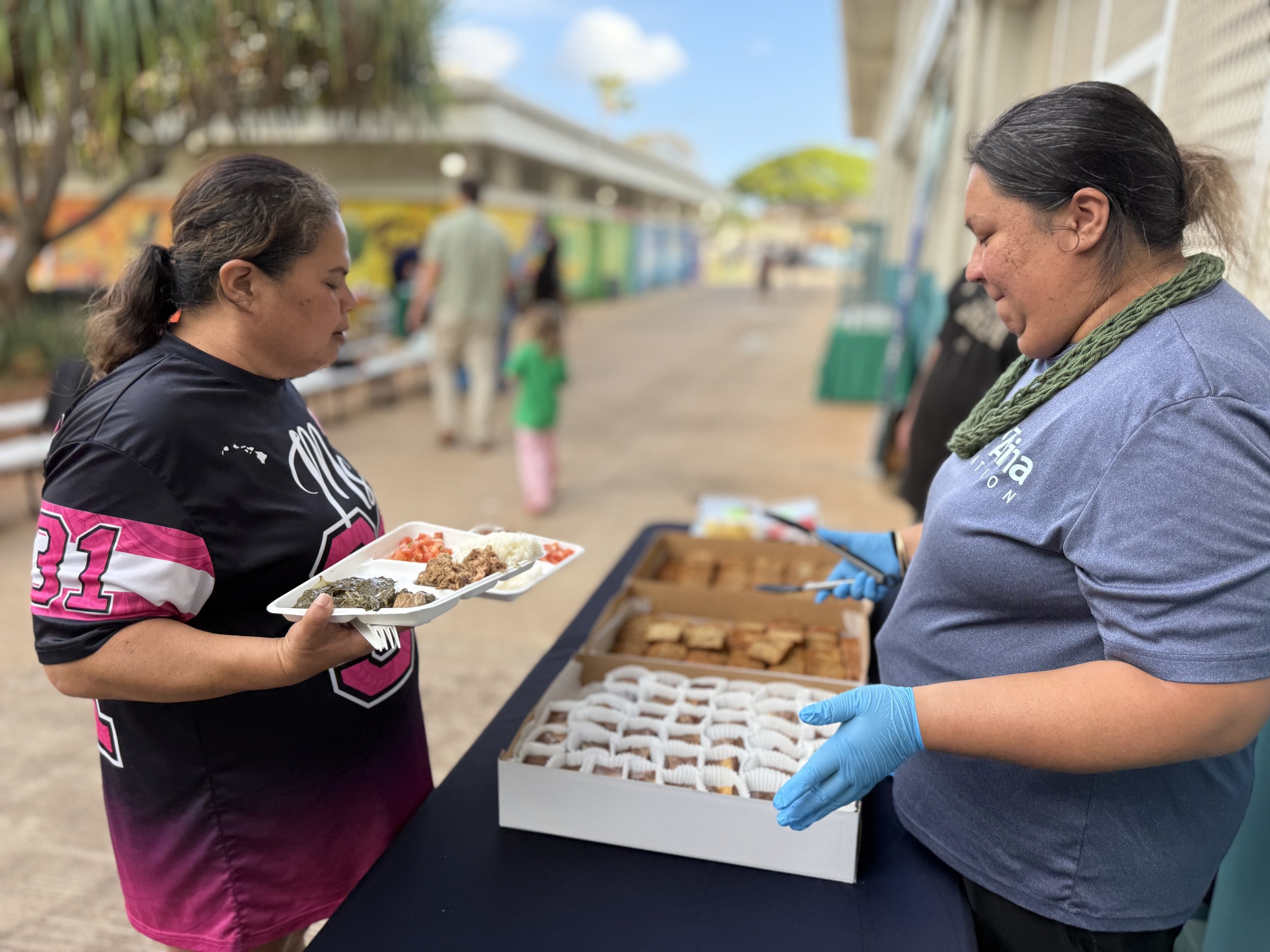
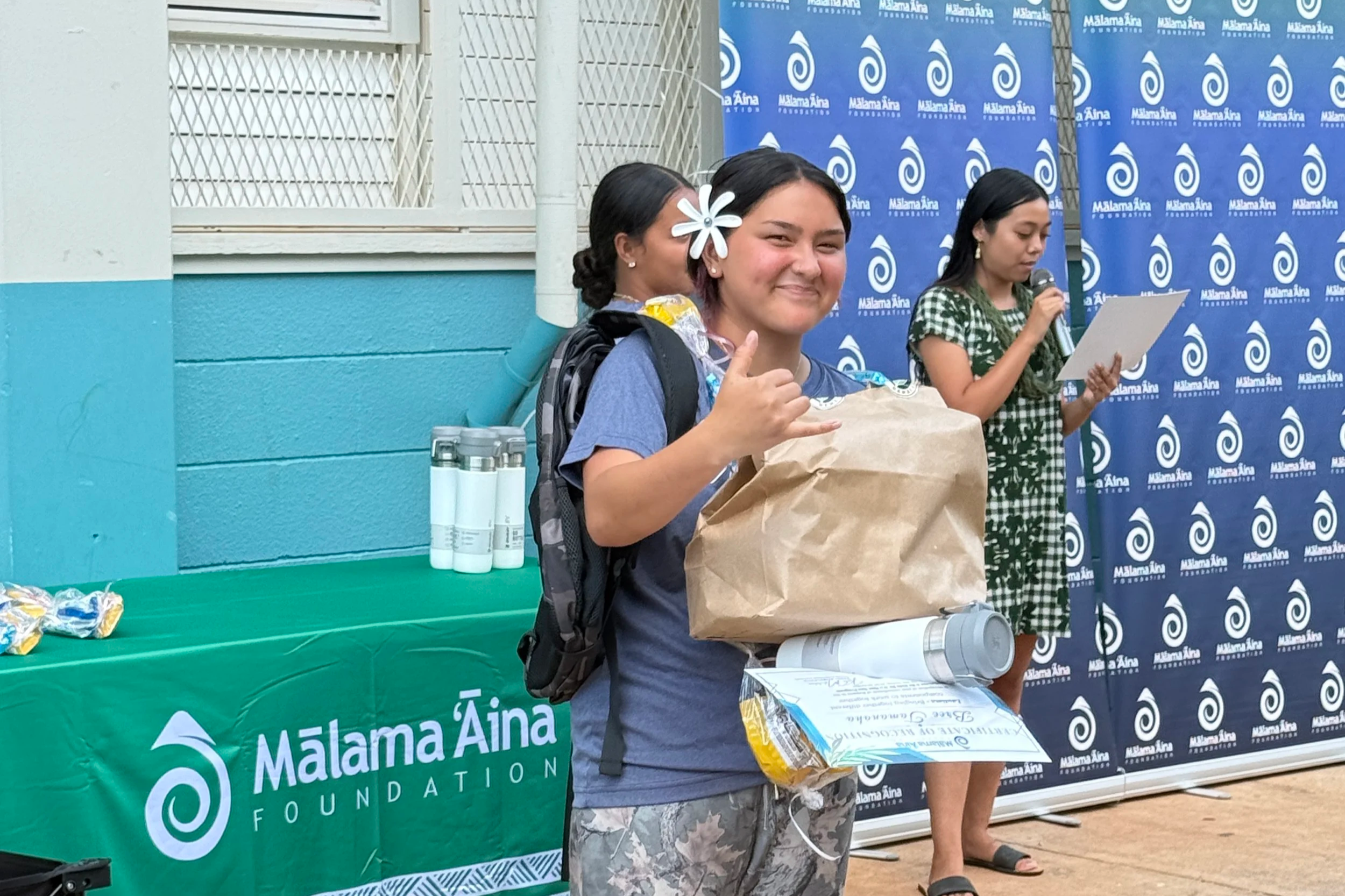
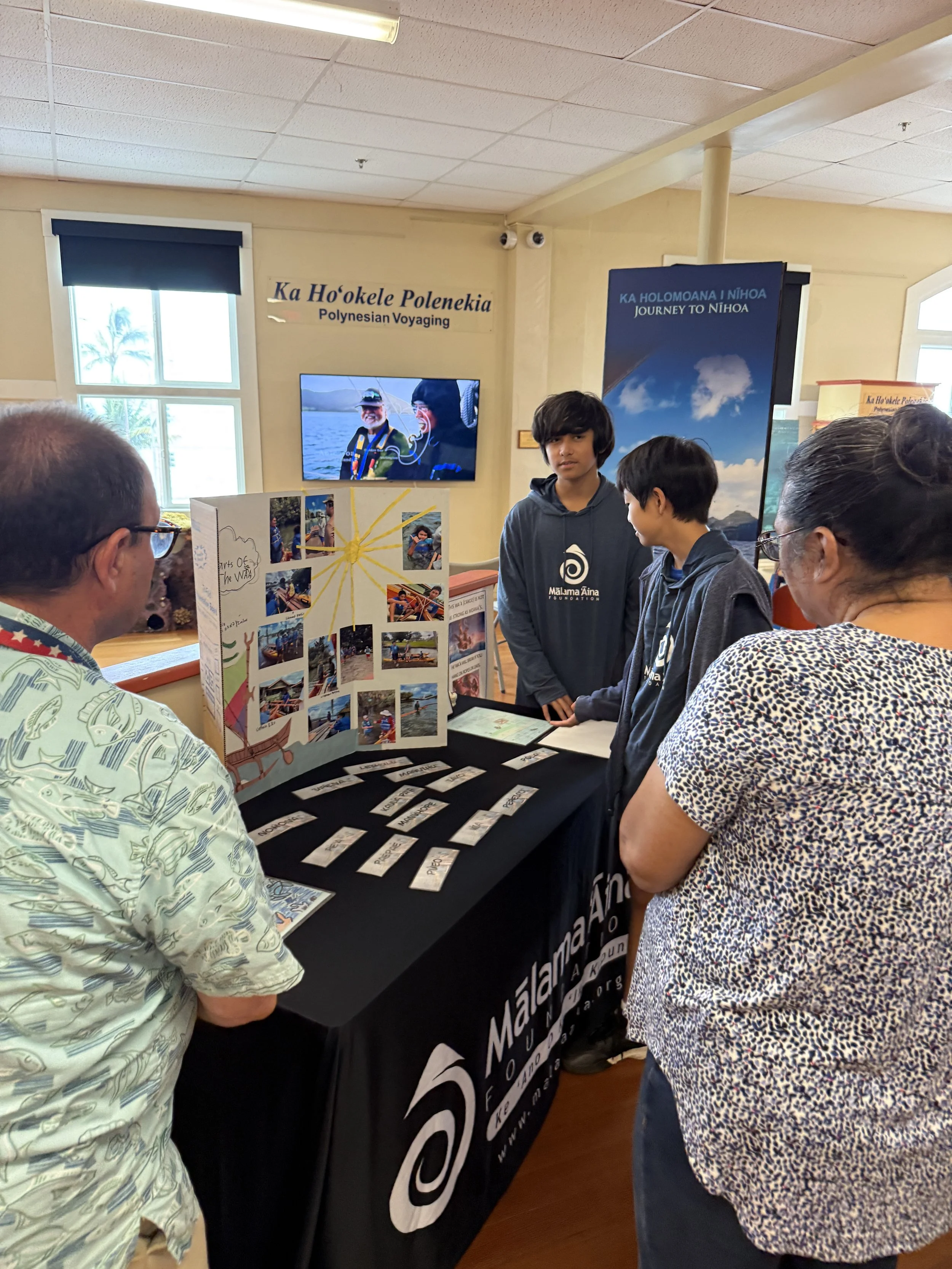
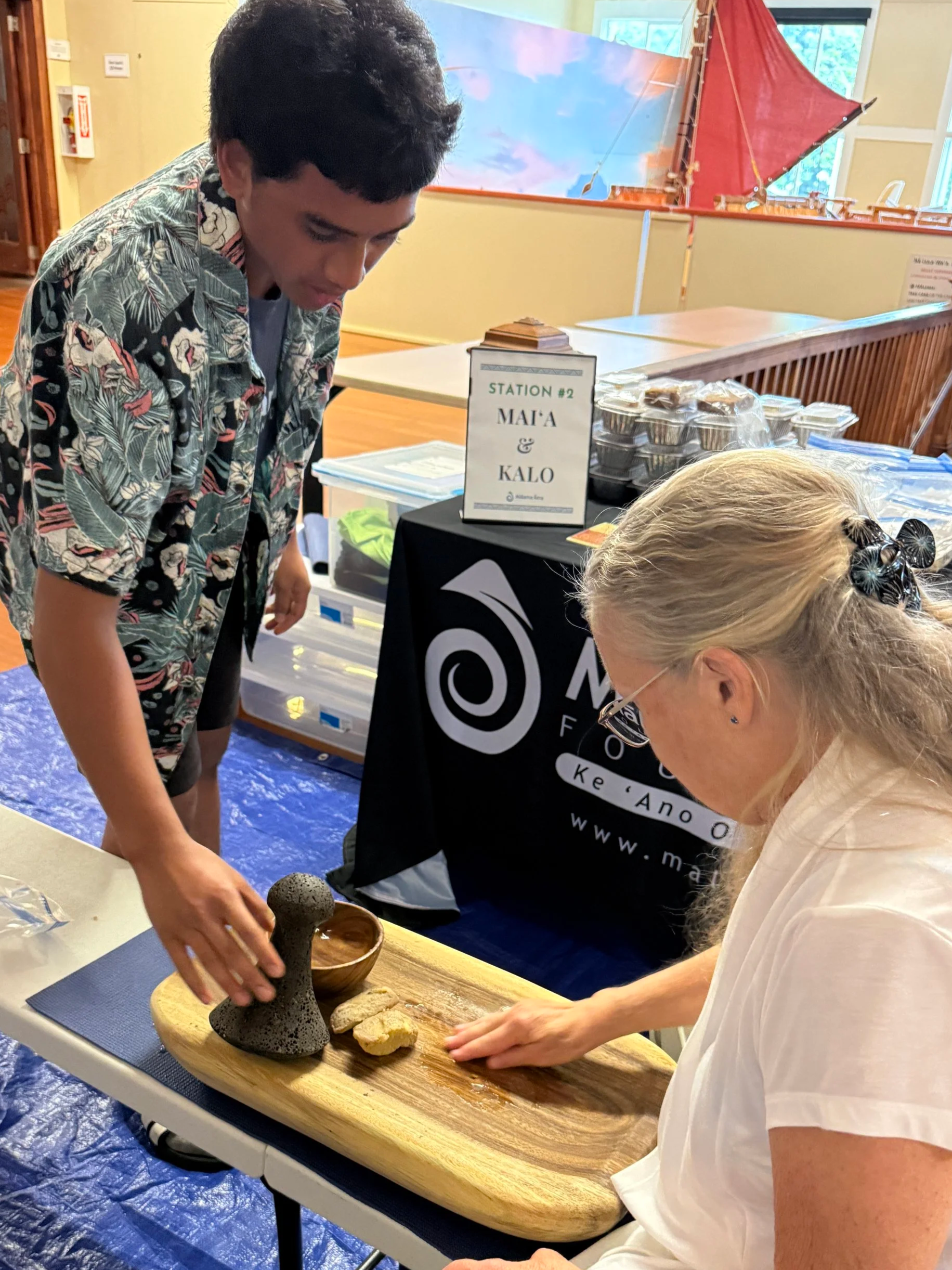
Each semester, Mahope ʻOhana Night provides haumāna with the opportunity to share their learning with ʻohana, educators, and community partners. During Quarter 2, students from our Hilo and Waiʻanae sites celebrated the culmination of Semester 2 by leading interactive experiences that reflected months of place-based, culture-centered learning. More than a showcase of projects, ʻOhana Night highlights the confidence, leadership, and growth that develop when students become teachers and share their ʻike with their community.
This semester, students brought their learning to life through interactive stations focused on waʻa, spring intercession, kalo and maiʻa, and the moʻolelo of Hinaikeahi and Hinakuluʻua. Guests participated in buoyancy testing, kuʻi kalo, Cricut heat-transfer activity, and learned about the imu in relation to the Hinakulu’ua and Hinaikeahi mo’olelo. Hula performances by haumāna and peer mentors, along with the spirit of hoʻokipa shown through welcoming and serving ʻohana, reflected how learning is strengthened through culture, community, and meaningful relationships beyond the classroom.
As we concluded the 2025–2026 school year, we celebrate the accomplishments of every Mahope haumāna and extend our heartfelt congratulations to our graduating eighth-grade students as they begin their high school journey. Mahalo to the families, educators, mentors, and partners like Nā ‘Ōiwi Kane who continue to make these experiences possible.
We look forward to another year of learning, leadership, and community as we welcome the 2026–2027 school year.
Pū Paʻakai Kākou: Building Pilina at Kālaemanō
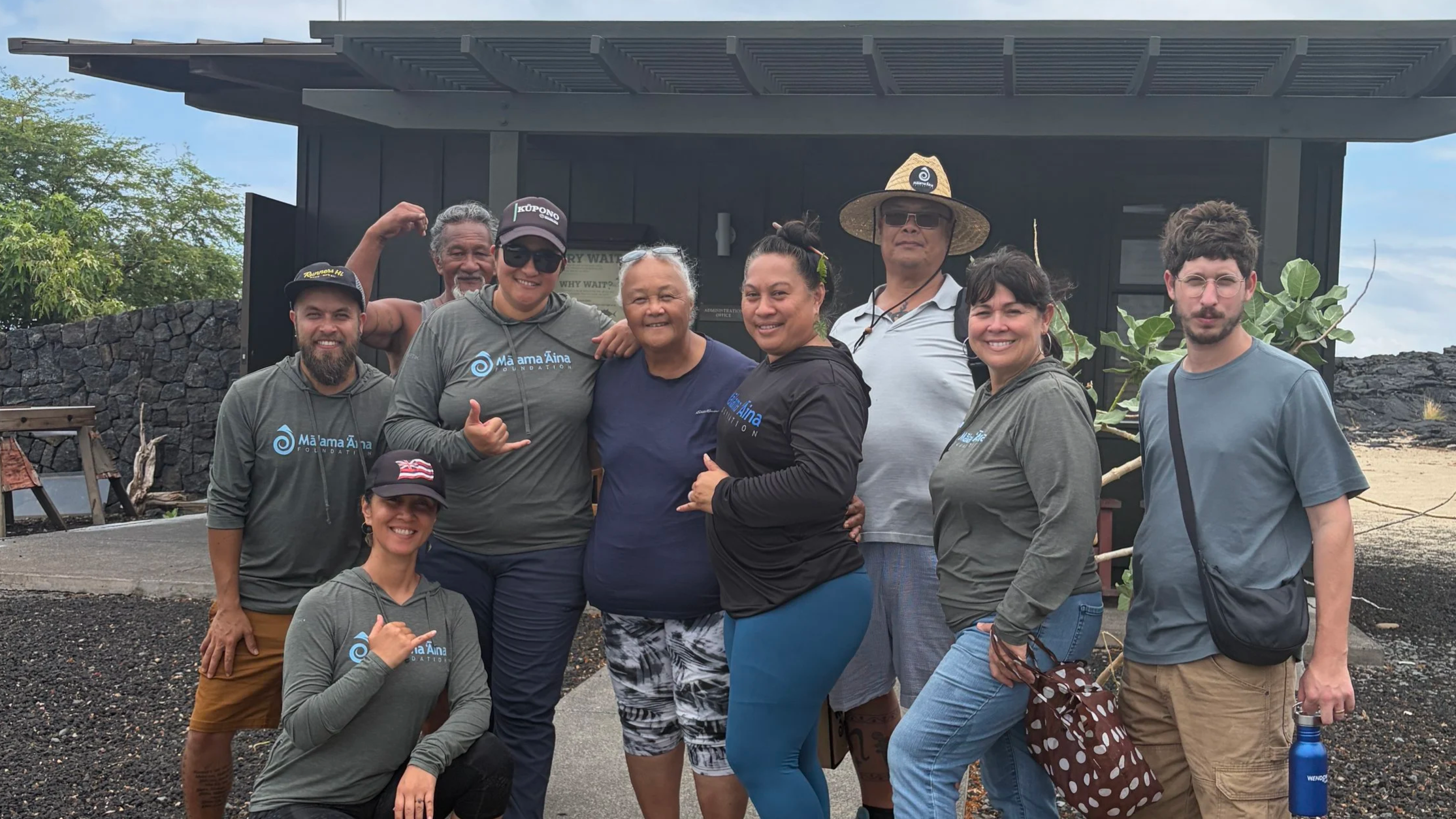
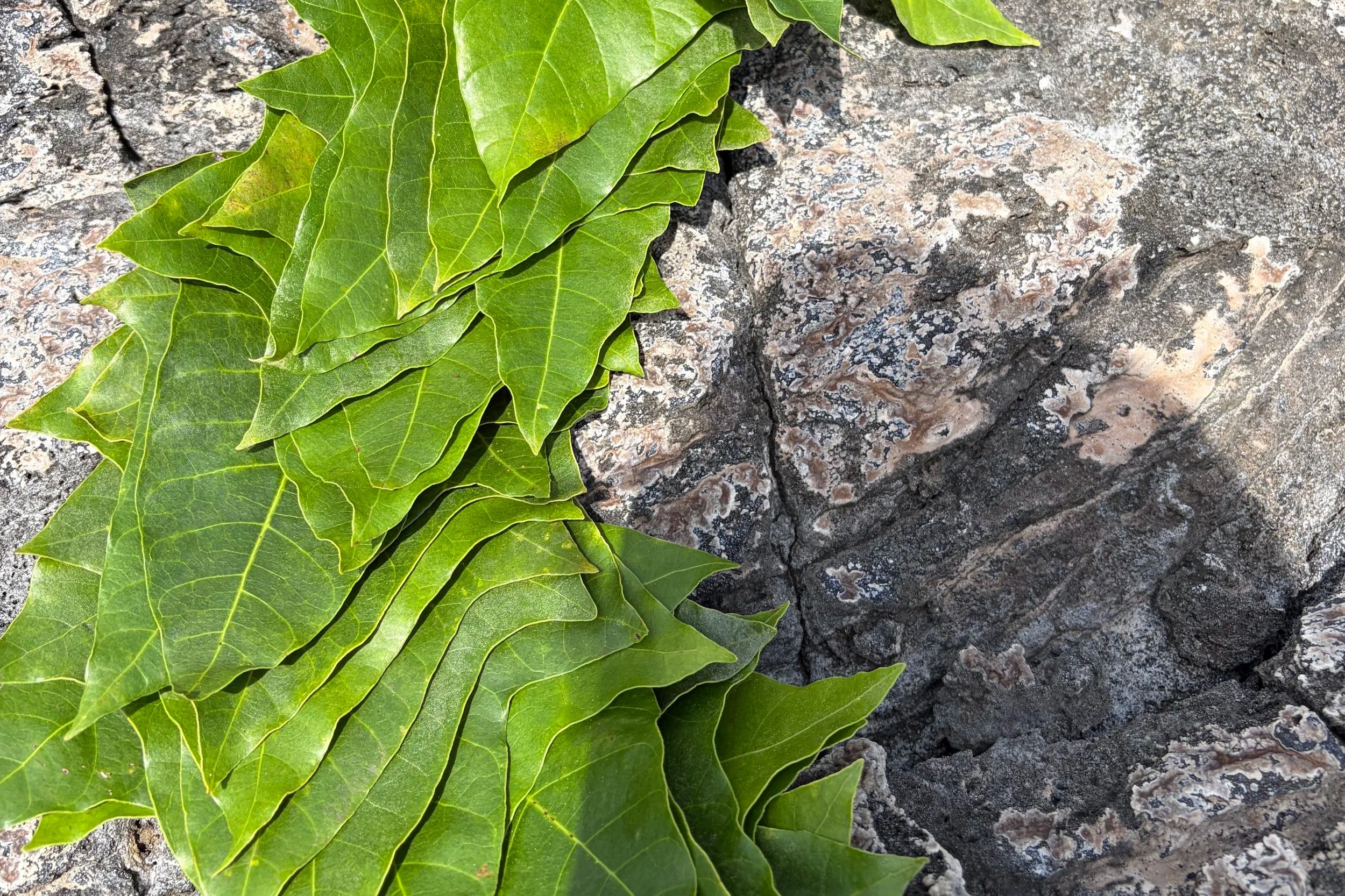
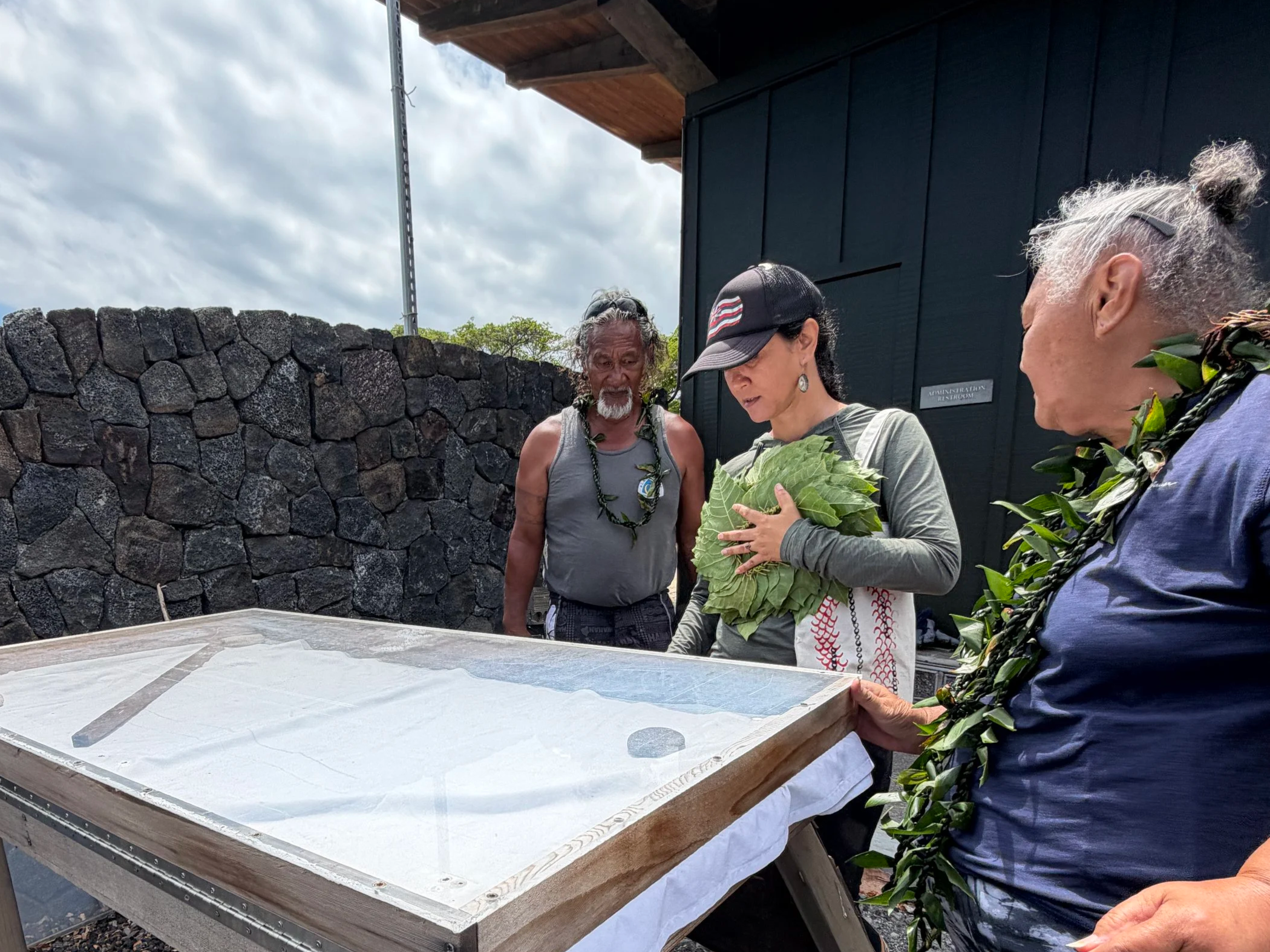
Our Hilo team traveled to Kālaemanō in Kaʻūpūlehu, Kona, for a professional development day centered on strengthening pilina with place and people. In preparation for entering the space, staff made lei and practiced oli together—an important reminder that learning intention, and readiness to receive ʻike.
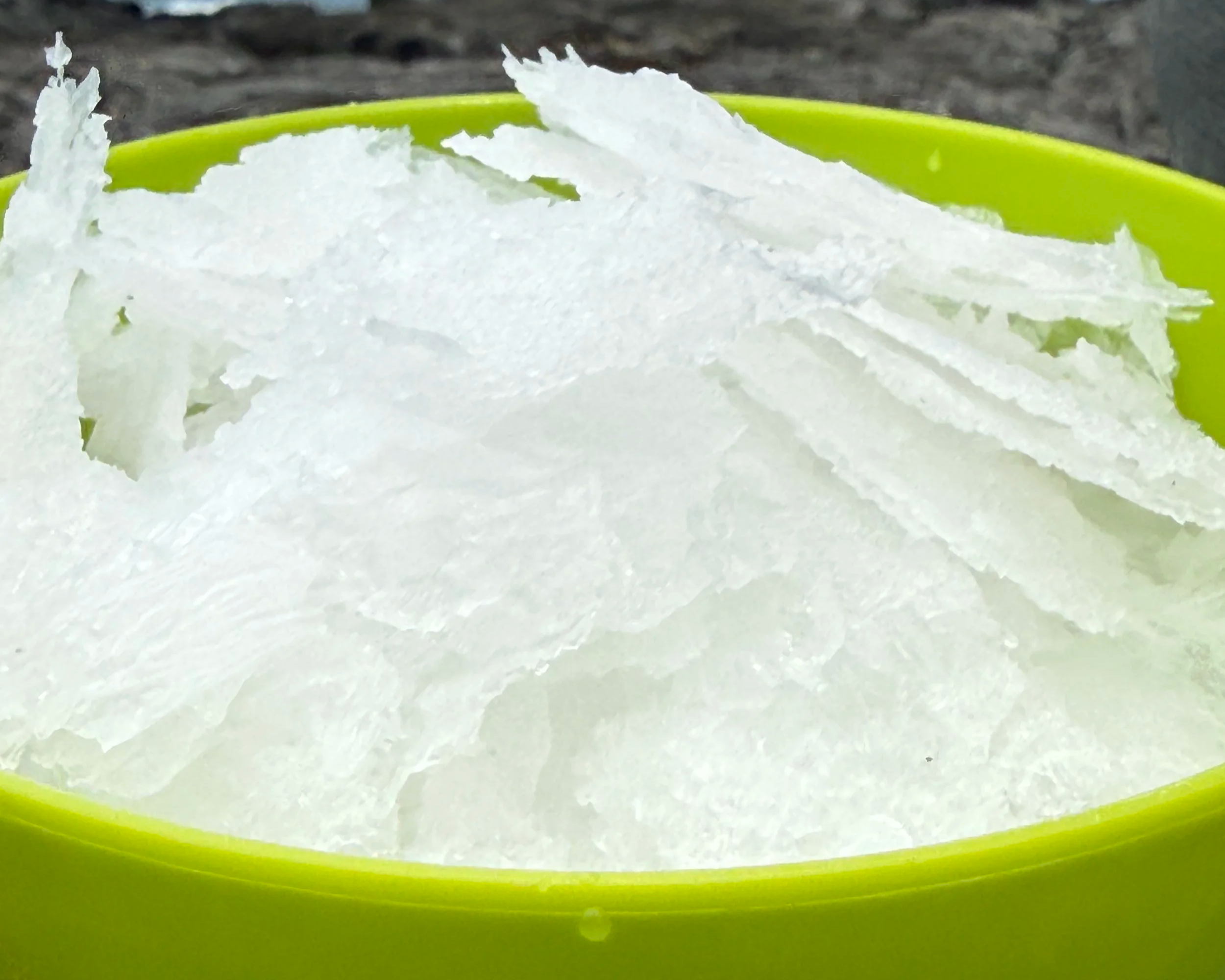
Andrew “‘Analu” Silva helped make the day possible through relationships formed through his work with the Ala Kahakai National Historic Trail and Puʻukoholā Heiau National Historic Site. Through ‘Analu, our team connected with Leināʻala Keakealani Lightner, affectionately known as Aunty Lei, who stewards the ʻāina at Kālaemanō. Under her guidance, we gathered paʻakai for our staff retreat at the end of July while learning about the importance of salt and the kuleana that accompanies its collection. Paʻakai is more than a seasoning—it has long supported food preservation, healing practices, ceremony, hospitality, and exchange. The manaʻo of Pū Paʻakai Kākou reflected the spirit of the day: gathering together through paʻakai while strengthening relationships with ʻāina and one another.
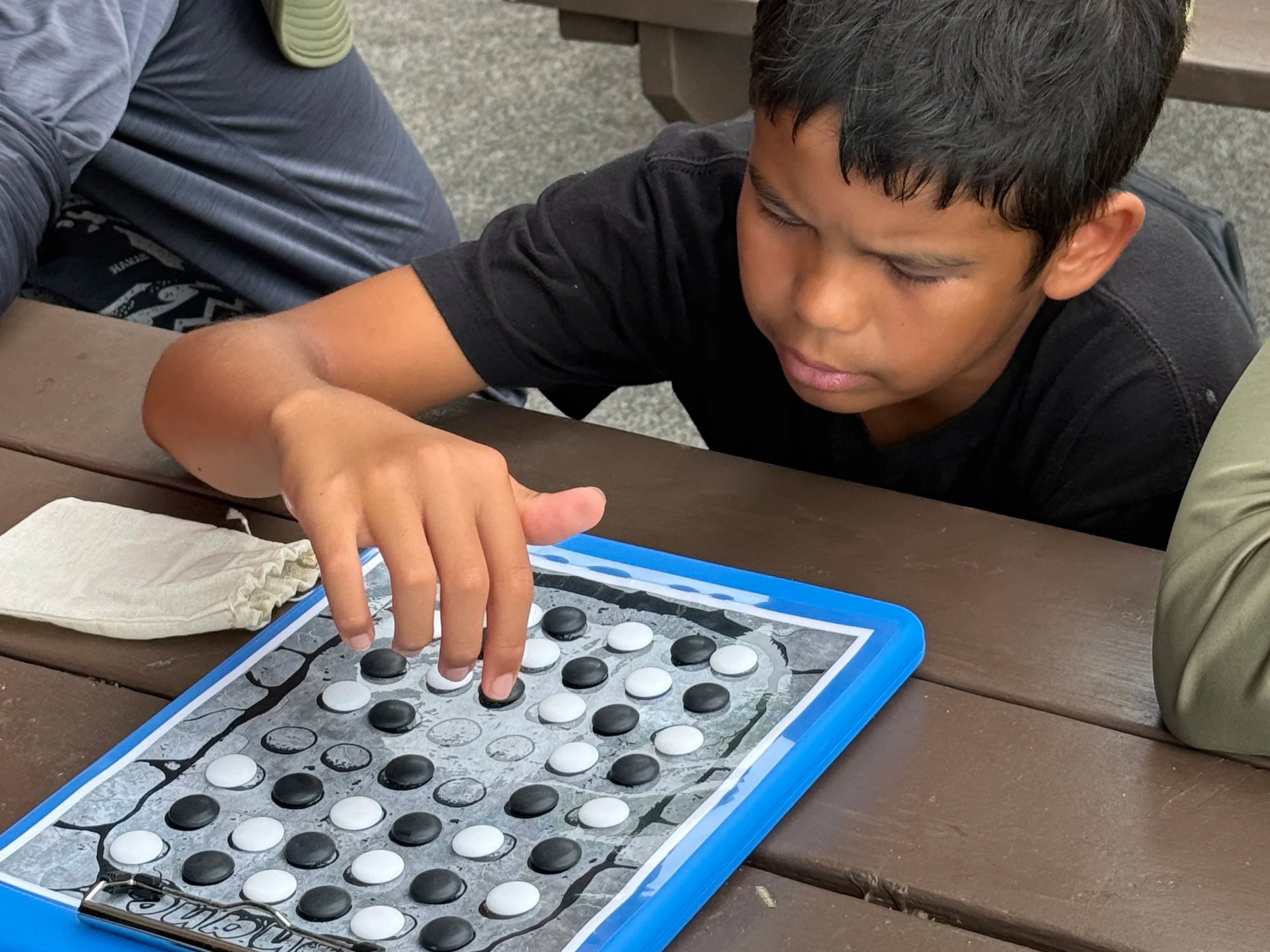
We were also fortunate to reconnect with students from Kohala Middle School. Our first gathering was at Kahikina Learning Center, where students learned about the ʻōhiʻa lehua tree. At Kālaemanō, we continued that relationship through our KKE program by sharing kōnane and kiʻi pōhaku activities. With kiʻi pōhaku found throughout the Kona–Kohala coast, the activities connected students with the history and cultural landscape of the region and helped prepared them for a future lesson with Mattan Motek, our Kohala facilitator. Together, the day demonstrated how meaningful learning grows through preparation, shared experiences, and relationships sustained across people and places.
Hoʻoulu Through ʻUlu
Our newsletter theme, Hoʻoulu: Growing Our Impact, reminds us that meaningful growth begins with care and extends outward to benefit others. The ʻulu tree beautifully represents this idea. When properly tended, one tree can provide food, useful materials, and new shoots that may grow into trees for future generations.
In the moʻolelo of Kū, ʻulu becomes a lasting source of nourishment during a time of great need. The story teaches us that the gifts of the ʻāina come with kuleana. When we care for what sustains us, protect it from harm, and share its abundance, growth becomes a reciprocal relationship between people, ʻāina, and community.
We invite you and your ʻohana to register and explore our new Pā’ani Kākou learning platform. Our first lesson is on the kumu ʻulu, where you learn about the parts of the tree, and the invasive beetles that may threaten ʻulu. Also available is a 3 page activity for you to print with a delicious ʻulu poke recipe for you to try and enjoy. By learning, observing, reporting pests, and sharing food, each of us can help mālama ʻulu and ensure that its gifts continue to nourish generations.